Engagement
Settle it for us. Cruiser or sportbike? Drop your pick and tell us why. #RideNationDFW #DFWRiders #TwoWheels
Giveaway & Countdown
Imagine rolling into spring on a brand new bike you did not pay a dime for. That is the BikersWin $20,000 giveaway, and it is 100 percent free to enter. Entry link in the comments. #RideNationDFW #BikersWin #20kGiveaway
Local DFW & Rides
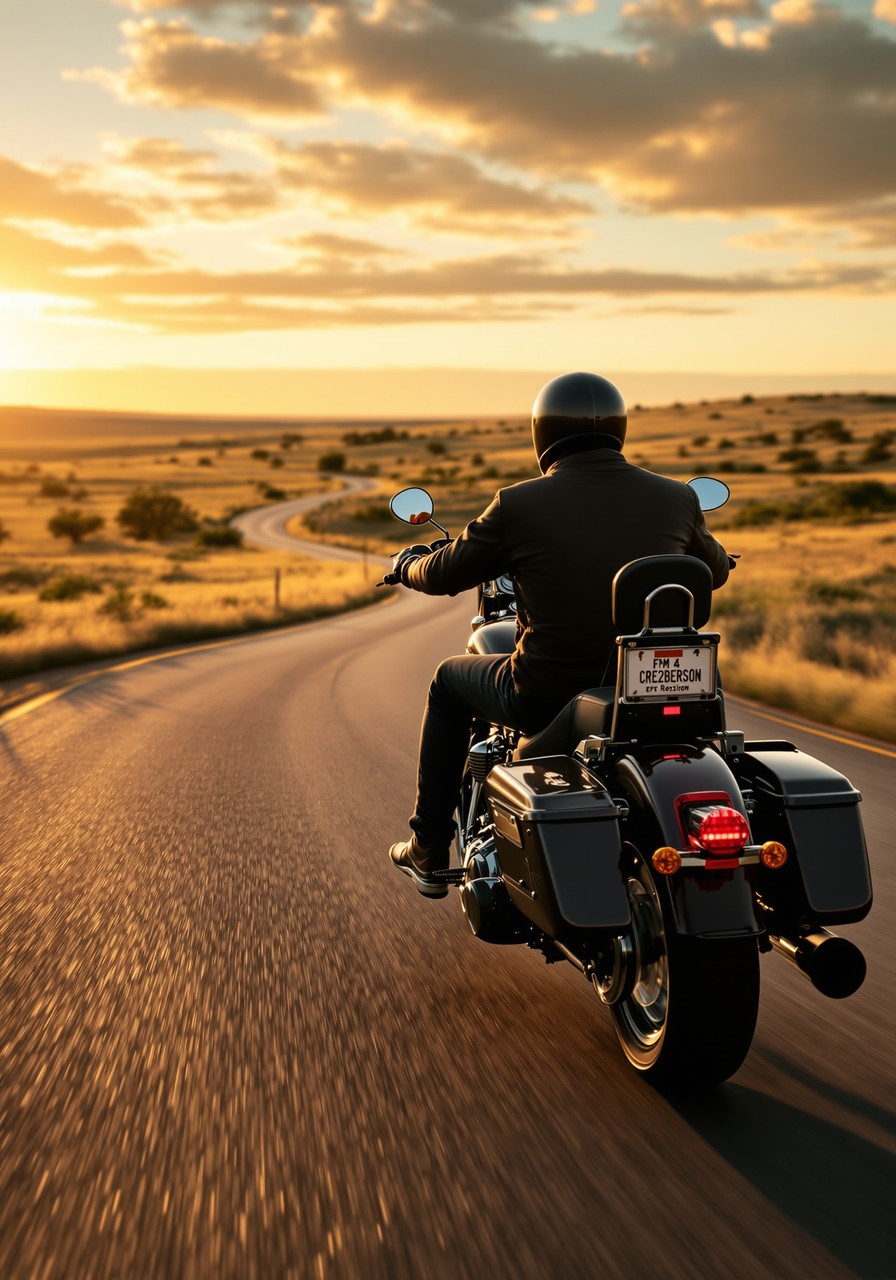
There is a stretch of FM 4 out past Cresson that every DFW rider should know. Smooth pavement, easy curves, almost no traffic. Point it south early and you get the whole road to yourself. #RideNationDFW #DFWRiders #MotorcycleRoads
Gear & New Iron
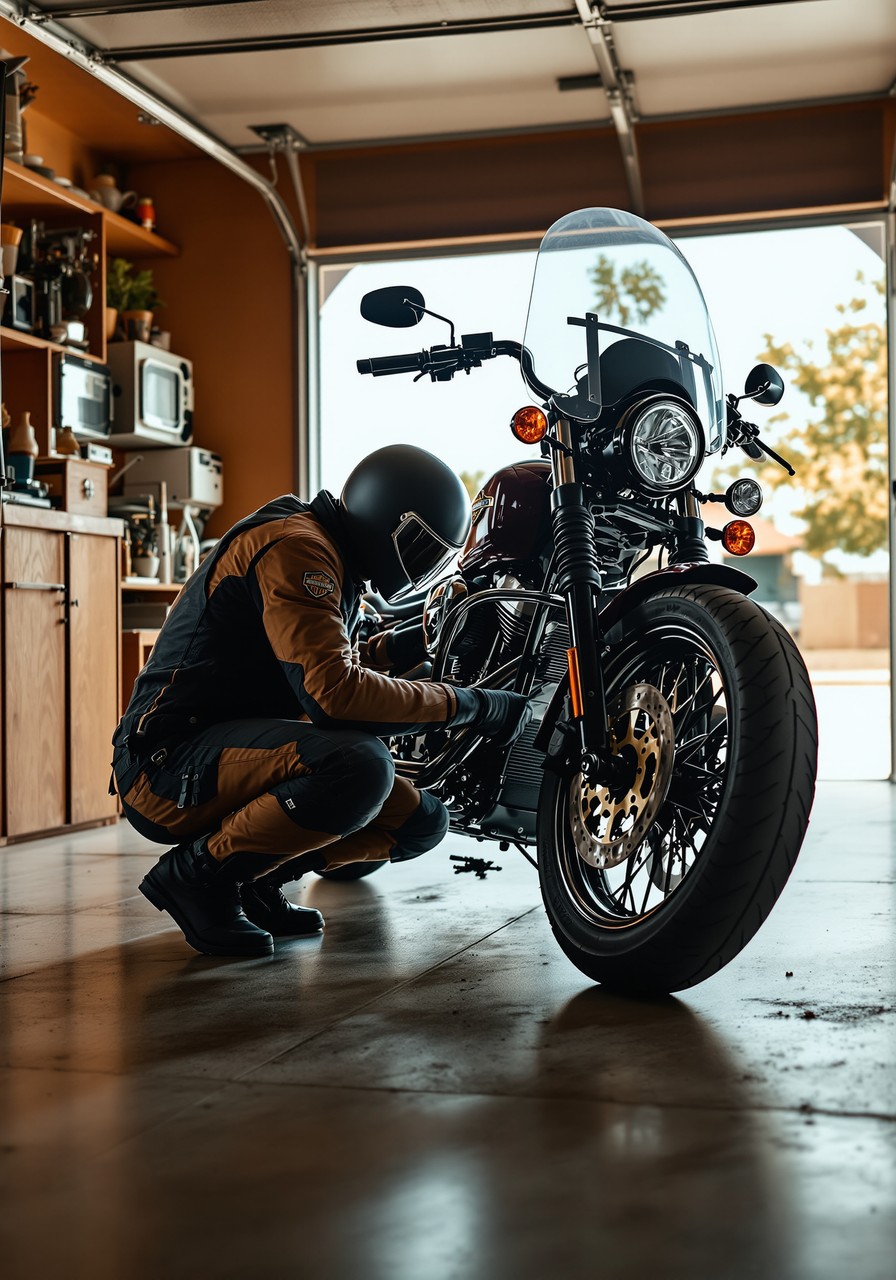
Your helmet is only rated if it is DOT certified. Look for the sticker on the back, not just a cool paint job. A novelty lid protects your hairstyle, not your skull. #RideNationDFW #GearUp #ATGATT
Safety & TX Law
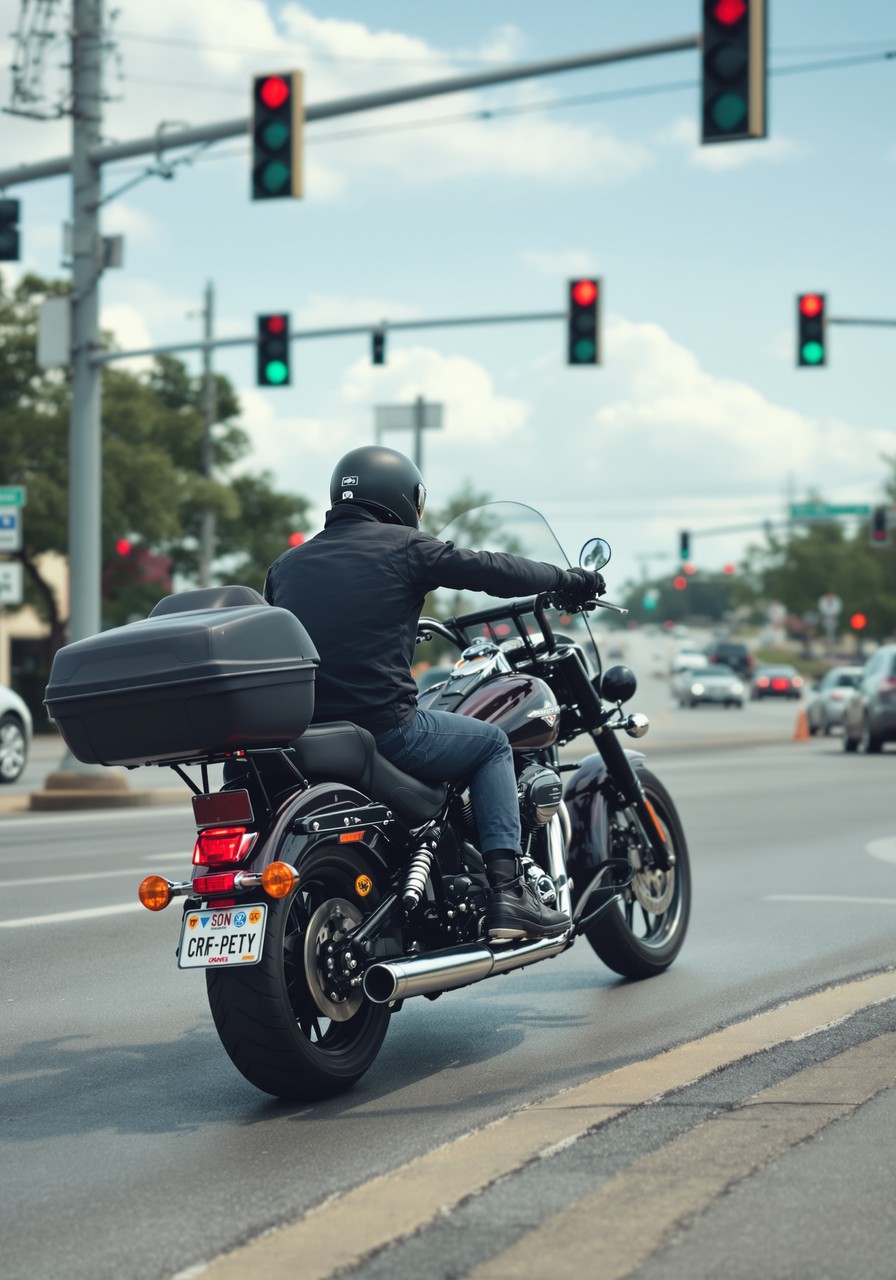
Texas only makes the other driver carry 30/60/25 in liability. One serious crash blows past that in a day, which is why UM/UIM is your real backstop. Questions after a wreck? Manuel Diaz and the Diaz Law Firm, no cost to talk. 214-800-2086. #RideNationDFW #TexasLaw #UninsuredMotorist
Engagement
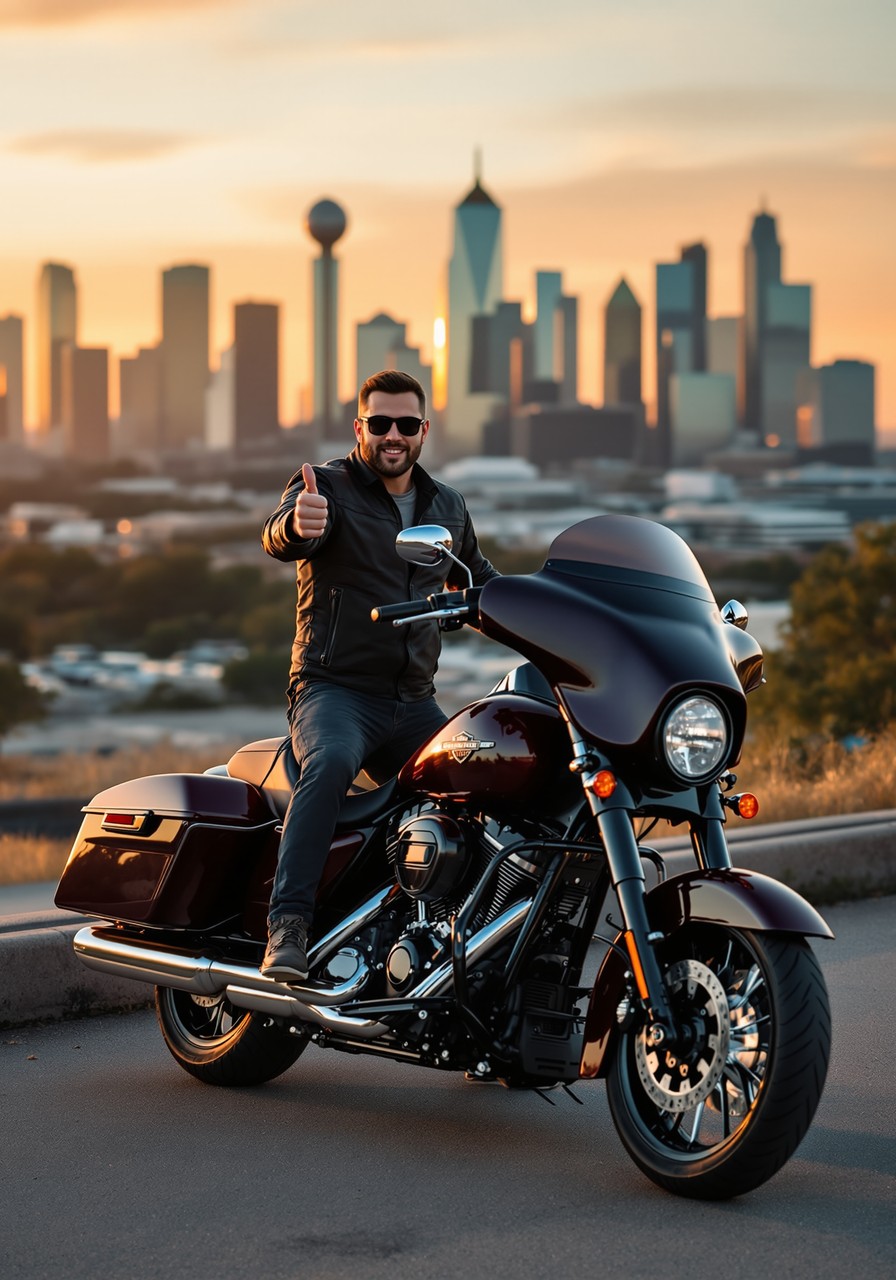
Caption this. One shot, your best line. Funniest one gets pinned Friday. #RideNationDFW #CaptionThis #DallasMotorcycles
Giveaway & Countdown
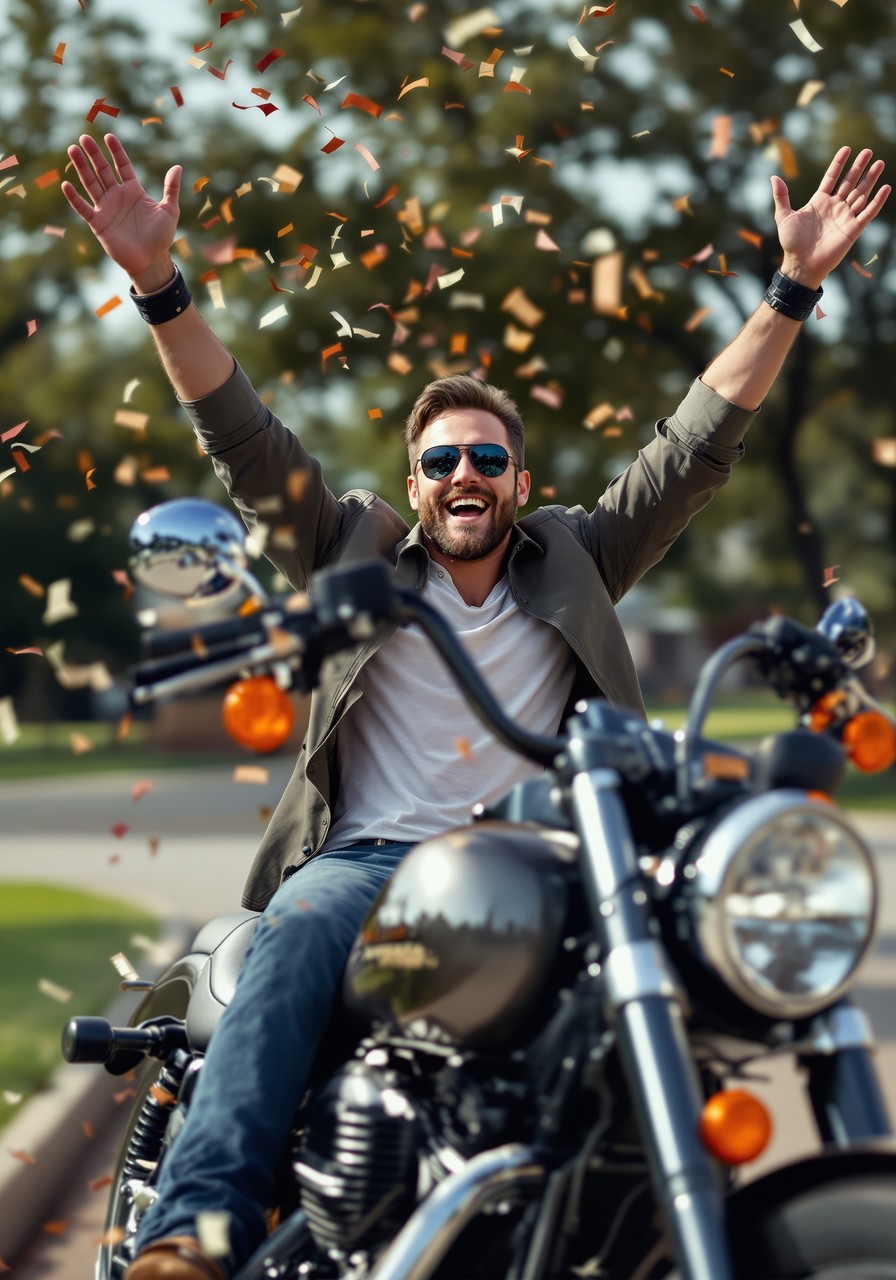
The clock is ticking toward December 10. $20,000 toward any motorcycle you want, free to enter, riders 18 and up. Link in comments. #RideNationDFW #MotorcycleGiveaway #DFWRiders
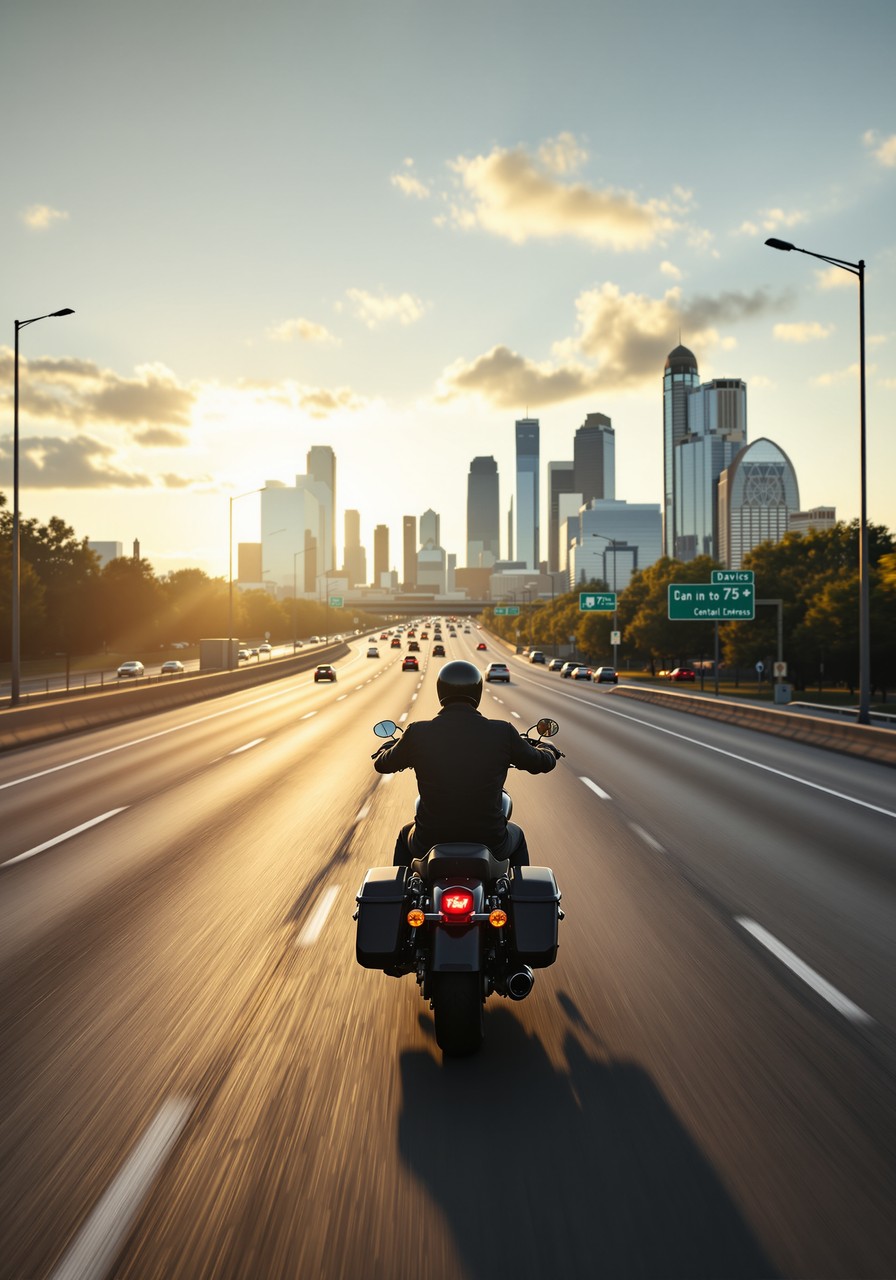
Local DFW & Rides
Hwy 377 toward Granbury is the go-to when you want real curves without a long haul. Leave Fort Worth early, grab coffee on the square, ride back before the heat. #RideNationDFW #FortWorth #TexasRiding
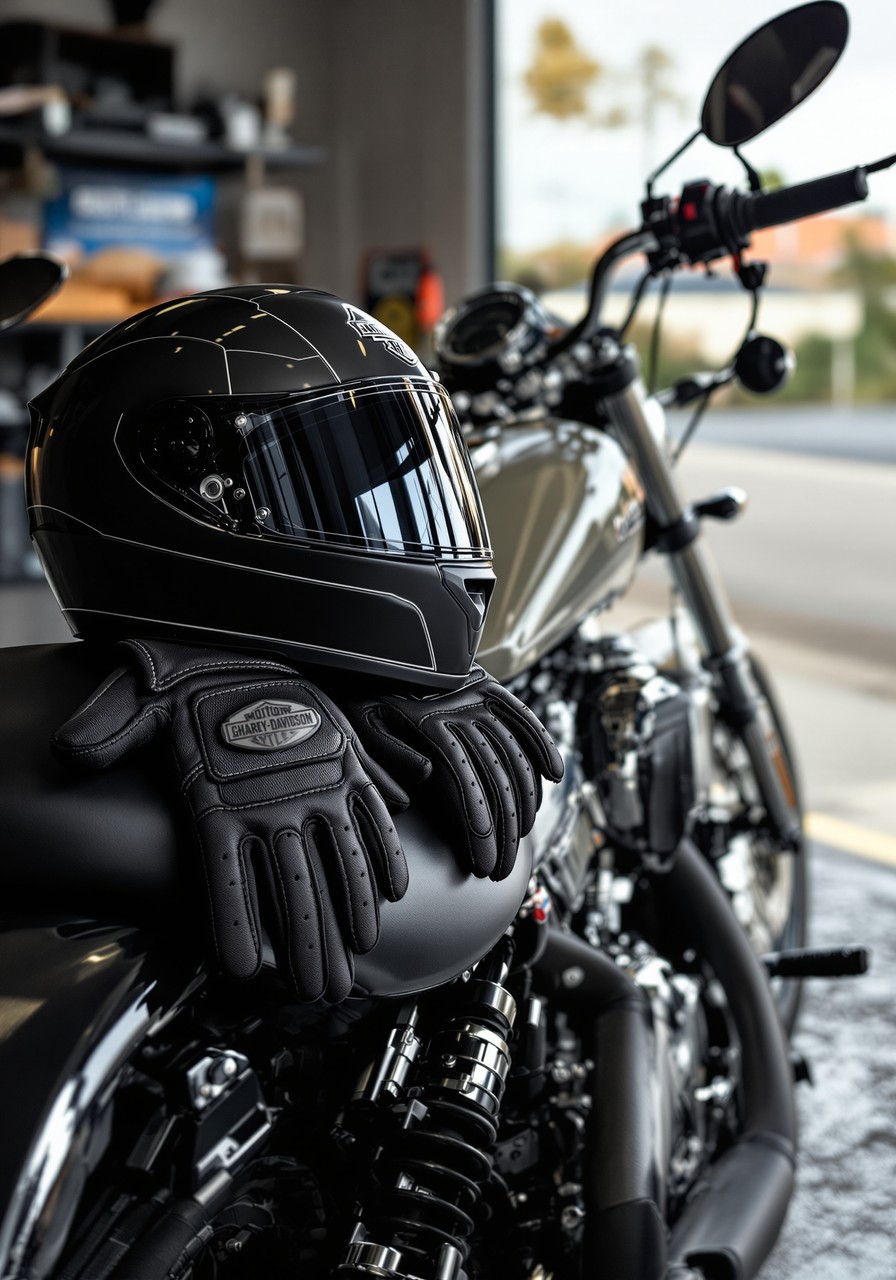
Gear & New Iron
Dropped your helmet in the parking lot? The foam inside can crush even when the shell looks fine. Replace it. Your head does not get a second draft. #RideNationDFW #GearUp #RiderTips
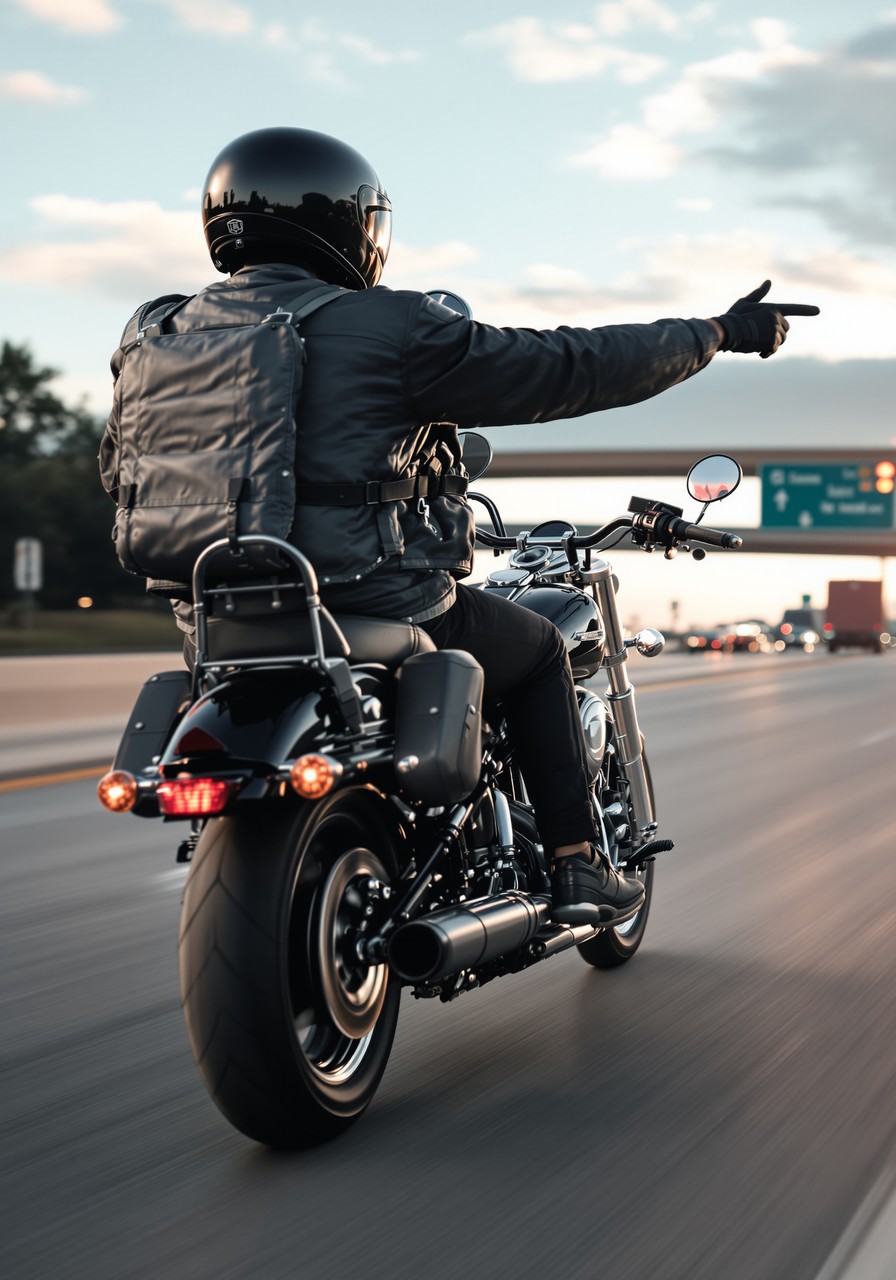
Safety & TX Law
That state minimum, 30/60/25, sounds fine until you see a hospital bill. Stack UM/UIM on your own policy so you are not left holding it. Hurt on two wheels? Call Diaz Law Firm, 214-800-2086. #RideNationDFW #TexasLaw #KnowYourRights
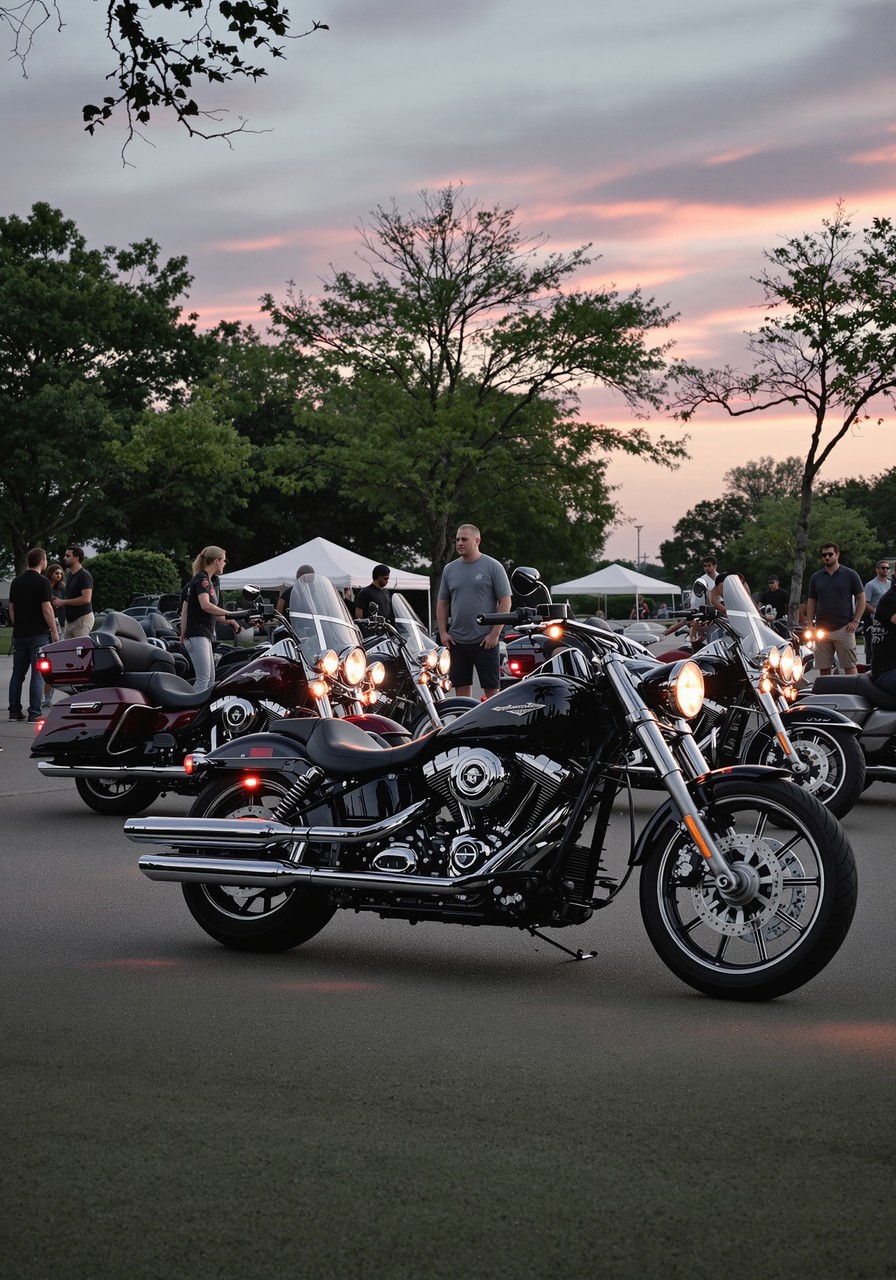
Engagement
Fill in the blank. The best road in DFW is ______ and nobody can change my mind. #RideNationDFW #FortWorth #TexasRiders
Giveaway & Countdown
Tag the riding buddy who talks about a new bike every single weekend. The BikersWin $20,000 giveaway is free and drawn December 10. Entry link in the comments. #RideNationDFW #WinABike #FreeToEnter
Local DFW & Rides
Grapevine Lake loop on a clear Saturday morning is hard to beat. Cool air off the water, light traffic, and a hundred bikes at the boat ramps by 9. #RideNationDFW #DFWRiders #NorthTexas
Gear & New Iron
The five year rule is real. Helmet foam and glue break down whether you crash or not. Check the date sticker inside and retire the old one. #RideNationDFW #GearUp #ATGATT
Safety & TX Law
UM/UIM has to be offered to you in Texas. Do not wave it off. It is the coverage that saves you when the other guy is broke. Need to talk it through after a crash? Manuel Diaz, 214-800-2086. #RideNationDFW #UninsuredMotorist #RiderSafety
Engagement
Tag your ride-or-die. The one you call first when a group ride comes together. #RideNationDFW #RideOrDie #DFWRiders
Giveaway & Countdown
Somebody is walking away with $20,000 toward a new motorcycle on December 10. Why not you? Free to enter, link in comments. #RideNationDFW #BikersWin #DFWRiders
Local DFW & Rides
Eagle Mountain Lake run is the quiet cousin of Grapevine. Fewer cars, better pavement in spots, and a lake view that earns the ride. #RideNationDFW #FortWorth #MotorcycleRoads
Gear & New Iron
Mesh jacket season in DFW is basically nine months long. But mesh only helps if it has CE rated armor in the shoulders and elbows. Airflow plus protection, not one or the other. #RideNationDFW #GearUp #TexasHeat
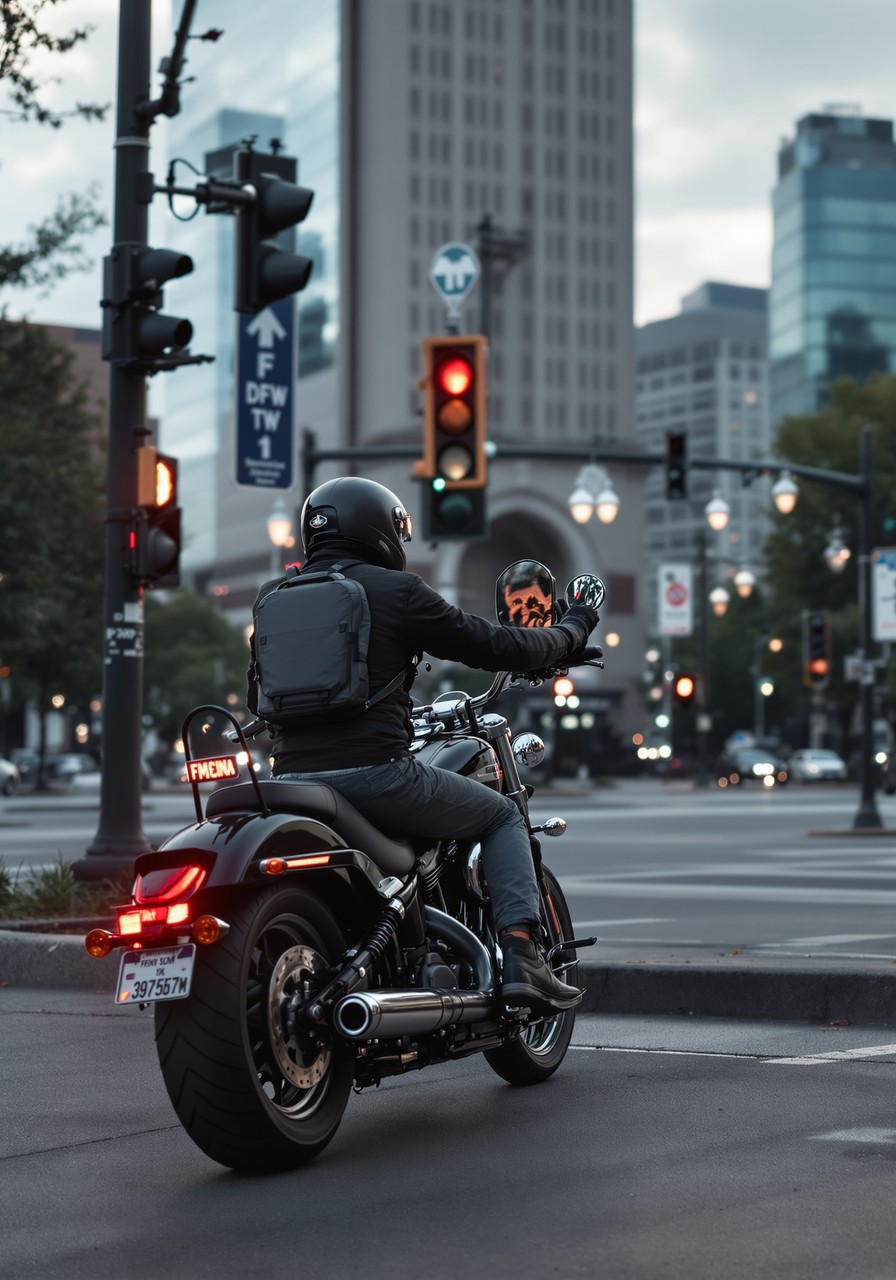
Safety & TX Law
The 51 percent bar is brutal in Texas. More than half at fault and you walk away with nothing. How the crash gets documented decides it. Hurt riding? Manuel Diaz rides for you, 214-800-2086. #RideNationDFW #MotorcycleSafety #KnowYourRights
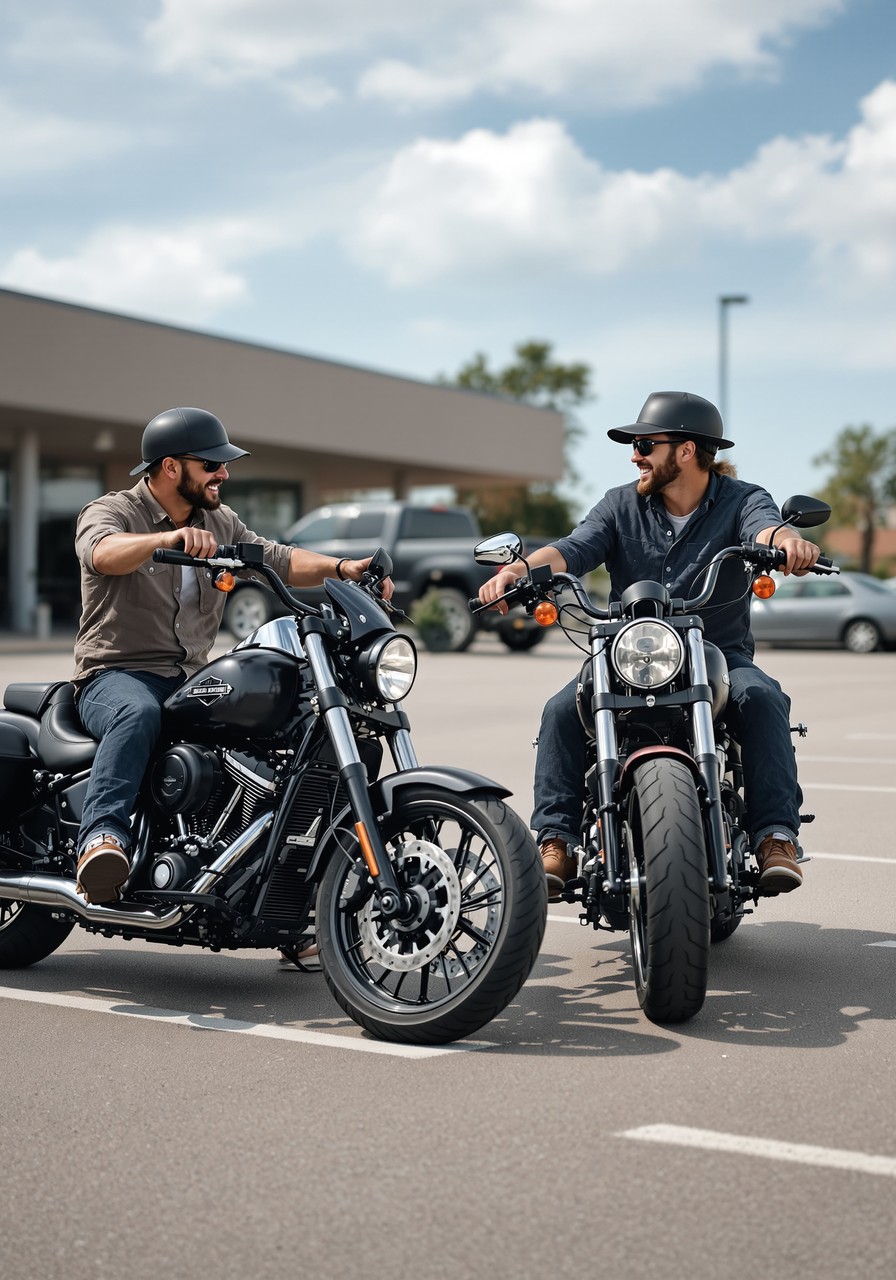
Engagement
This or that. Sunrise ride or sunset ride? Vote in the comments. #RideNationDFW #TwoWheels #Texas
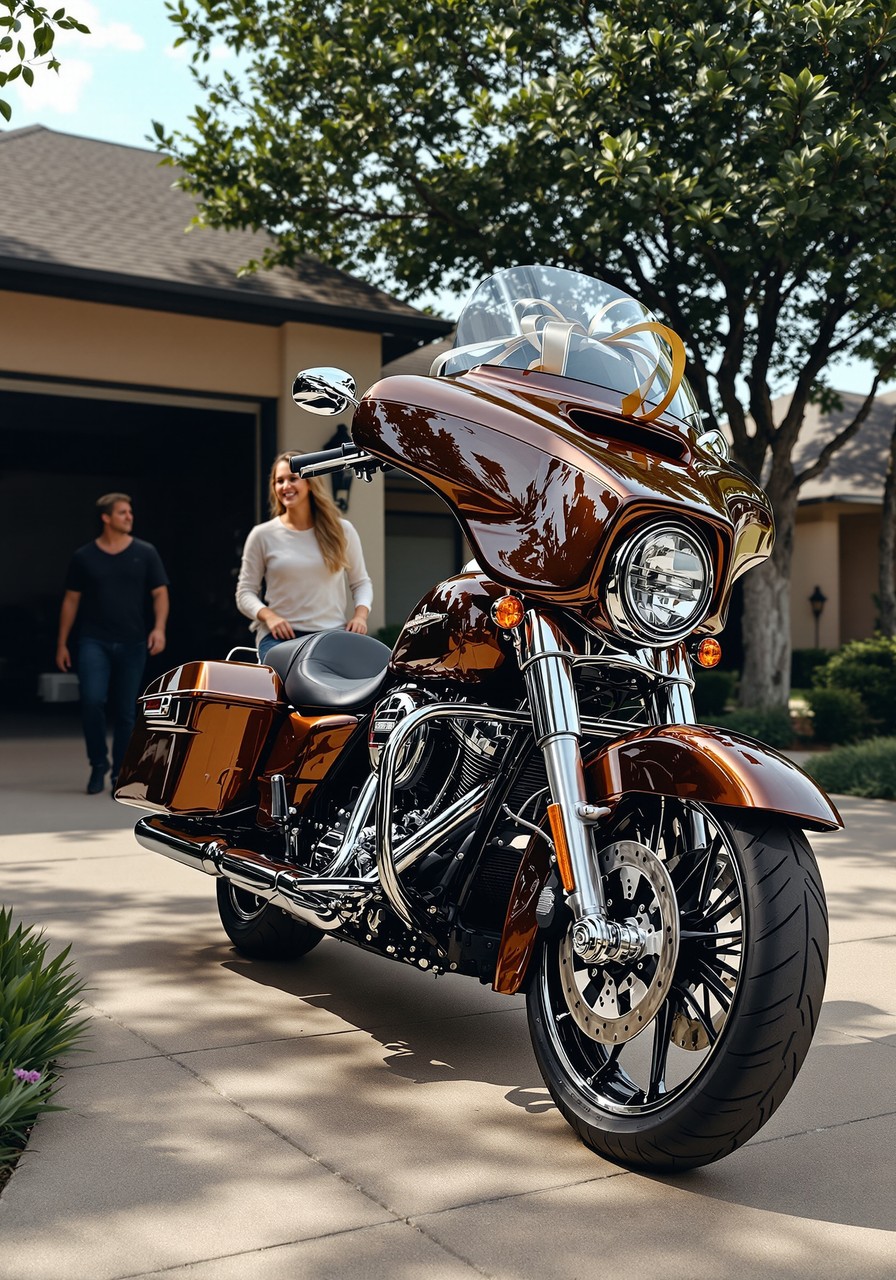
Giveaway & Countdown
Drop it in the comments. If you won $20,000 toward any bike, what are you buying? Enter the BikersWin giveaway free before December 10. Entry link in the comments. #RideNationDFW #20kGiveaway #DallasMotorcycles
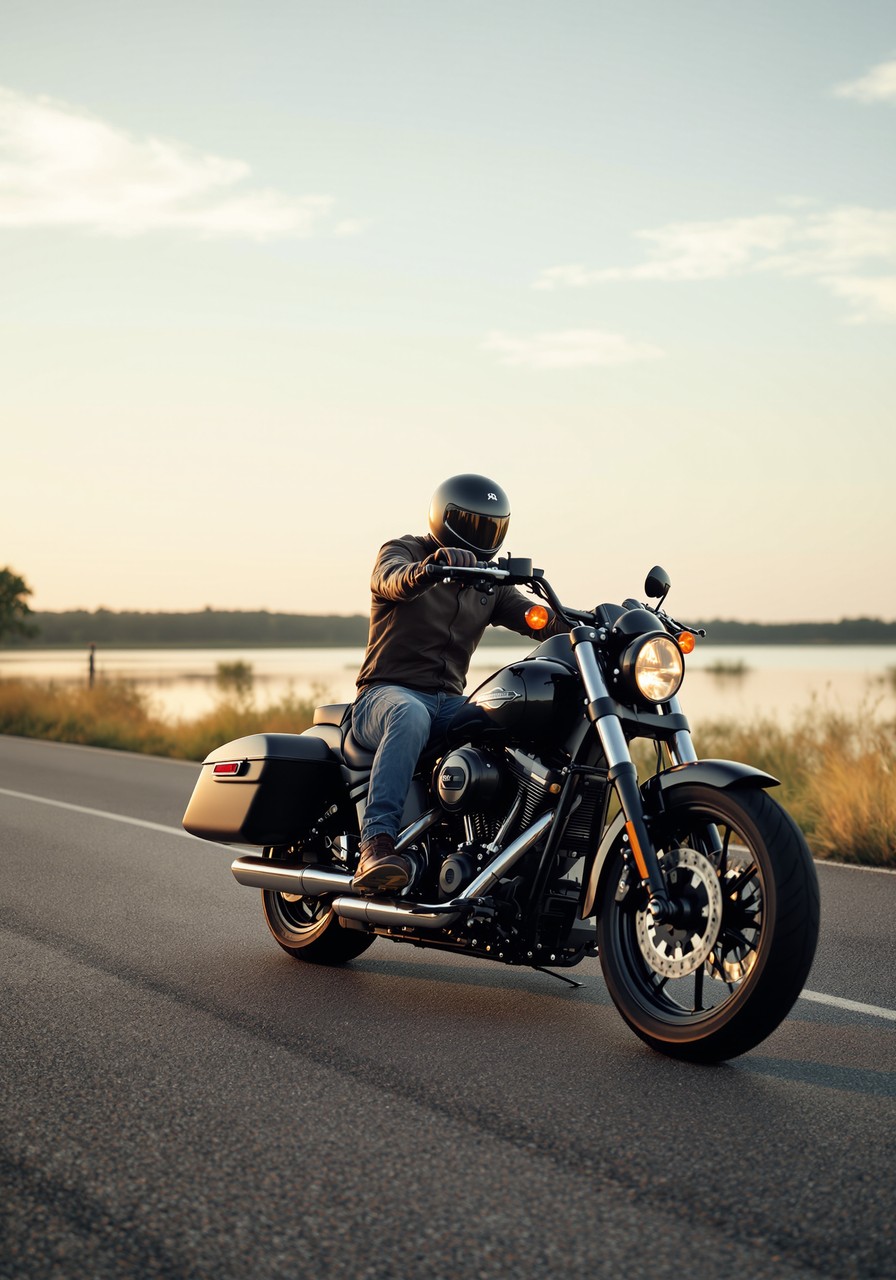
Local DFW & Rides
Possum Kingdom Lake is worth the full-day commitment. The run out on Park Road 36 has the kind of elevation and sweepers North Texas riders drive hours to find. #RideNationDFW #TexasRiding #MotorcycleRoads
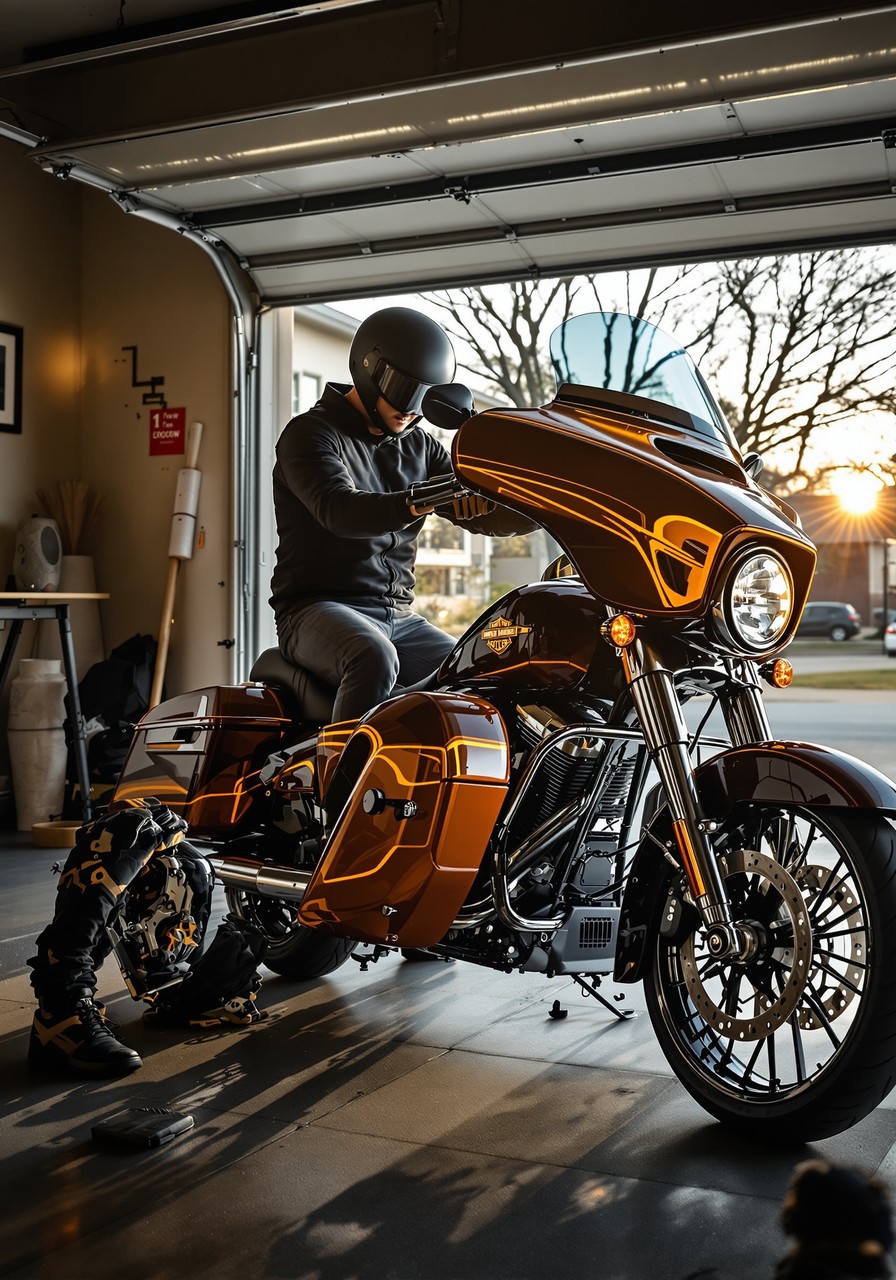
Gear & New Iron
CE rated armor comes in levels. Level 1 is good, Level 2 takes a bigger hit. If your jacket has foam pads you can fold in half, upgrade them. #RideNationDFW #ATGATT #GearUp
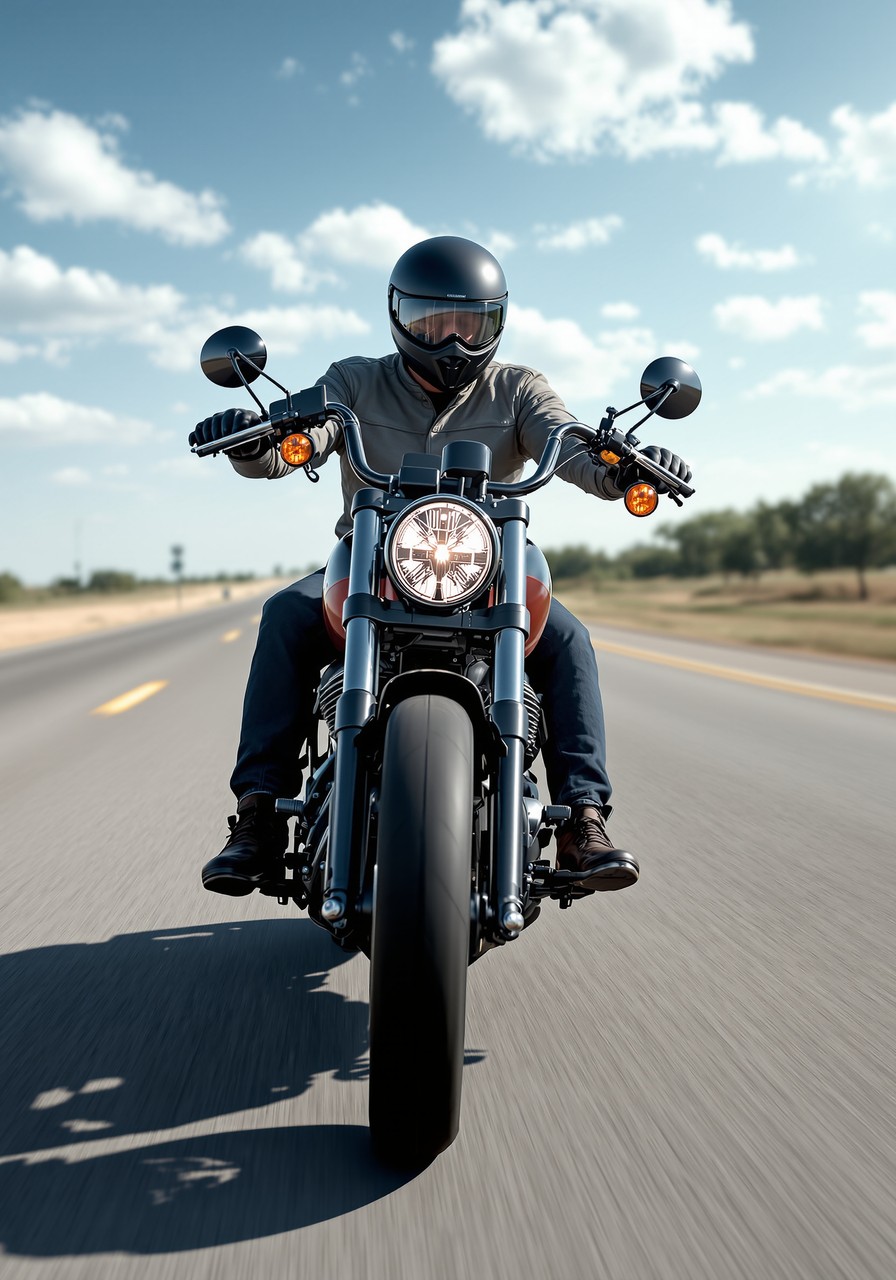
Safety & TX Law
Texas runs modified comparative negligence. Your recovery drops by your share of fault, and past 50 percent it hits zero. Get the scene documented right. Questions? Diaz Law Firm, no cost to talk. 214-800-2086. #RideNationDFW #TexasLaw
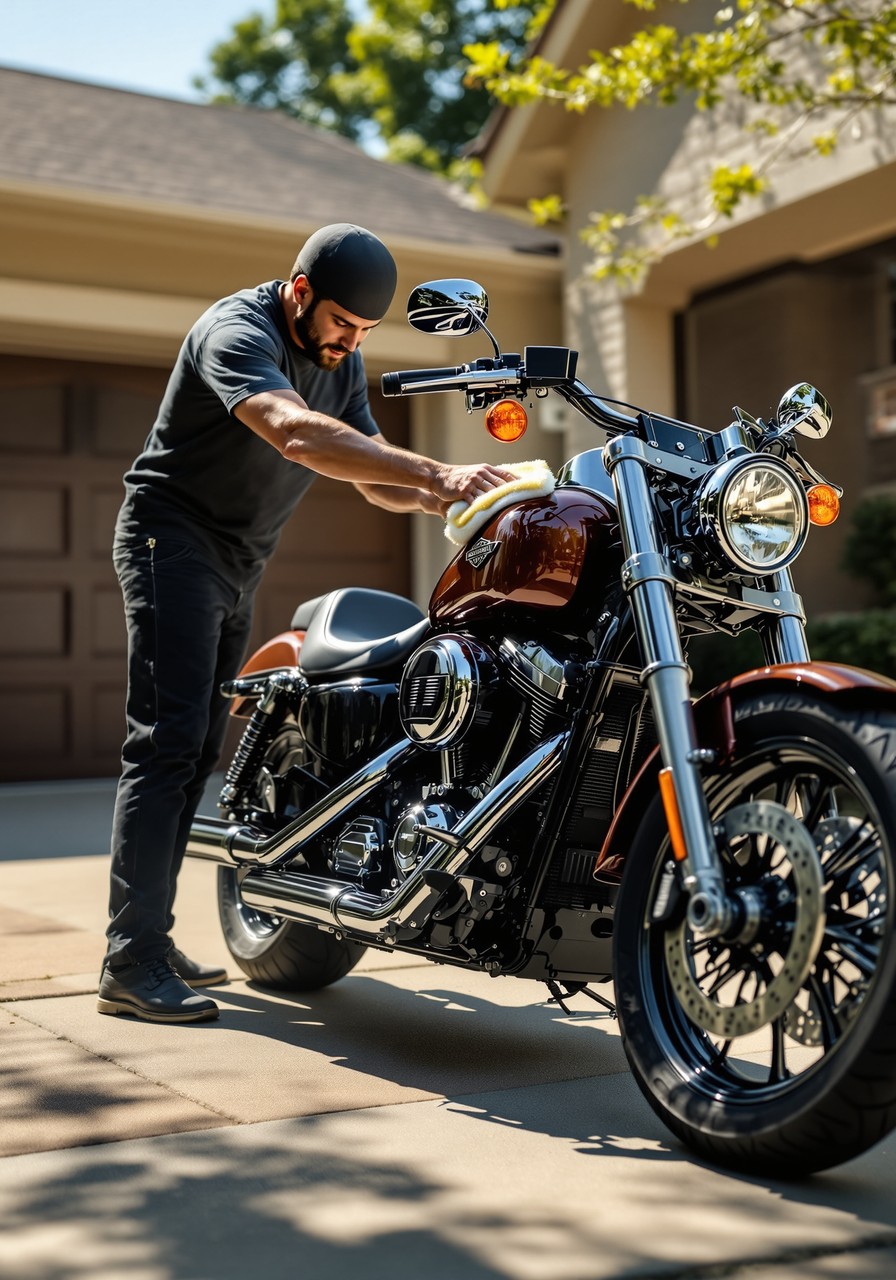
Engagement
Quick poll. How many bikes have you owned? Drop the number, no lying. #RideNationDFW #BikerLife #DallasMotorcycles
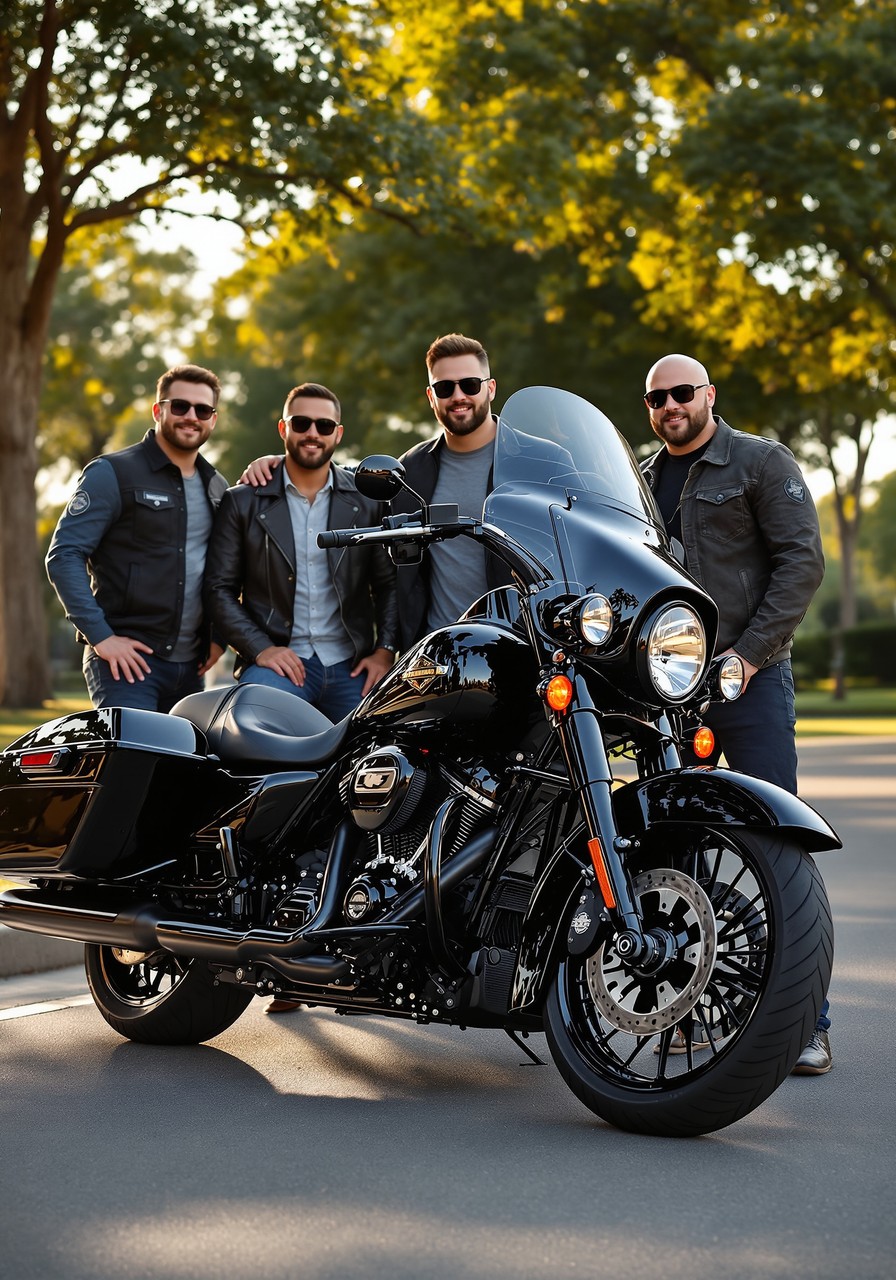
Giveaway & Countdown
Two minutes now could put $20,000 toward your next ride. Free to enter, drawn December 10, entry link in the comments. Questions after a wreck? Diaz Law Firm, 214-800-2086. #RideNationDFW #MotorcycleGiveaway #DFWRiders
Local DFW & Rides
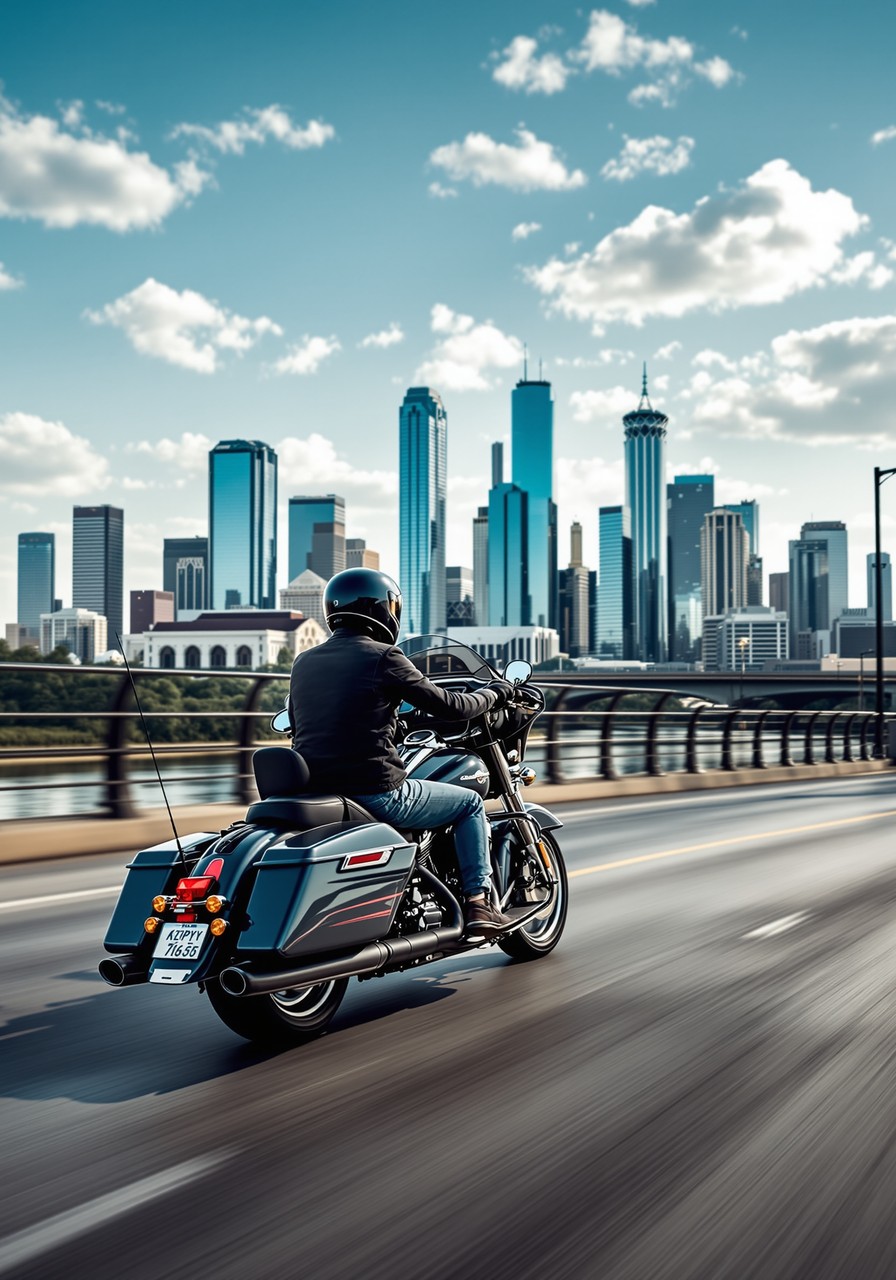
Stockyards bike night never gets old. Roll into Fort Worth, park along the brick, and you will find every kind of bike and every kind of rider swapping stories. #RideNationDFW #Stockyards #FortWorth
Gear & New Iron
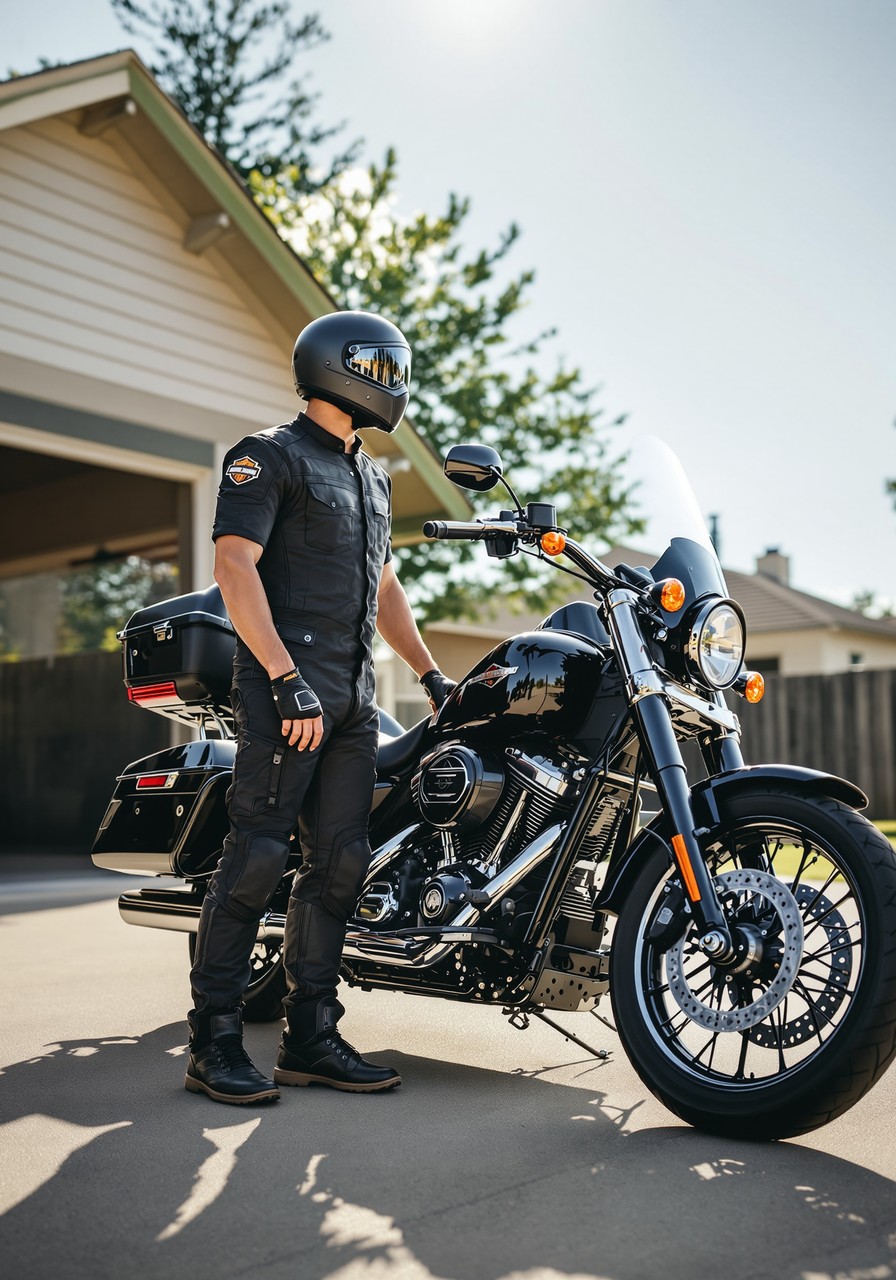
Full finger gloves every ride, even the two mile coffee run. Your hands hit the pavement first every single time. Skin does not grow back like leather. #RideNationDFW #ATGATT #RiderTips
Safety & TX Law
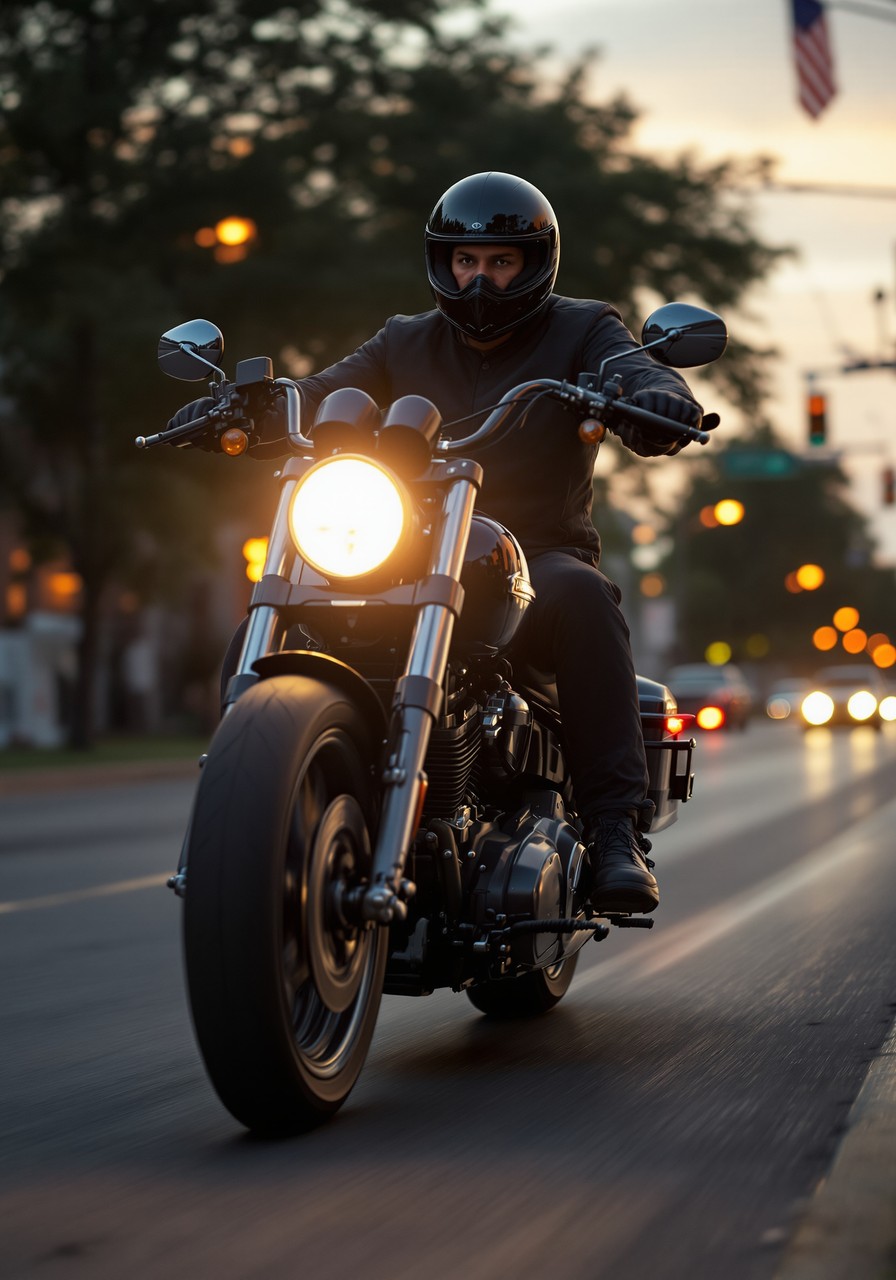
Fault is money in Texas. Every point of blame they pin on you comes off what you recover, and 51 percent wipes it out. That is why the report matters. Hurt in a crash? Manuel Diaz, 214-800-2086. #RideNationDFW #KnowYourRights #RiderSafety
Engagement
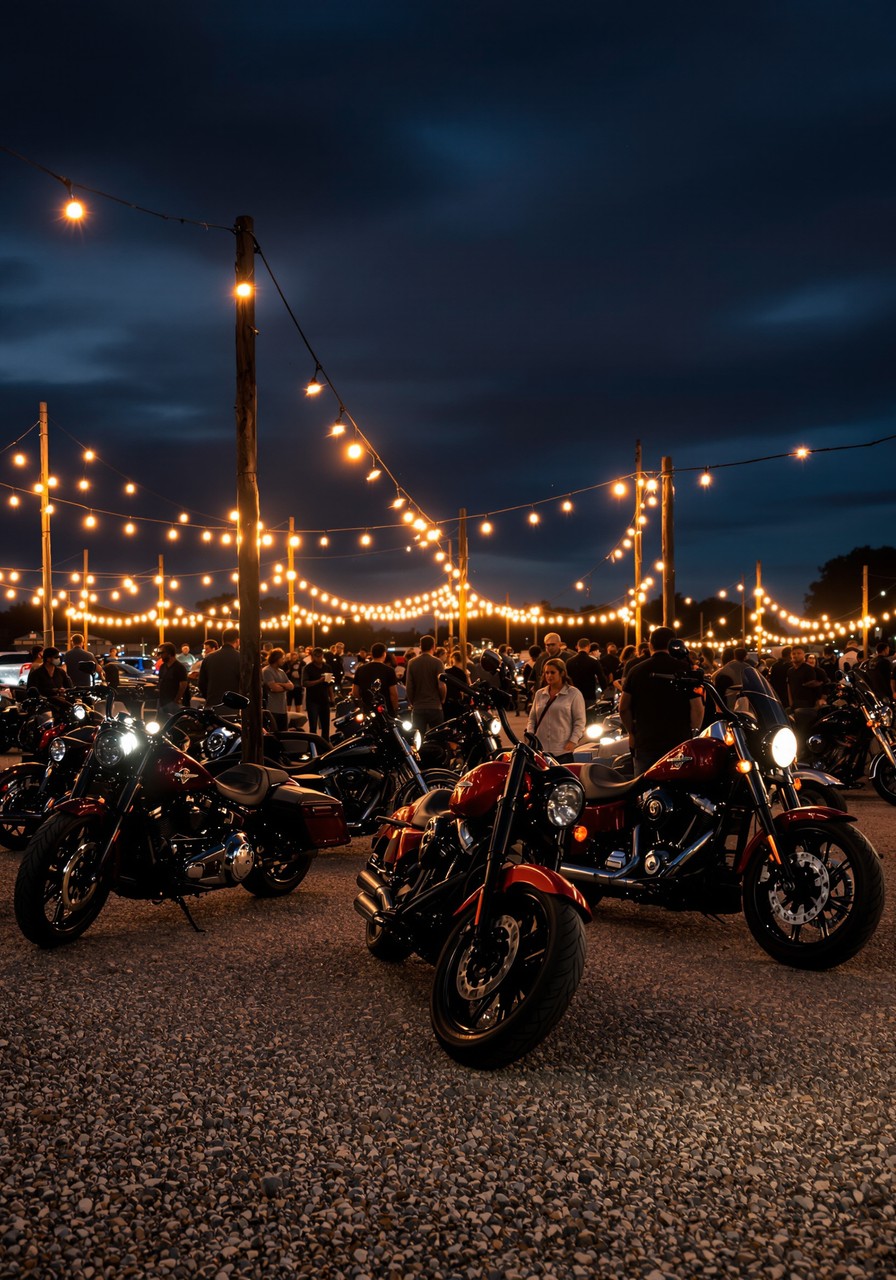
Finish the sentence. I started riding because ______. Let's hear the real story. #RideNationDFW #TexasRiders #TwoWheels
Giveaway & Countdown
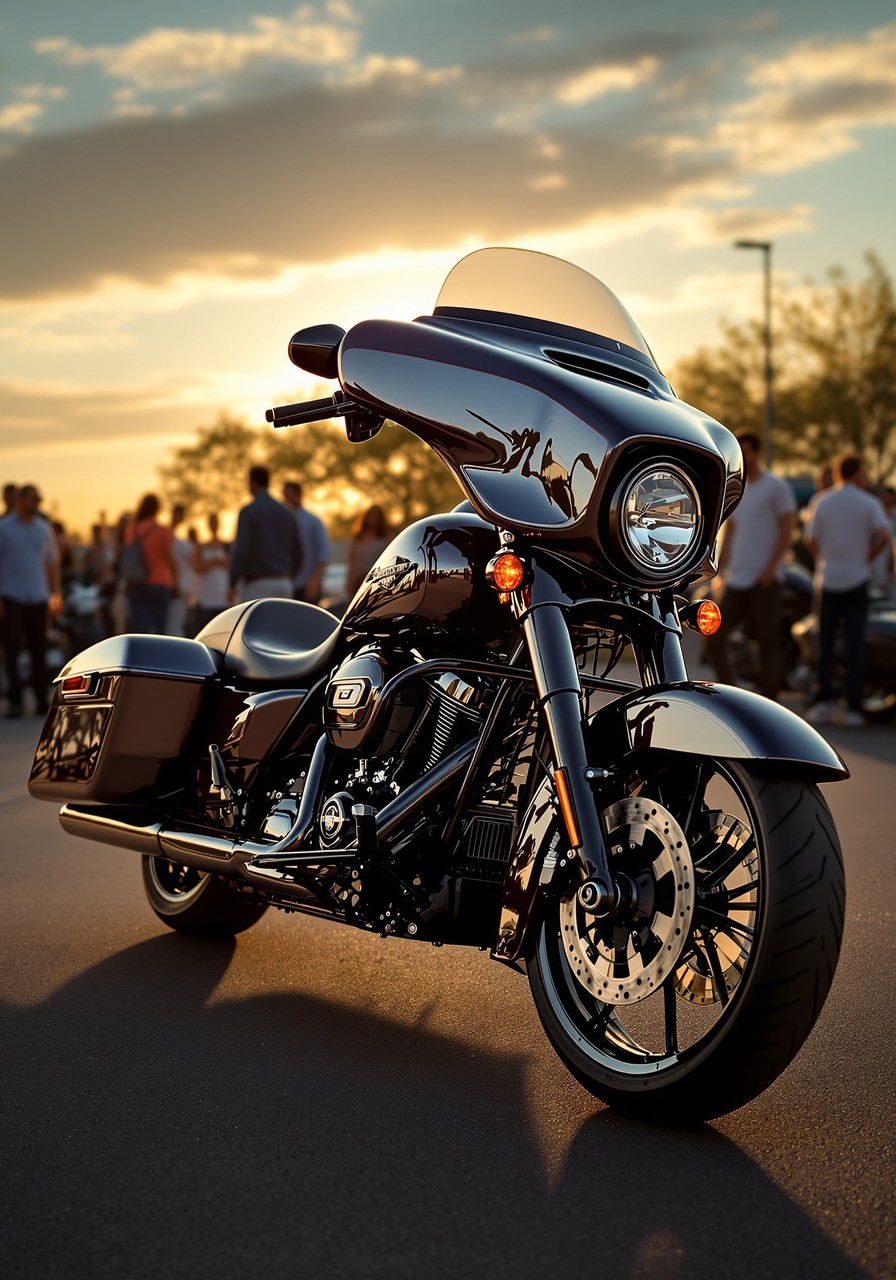
Picture the keys in your hand and $20,000 covering the bike. That daydream is one free entry away. Drawn December 10, link in comments. #RideNationDFW #BikersWin #WinABike
Local DFW & Rides
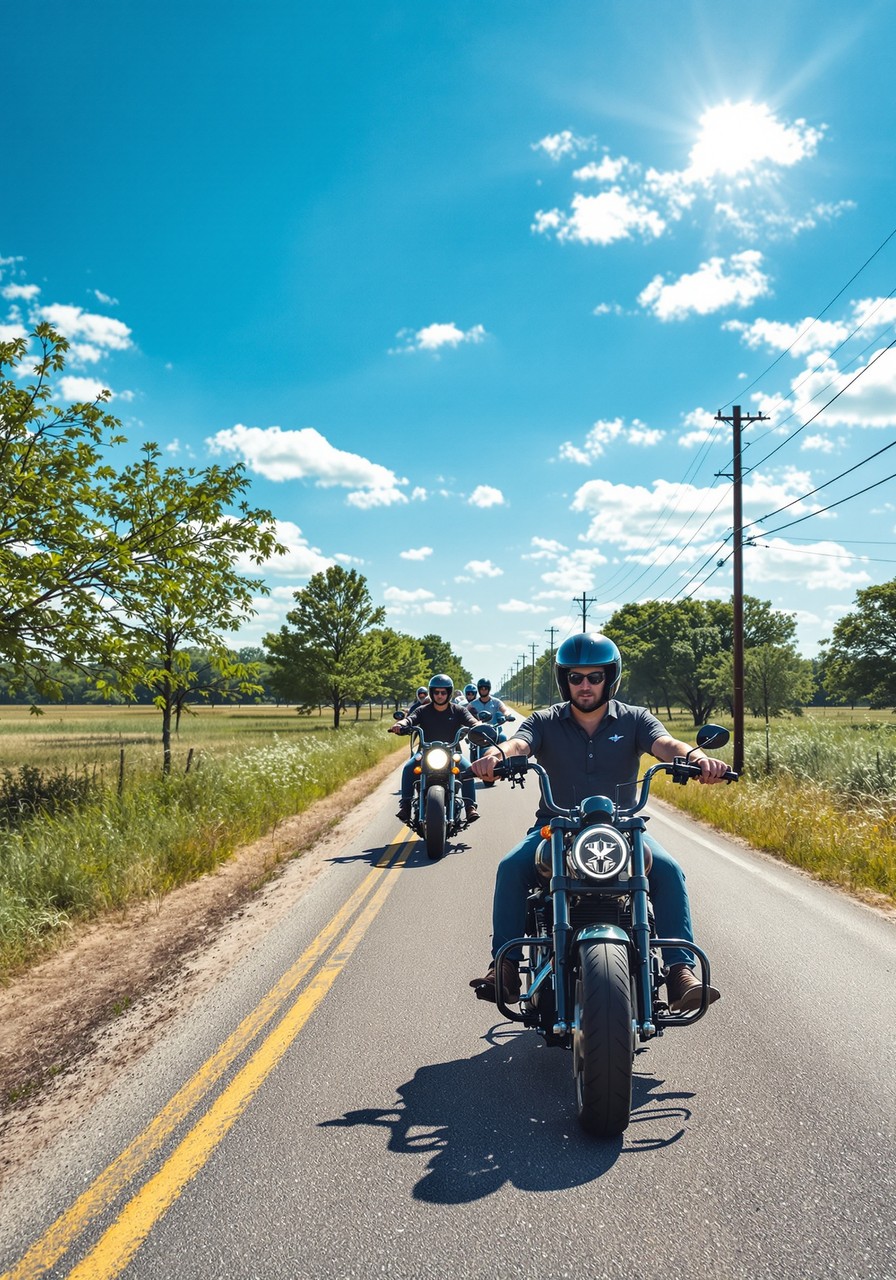
The Texas Hill Country day-ride south is the trip you plan around all year. Point it past Glen Rose, chase the twisties, and remember it is a long way home when the sun drops. #RideNationDFW #HillCountry #MotorcycleRoads
Gear & New Iron
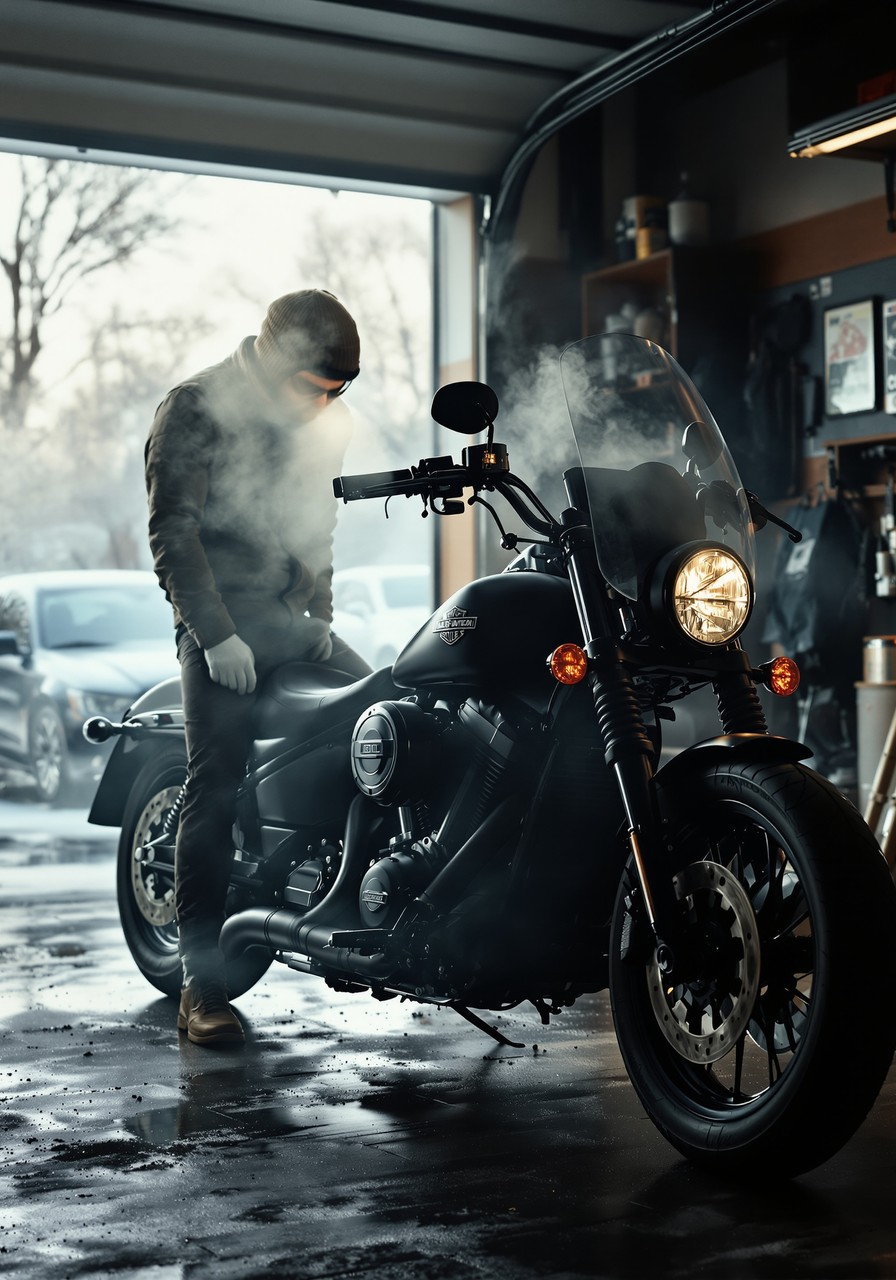
Summer gloves should breathe but still cover the knuckles. A ventilated glove with hard armor beats sweaty bare hands sliding on asphalt. #RideNationDFW #GearUp #TexasHeat
Safety & TX Law
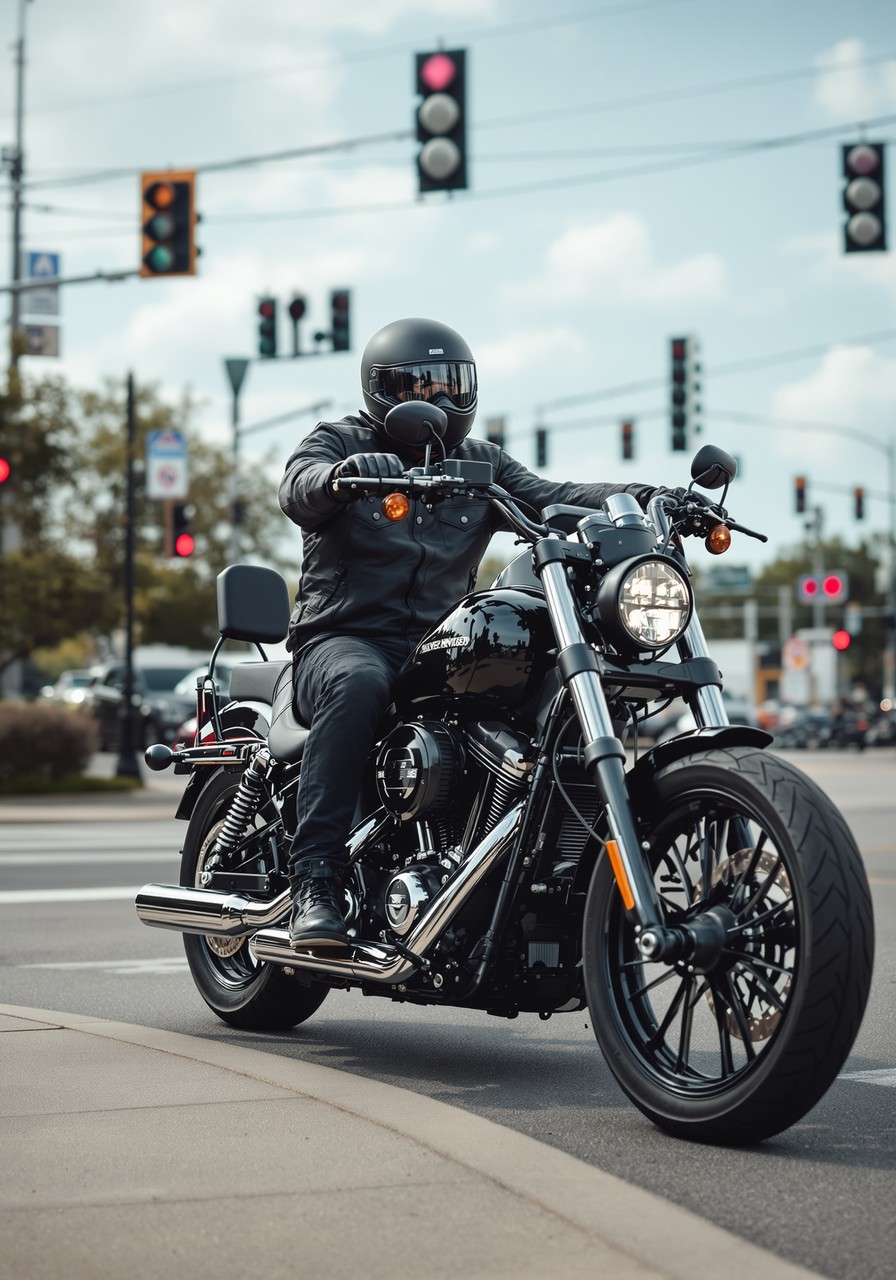
Helmet law in Texas: required if you are under 21, no exceptions. Riders 21 and up can go without only with an approved safety course or at least 10,000 dollars in medical coverage. Ride smart. Questions after a wreck? Diaz Law Firm, 214-800-2086. #RideNationDFW #MotorcycleSafety
Engagement
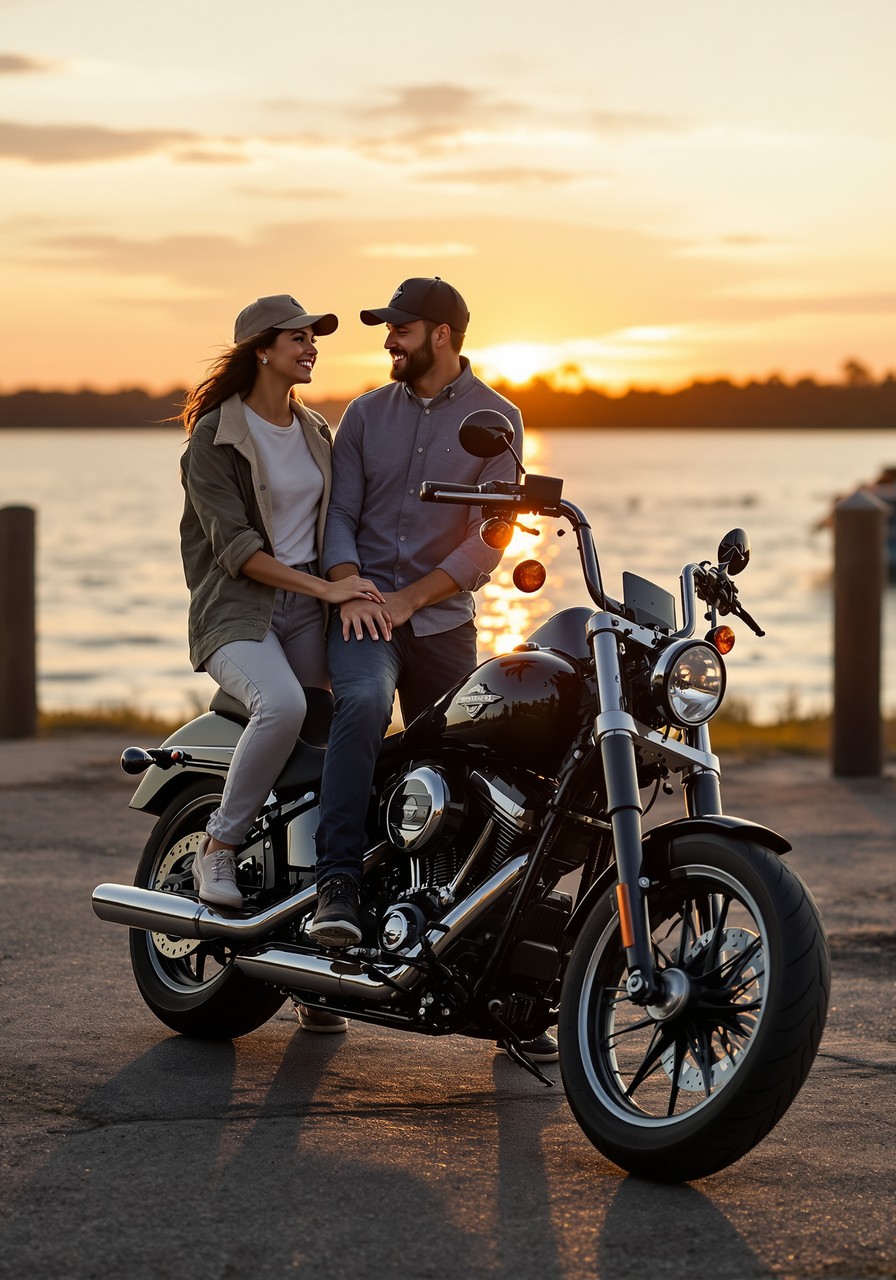
Dallas or Fort Worth for a Saturday ride? Pick a side and defend it. #RideNationDFW #FortWorth #DFWRiders
Giveaway & Countdown
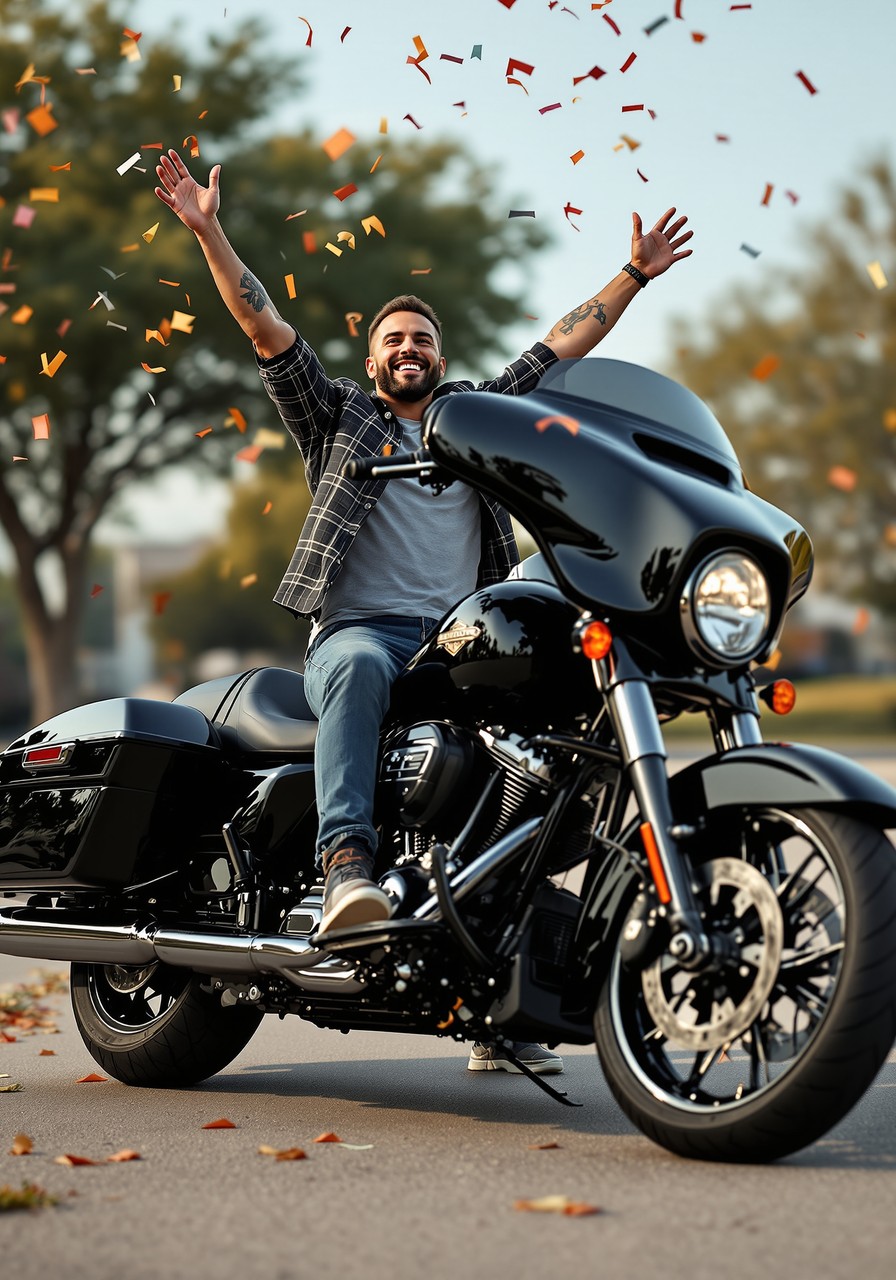
Countdown is on. Less than two weeks until the BikersWin draw on December 10. Free to enter, riders 18 and up, entry link in the comments. #RideNationDFW #20kGiveaway #DFWRiders
Local DFW & Rides
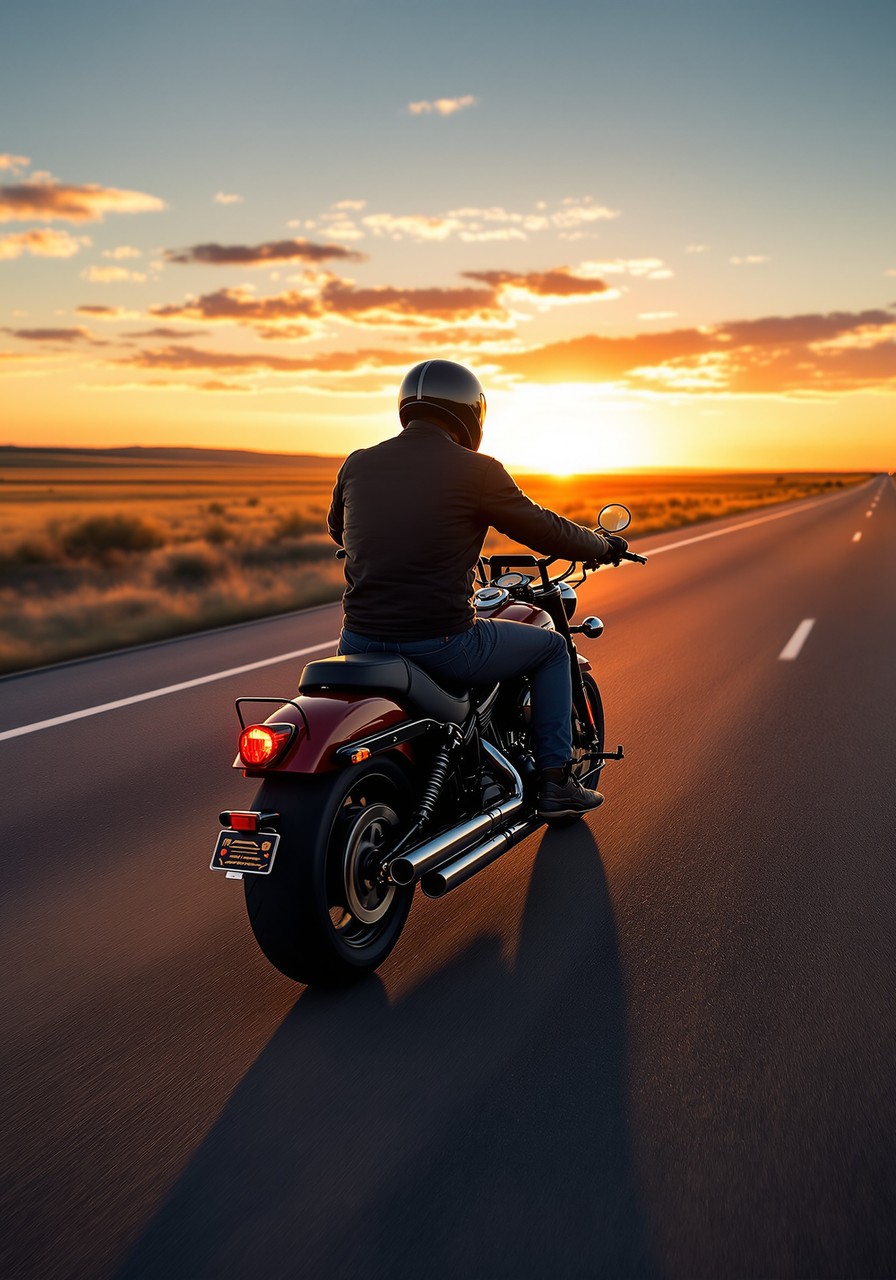
Ranch Road runs southwest of Fort Worth are the antidote to expressway riding. Two lanes, cattle guards, and long clean lines through open country. #RideNationDFW #TexasRiding #NorthTexas
Gear & New Iron
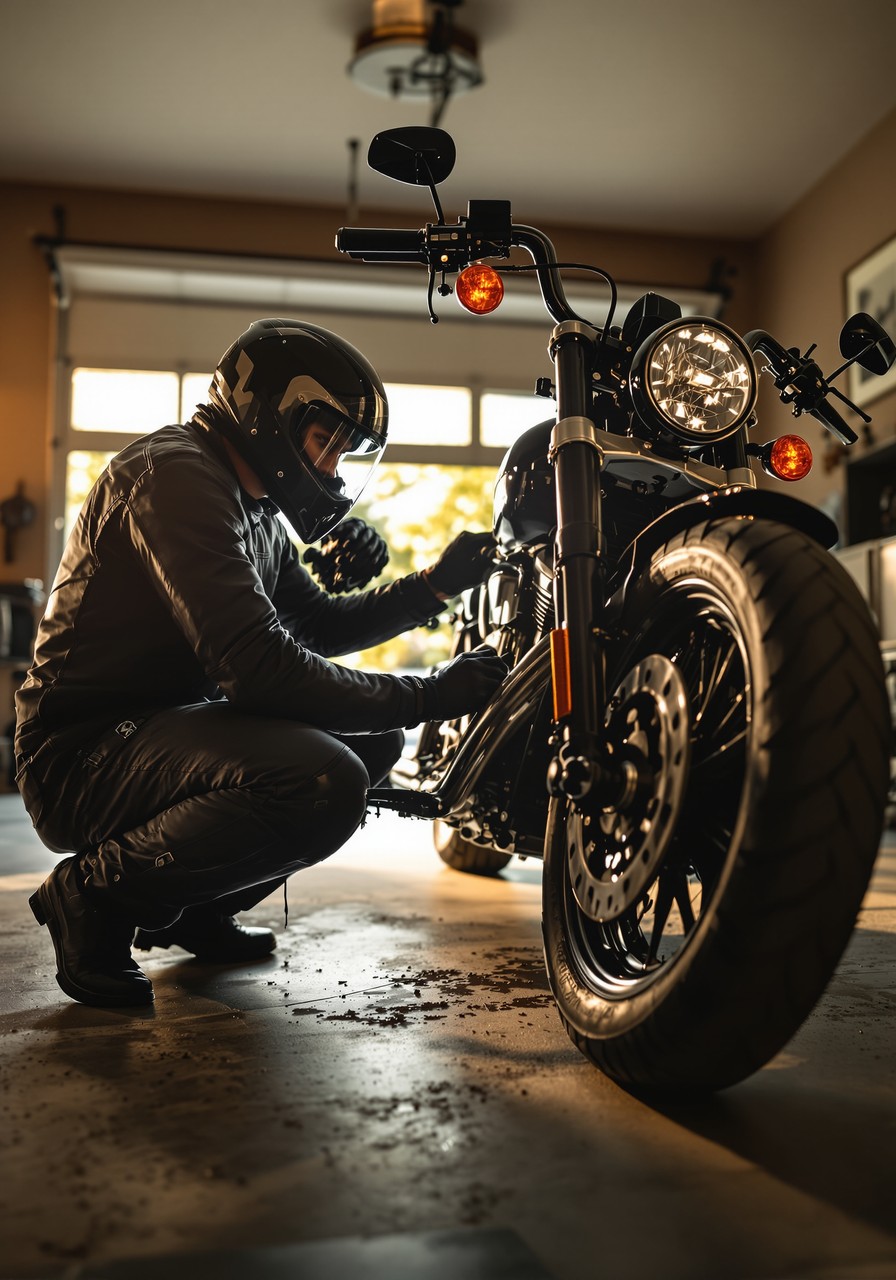
Texas heat is no joke on I-35. Hydrate before you throw a leg over, not after you feel dizzy. Dehydration slows your reactions before you even notice. #RideNationDFW #TexasHeat #RiderTips
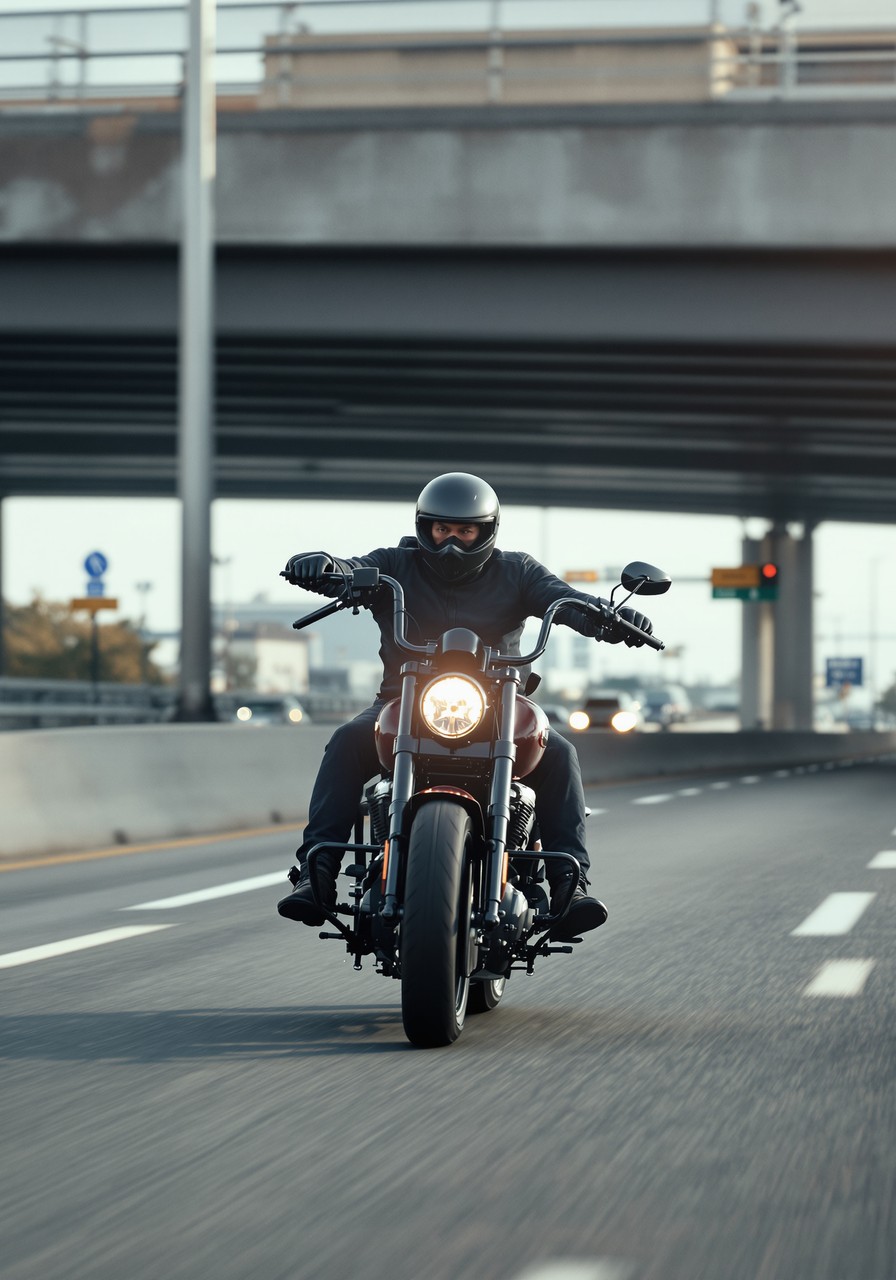
Safety & TX Law
Under 21 in Texas, the helmet is the law, full stop. Over 21 you need the safety course or 10k in medical coverage to legally skip it. Know where you stand. Hurt on the road? Manuel Diaz, 214-800-2086. #RideNationDFW #TexasLaw #RiderSafety
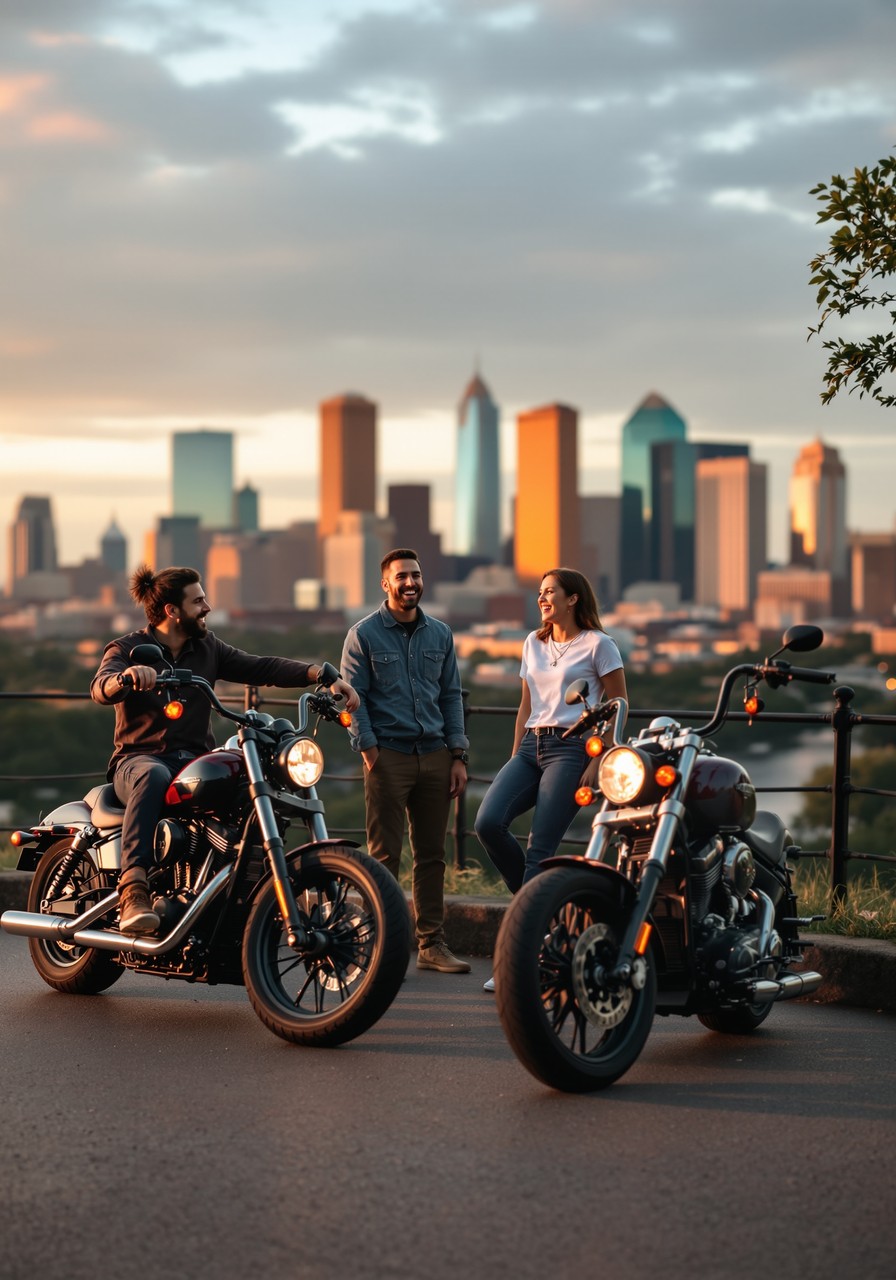
Engagement
Name a song that belongs on every DFW ride playlist. First one that pops in your head. #RideNationDFW #BikerLife #TwoWheels
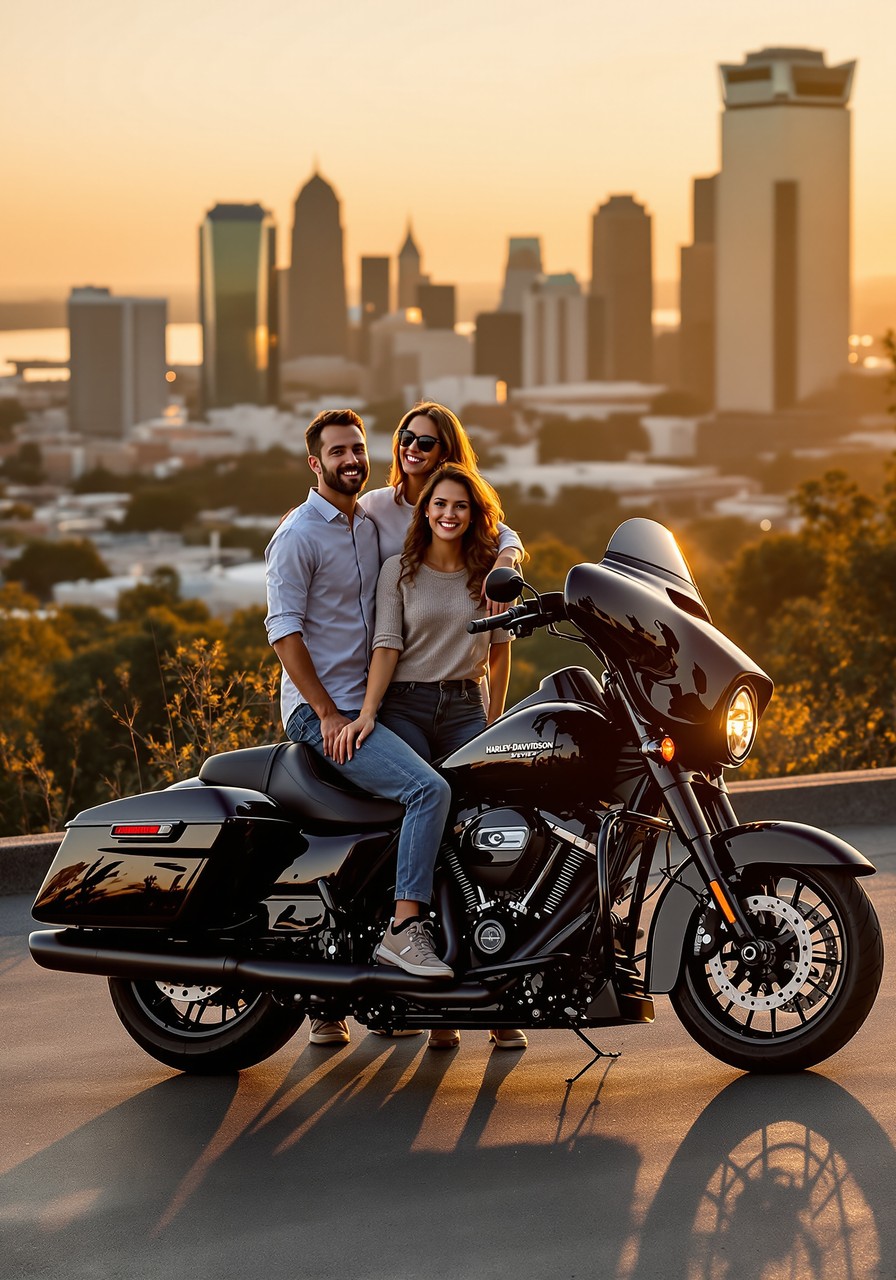
Giveaway & Countdown
Ride Nation DFW, one of us could win $20,000 toward a new motorcycle. Have you entered yet? It is free. Link in comments. Diaz Law Firm, 214-800-2086. #RideNationDFW #BikersWin #DallasMotorcycles
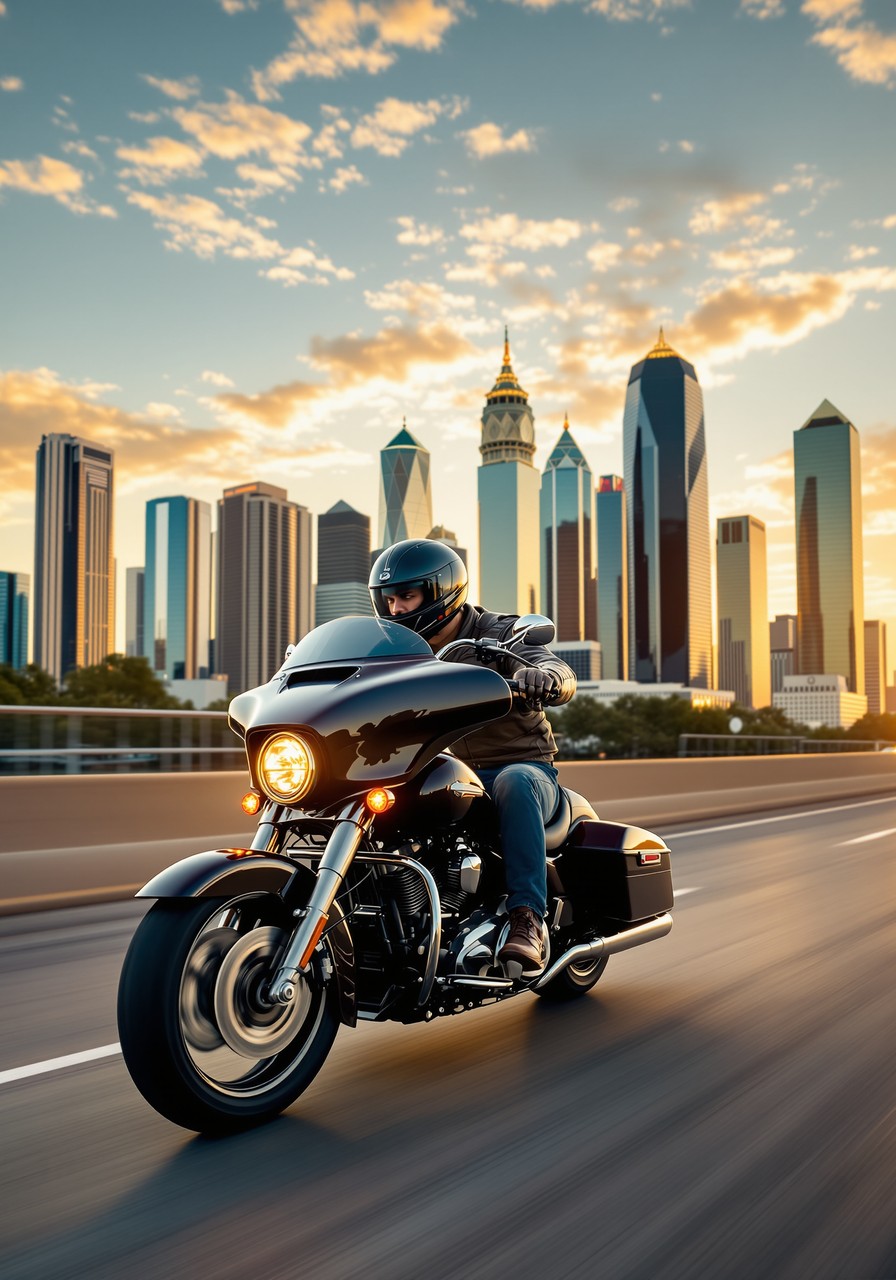
Local DFW & Rides
Trinity River levee roads give you a slow, easy Dallas cruise with the skyline off your shoulder. Perfect for a new rider getting comfortable before the highway. #RideNationDFW #DallasMotorcycles #NorthTexas
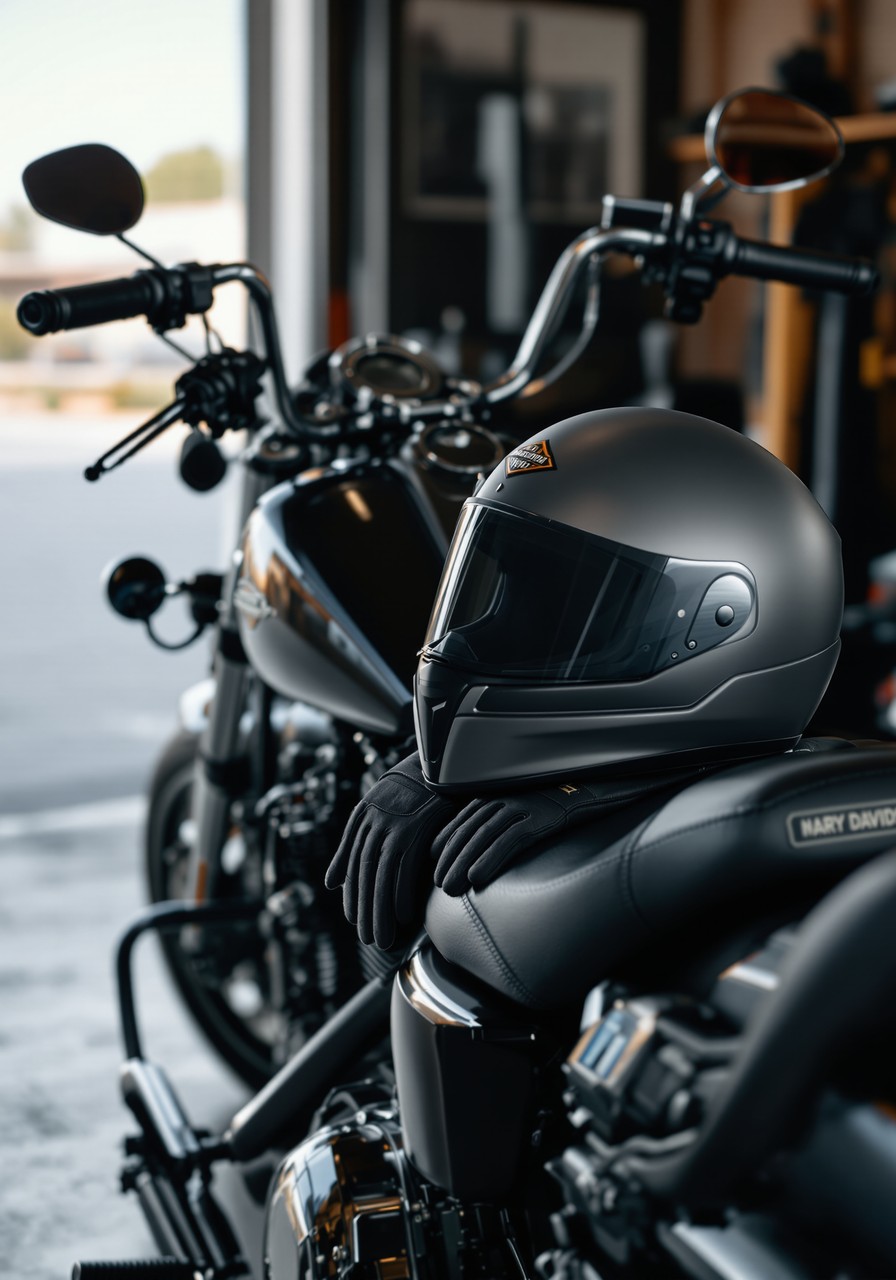
Gear & New Iron
A hydration pack under a mesh jacket keeps you drinking on long summer rides without stopping. Cheaper than a heat exhaustion ER visit. #RideNationDFW #TexasHeat #GearUp
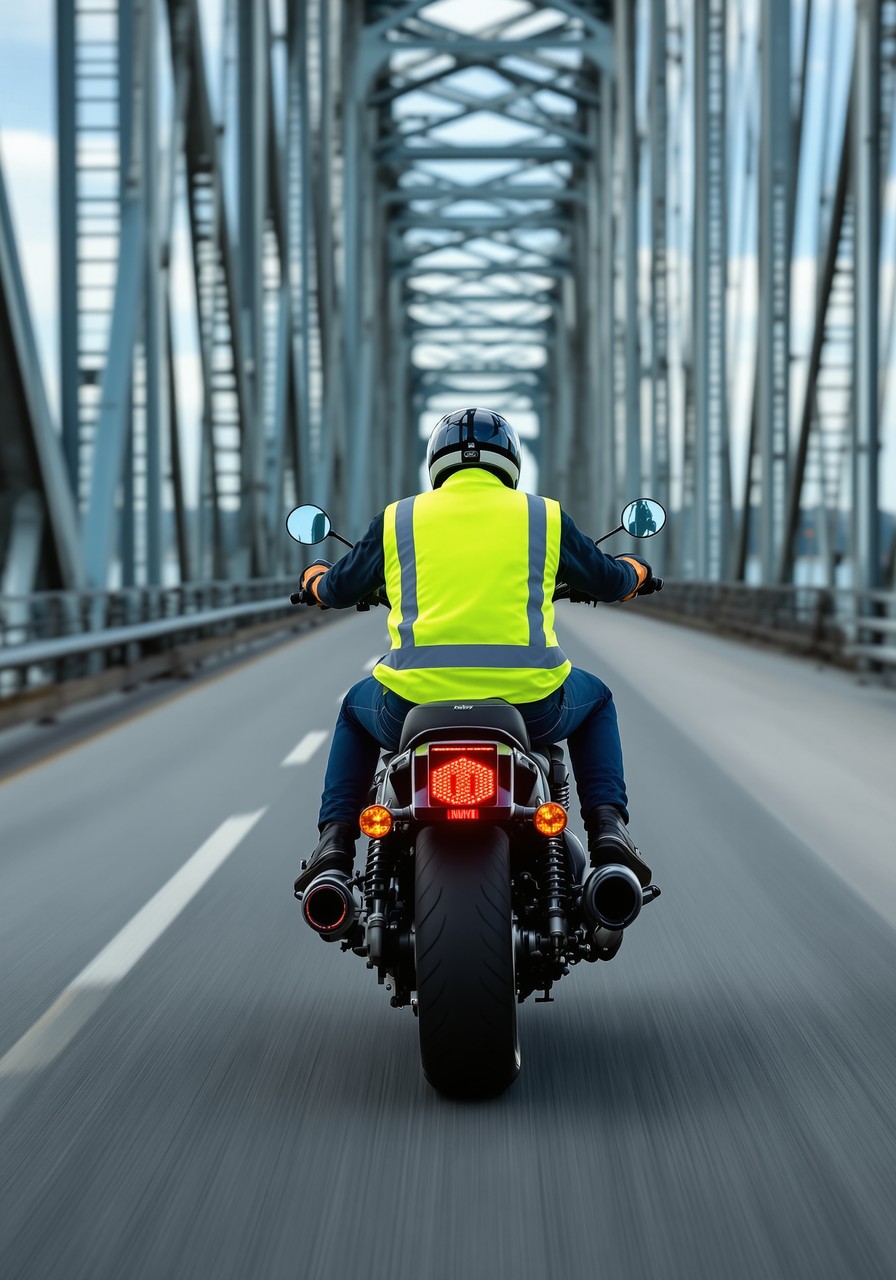
Safety & TX Law
Even if Texas lets you ride lidless at 21 plus, your skull does not care about the law. Gear up anyway. And if a driver puts you down, Diaz Law Firm is no cost to talk. 214-800-2086. #RideNationDFW #ATGATT #MotorcycleSafety
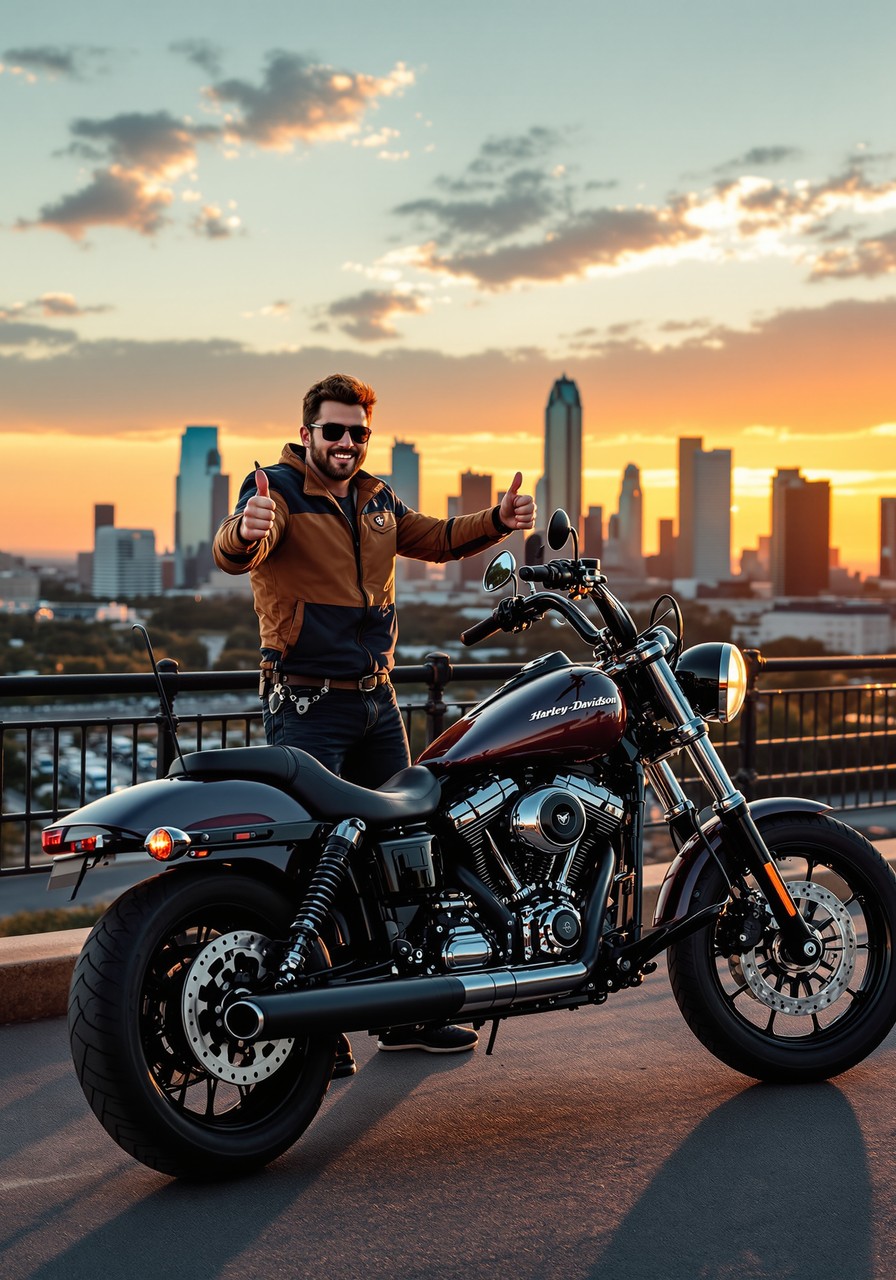
Engagement
Two words to describe your last ride. Go. #RideNationDFW #DFWRiders #TexasRiders
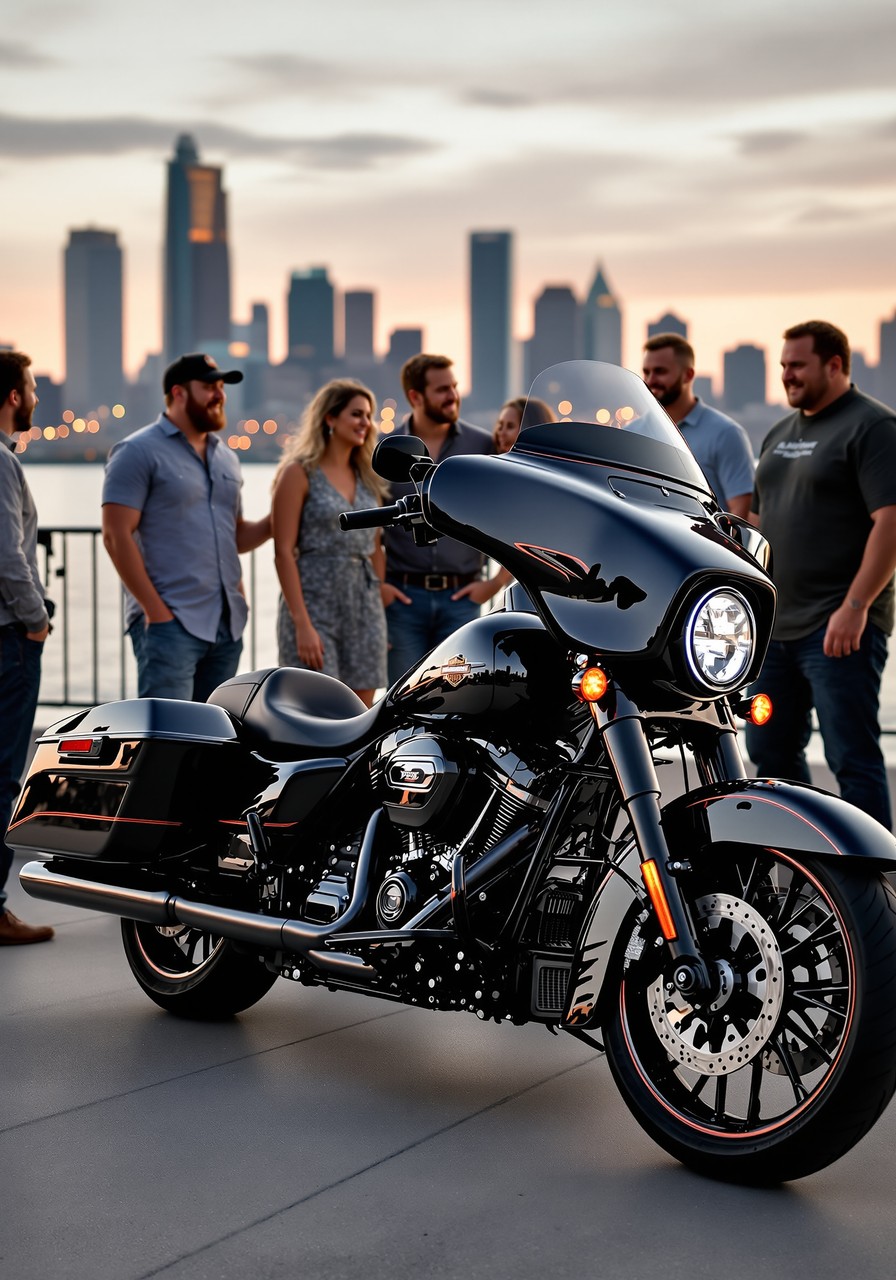
Giveaway & Countdown
Tag two riders who need this in their life. $20,000 toward any bike, free to enter, drawn December 10. Entry link in the comments. #RideNationDFW #MotorcycleGiveaway #FreeToEnter
Local DFW & Rides
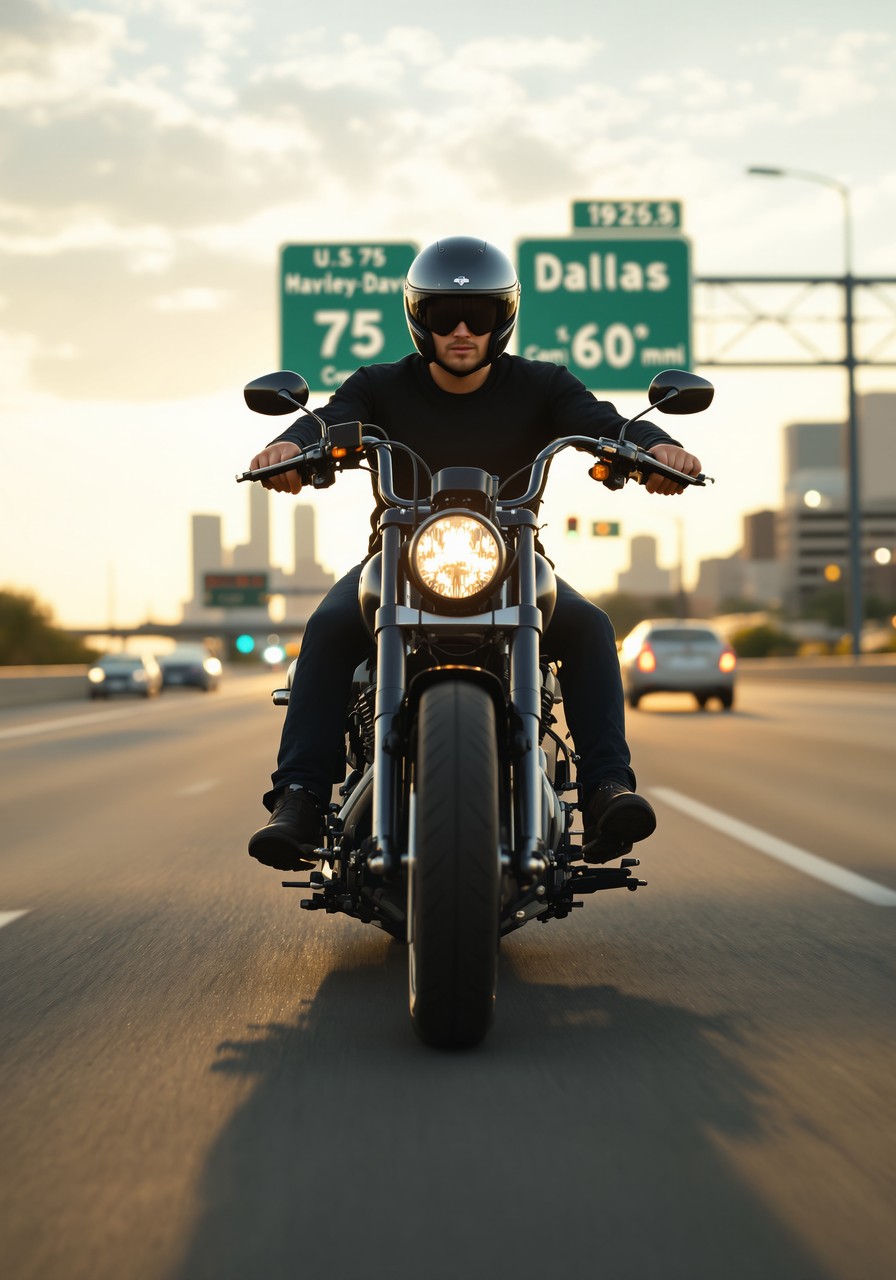
US-75 Central Expressway is a fact of DFW life, not a fun ride. Keep your following distance long and your lane splitting nonexistent, because it is not legal in Texas. #RideNationDFW #DallasMotorcycles #NorthTexas
Gear & New Iron
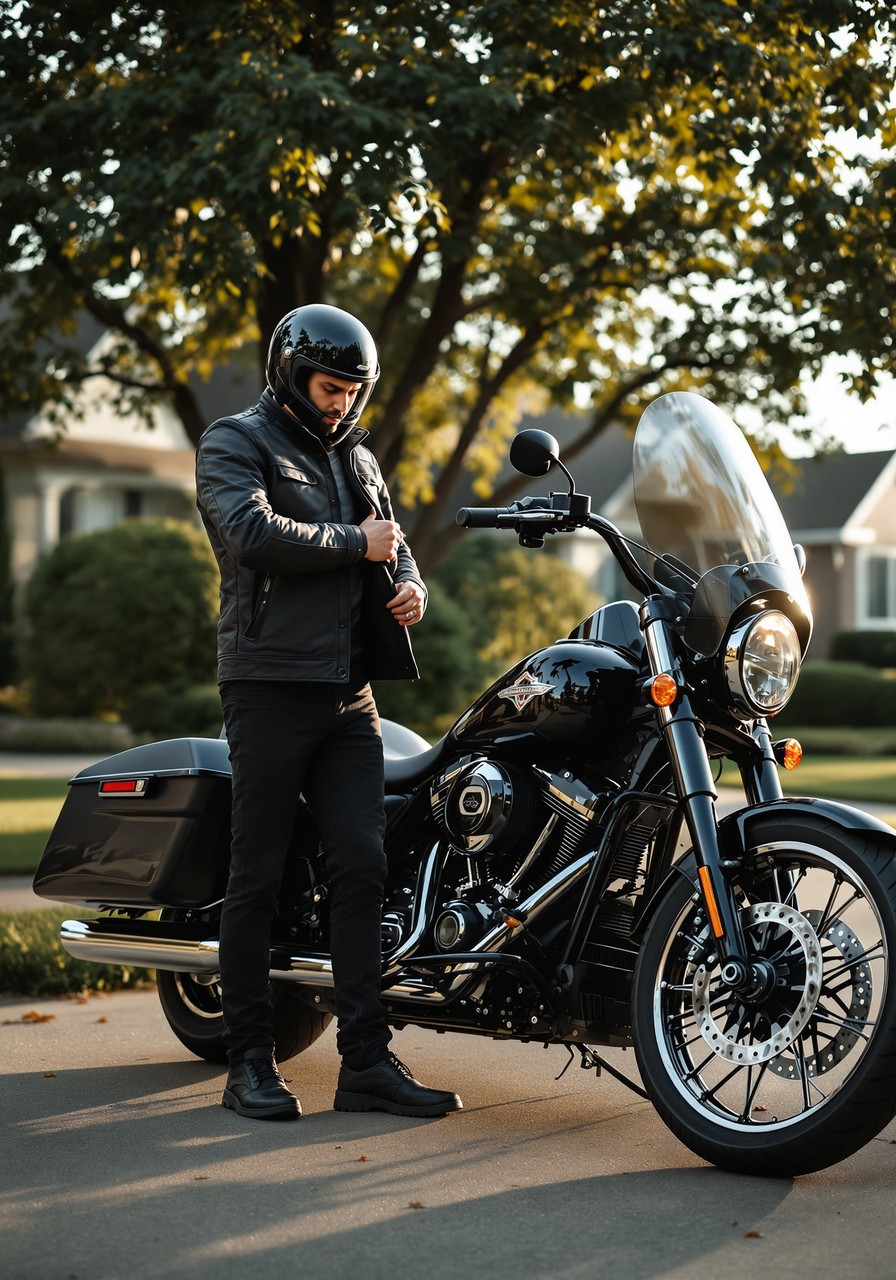
In August heat the temptation is to ride in a t shirt. Do not. Road rash at 45 mph does not care how hot you were. ATGATT stands even in July. #RideNationDFW #ATGATT #TexasHeat
Safety & TX Law
You get two years in Texas to file an injury claim. Wait too long and the door closes for good, no matter how strong your case was. Hurt in a crash? Do not sit on it. Manuel Diaz, 214-800-2086. #RideNationDFW #TexasLaw #KnowYourRights
Engagement
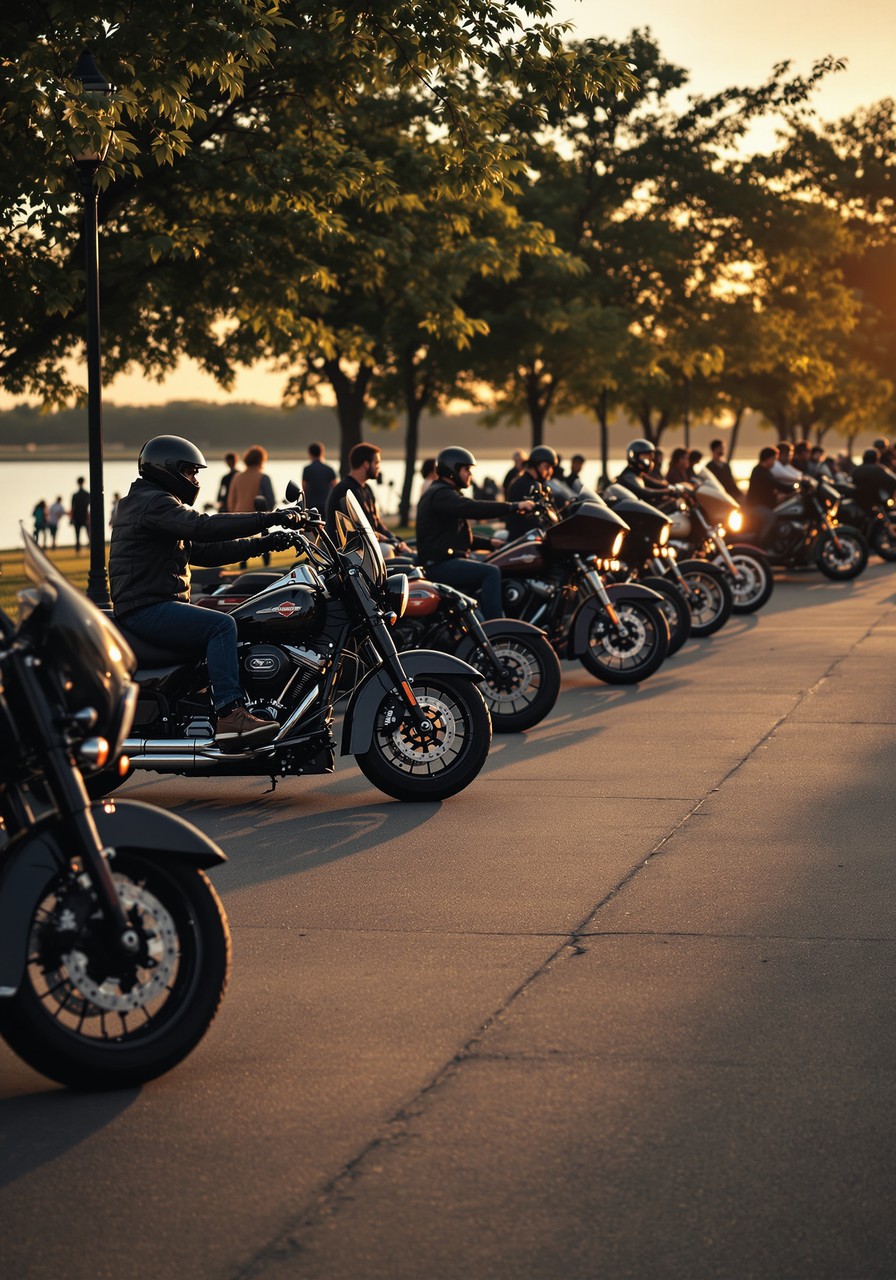
This or that. Twisties or wide-open Texas highway? Where do you feel most at home? #RideNationDFW #TwoWheels #Texas
Giveaway & Countdown
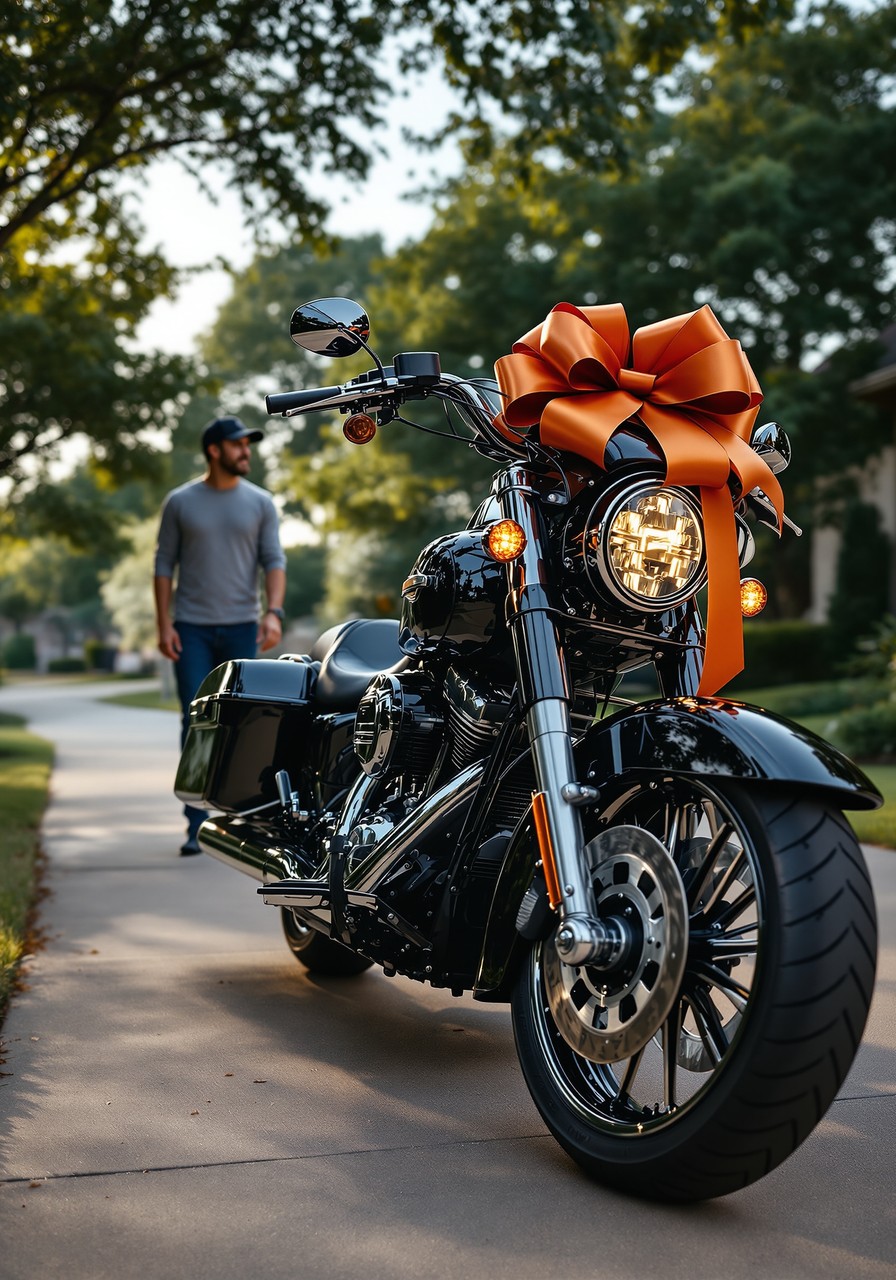
No catch, no cost, no fine print games. Just $20,000 toward the motorcycle of your choice. Enter free before December 10, link in comments. #RideNationDFW #BikersWin #20kGiveaway
Local DFW & Rides
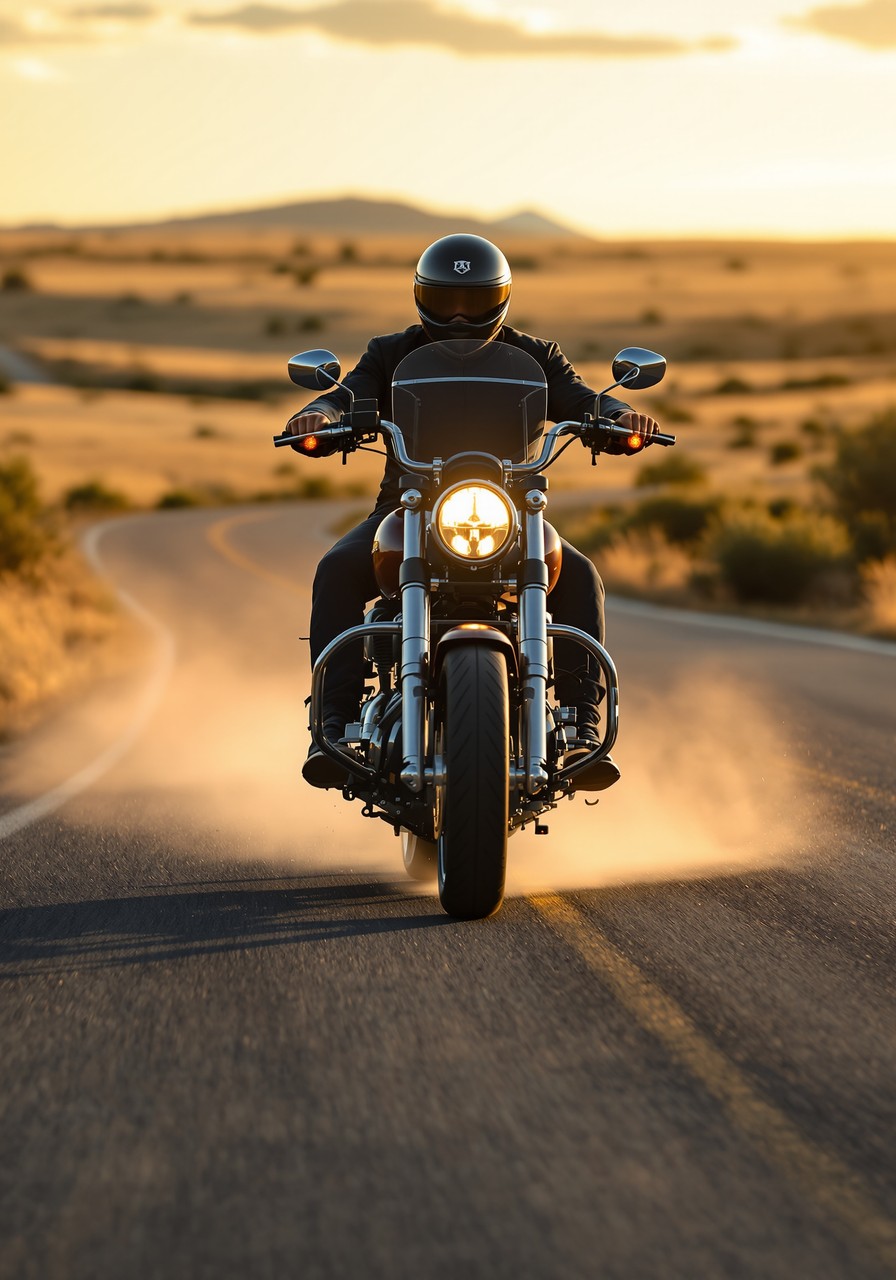
Dallas North Tollway moves fast and merges hard. Ride it like everyone in a lifted truck cannot see you, because most of them cannot. #RideNationDFW #DallasMotorcycles #TexasRiding
Gear & New Iron
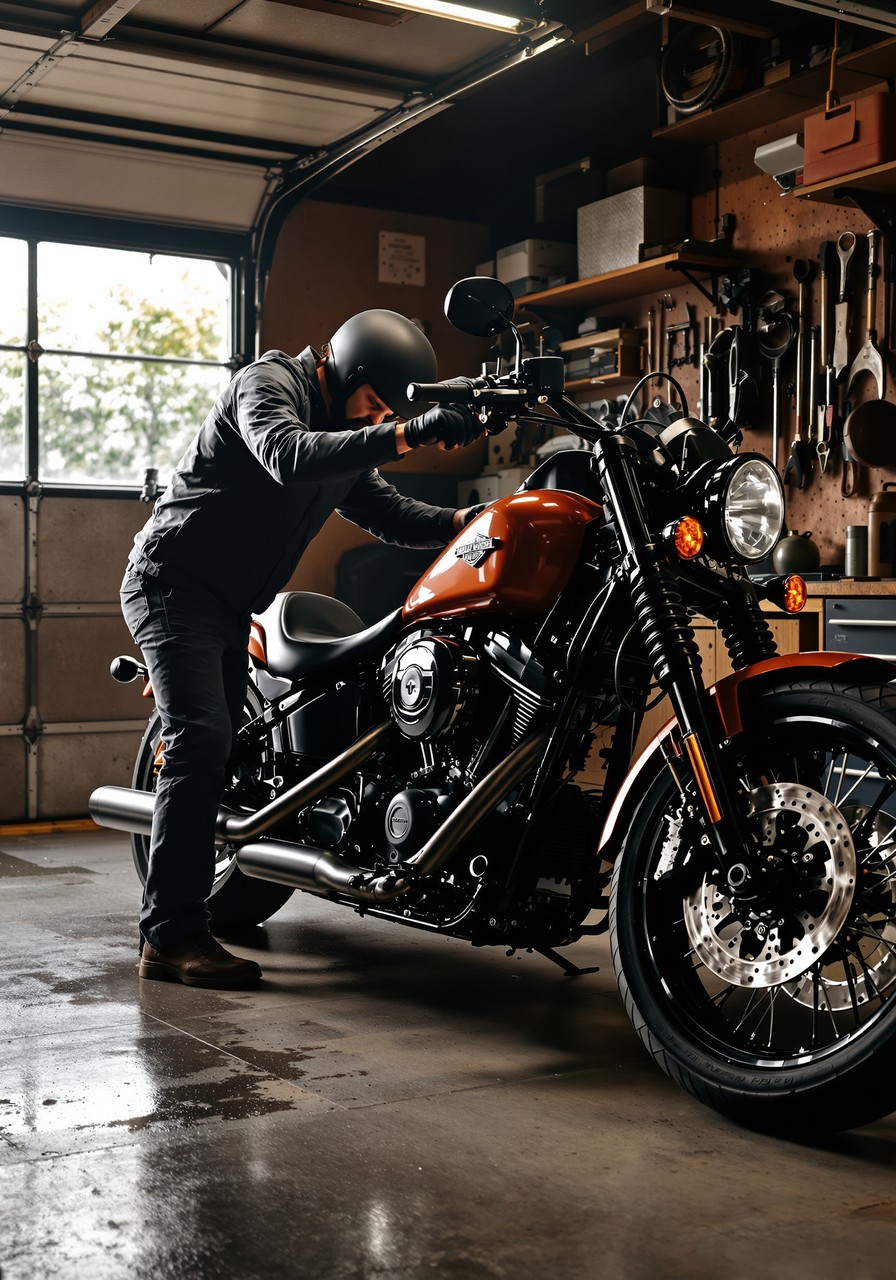
Those December cold snaps sneak up on DFW riders. A 70 degree morning can drop 30 degrees by dusk. Pack a layer even when the forecast looks mild. #RideNationDFW #RiderTips #GearUp
Safety & TX Law
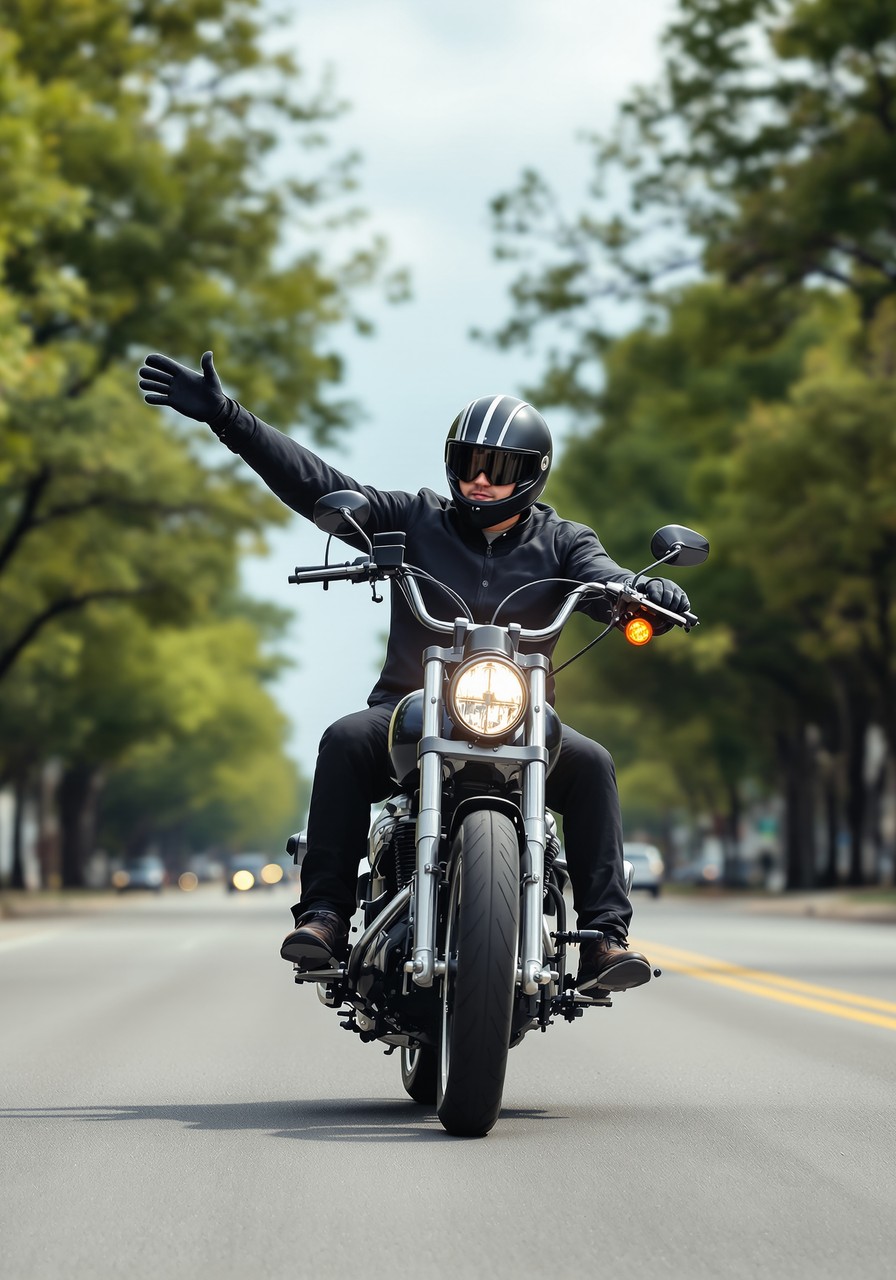
The clock starts the day of the wreck. Texas gives you two years to file, and evidence fades long before that. Talk to someone early. Diaz Law Firm, no cost to talk, 214-800-2086. #RideNationDFW #KnowYourRights #RiderSafety
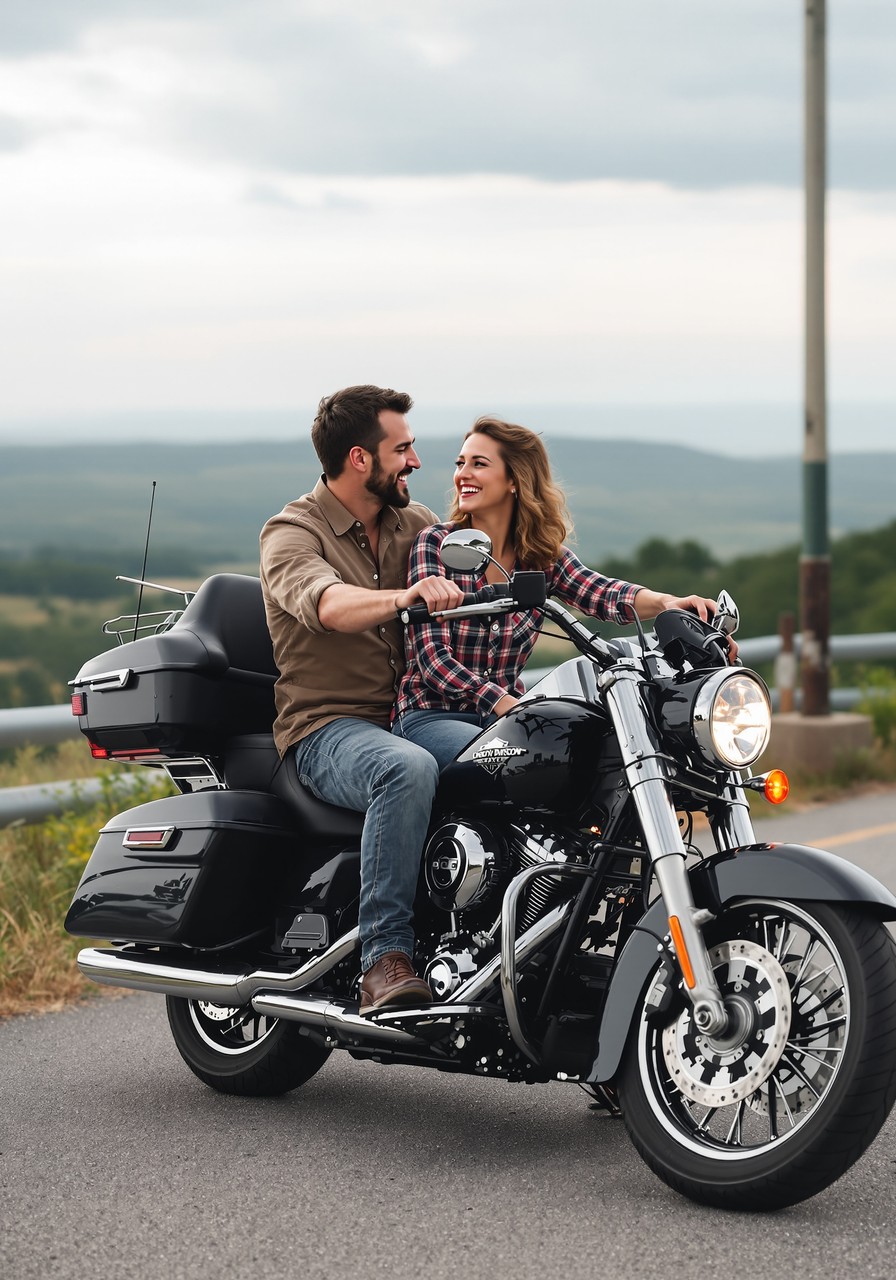
Engagement
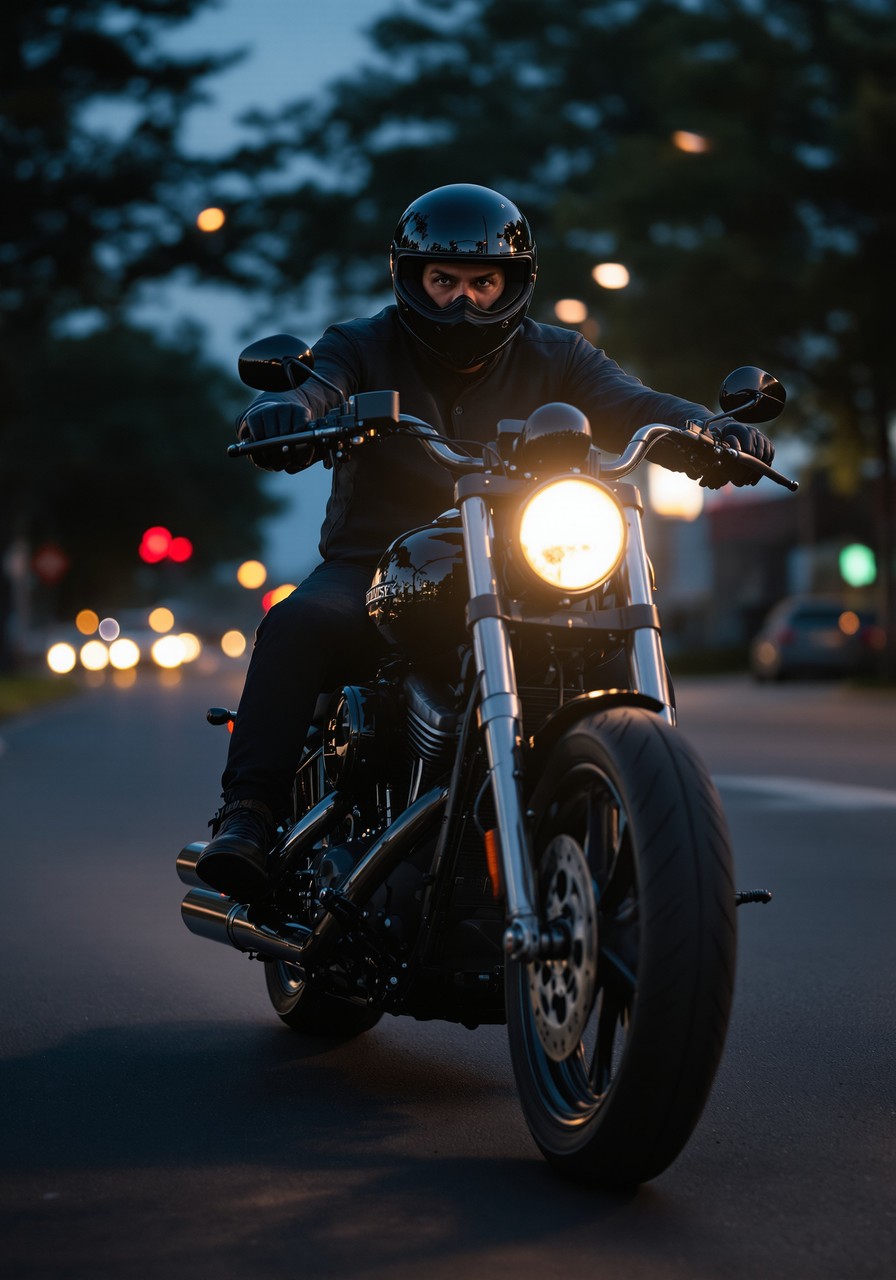
Caption this photo like it is the cover of your riding memoir. Best title wins. #RideNationDFW #CaptionThis #DallasMotorcycles
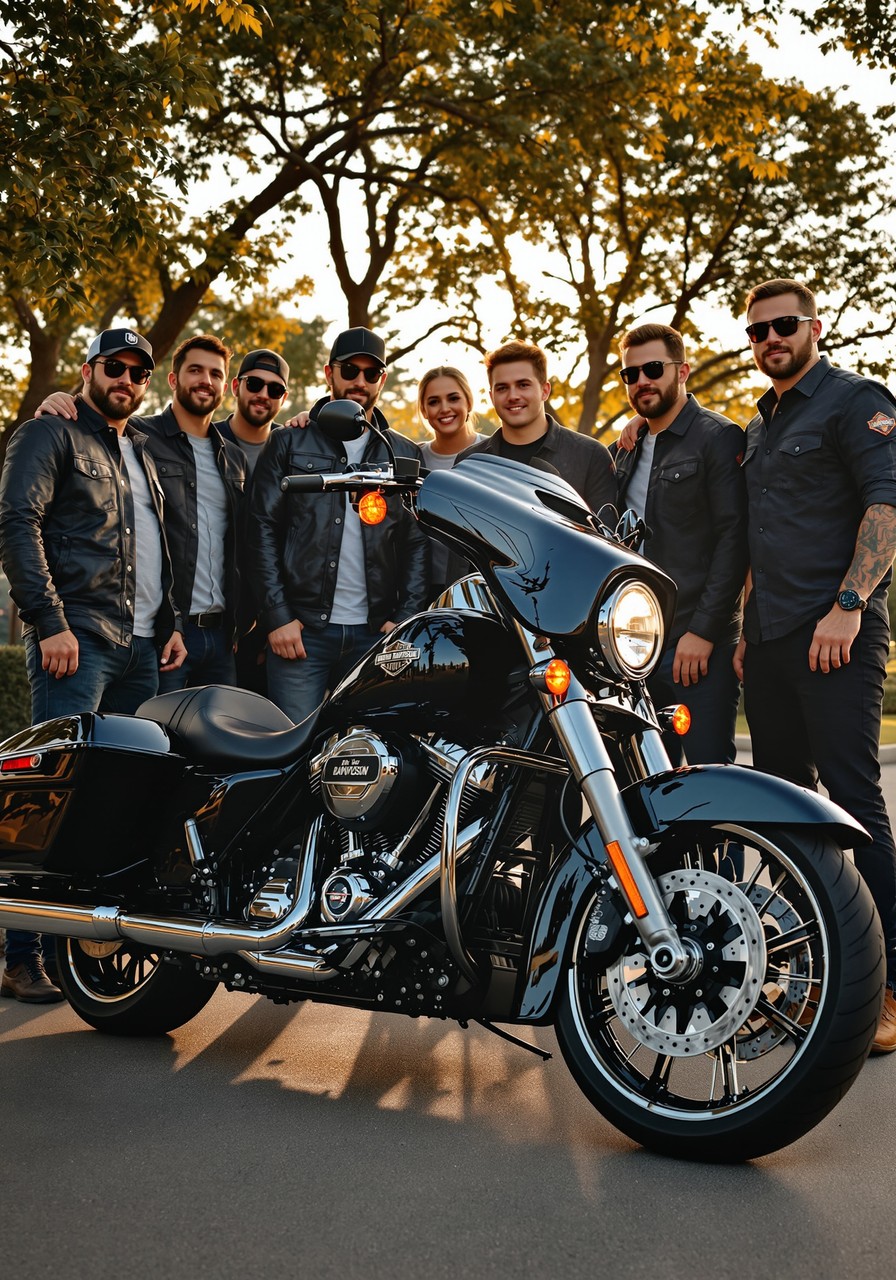
Giveaway & Countdown
What would $20,000 buy in your garage? A new cruiser? A dream sport bike? Tell us below, then enter free. Drawn December 10, entry link in the comments. #RideNationDFW #WinABike #DFWRiders
Local DFW & Rides
I-635 LBJ construction shifts lanes without much warning. Watch for fresh seams, dropped edges, and gravel where the barrels moved overnight. #RideNationDFW #NorthTexas #DFWRiders
Gear & New Iron
Cold hands are slow hands. When the temps drop into the 30s, thin summer gloves let your fingers go numb on the levers. Grab a winter pair. #RideNationDFW #GearUp #RiderTips
Safety & TX Law
Two years feels like a lot until it is gone. That is the Texas deadline on an injury claim, and skid marks and witnesses do not wait. Hurt riding? Call Manuel Diaz, 214-800-2086. #RideNationDFW #TexasLaw
Engagement
Fill in the blank. December in Texas means ______ riding weather. #RideNationDFW #TexasRiders #DFWRiders
Giveaway & Countdown
One week to go. The BikersWin $20,000 giveaway draws December 10 and it is still free to enter. Do not let this one pass you by. Link in comments. #RideNationDFW #20kGiveaway #DallasMotorcycles
Local DFW & Rides
The High Five stack is a marvel to look at and a mess to ride in the rain. Those elevated ramps ice over first on a cold morning, so give them room. #RideNationDFW #DallasMotorcycles #NorthTexas
Gear & New Iron
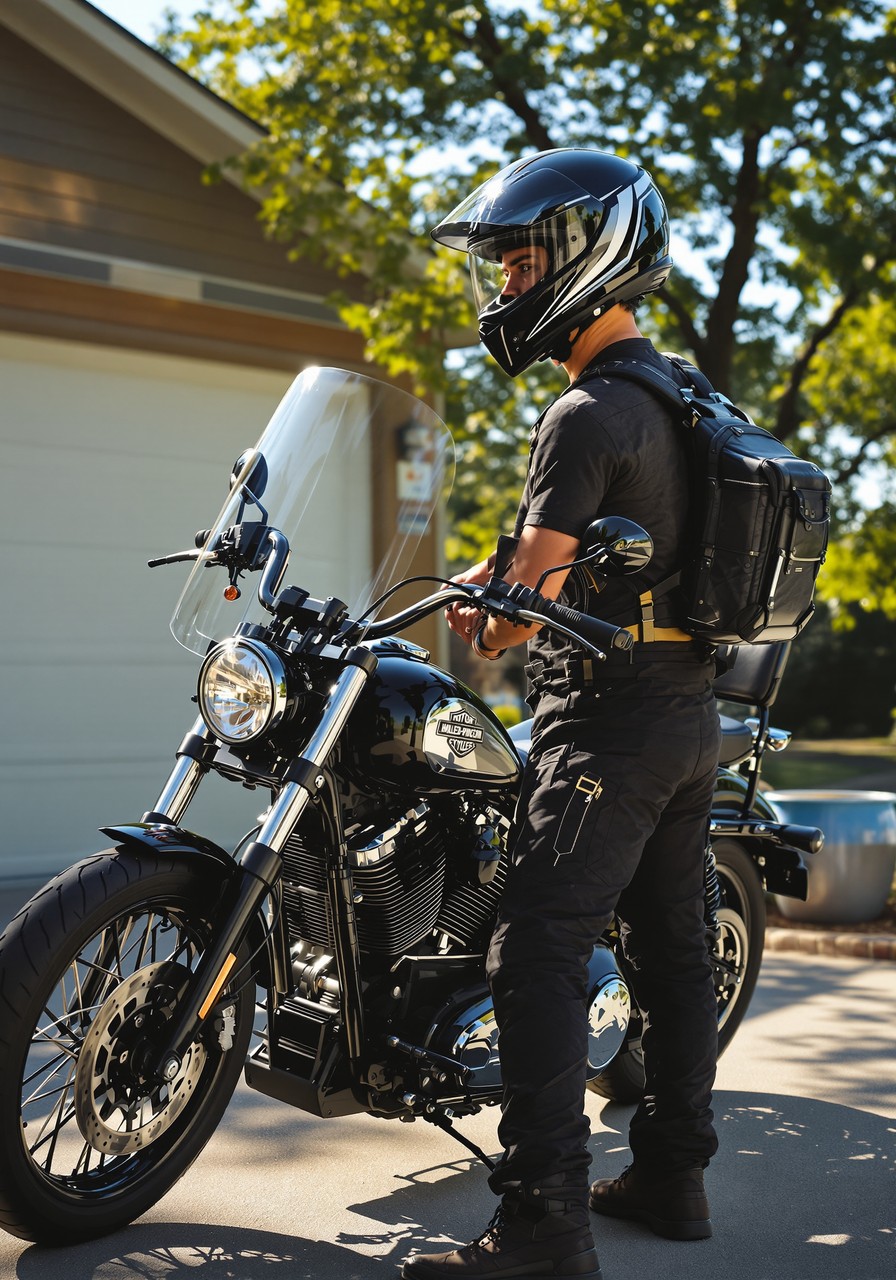
Layering beats one bulky coat. A thin base layer plus a windproof shell traps heat without turning you into a stiff marshmallow on the bike. #RideNationDFW #GearUp #BikerLife
Safety & TX Law
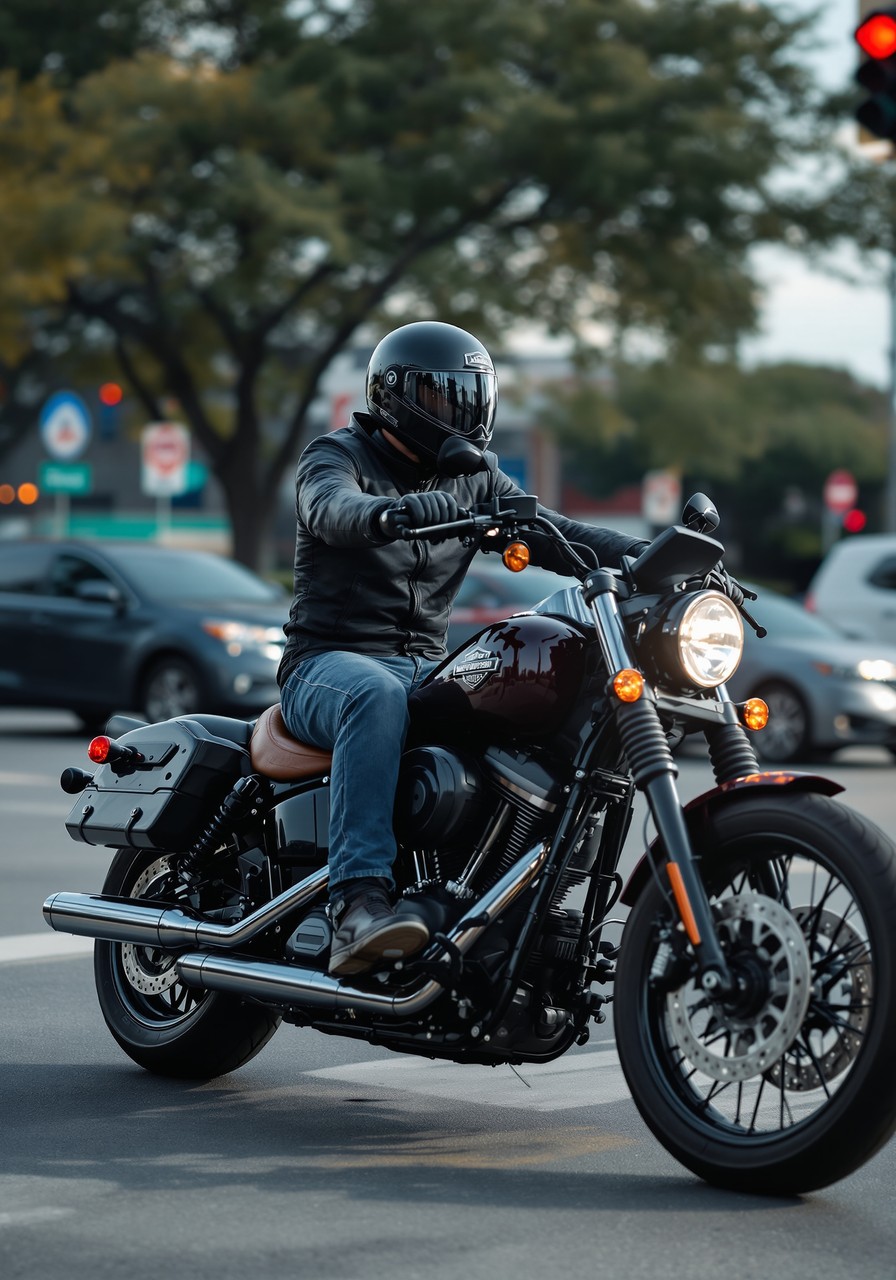
Lane splitting is not legal in Texas. Neither is filtering between stopped cars. Ride like every driver expects you in the lane, because the law does. Questions after a crash? Diaz Law Firm, 214-800-2086. #RideNationDFW #MotorcycleSafety #TexasLaw
Engagement
Tag someone who taught you something about riding. Give them their credit today. #RideNationDFW #BikerLife #TwoWheels
Giveaway & Countdown
You ride hard all year. Let this be the year you win big. $20,000 toward any bike, free entry, drawn December 10. Entry link in the comments. Diaz Law Firm, 214-800-2086. #RideNationDFW #BikersWin #DFWRiders
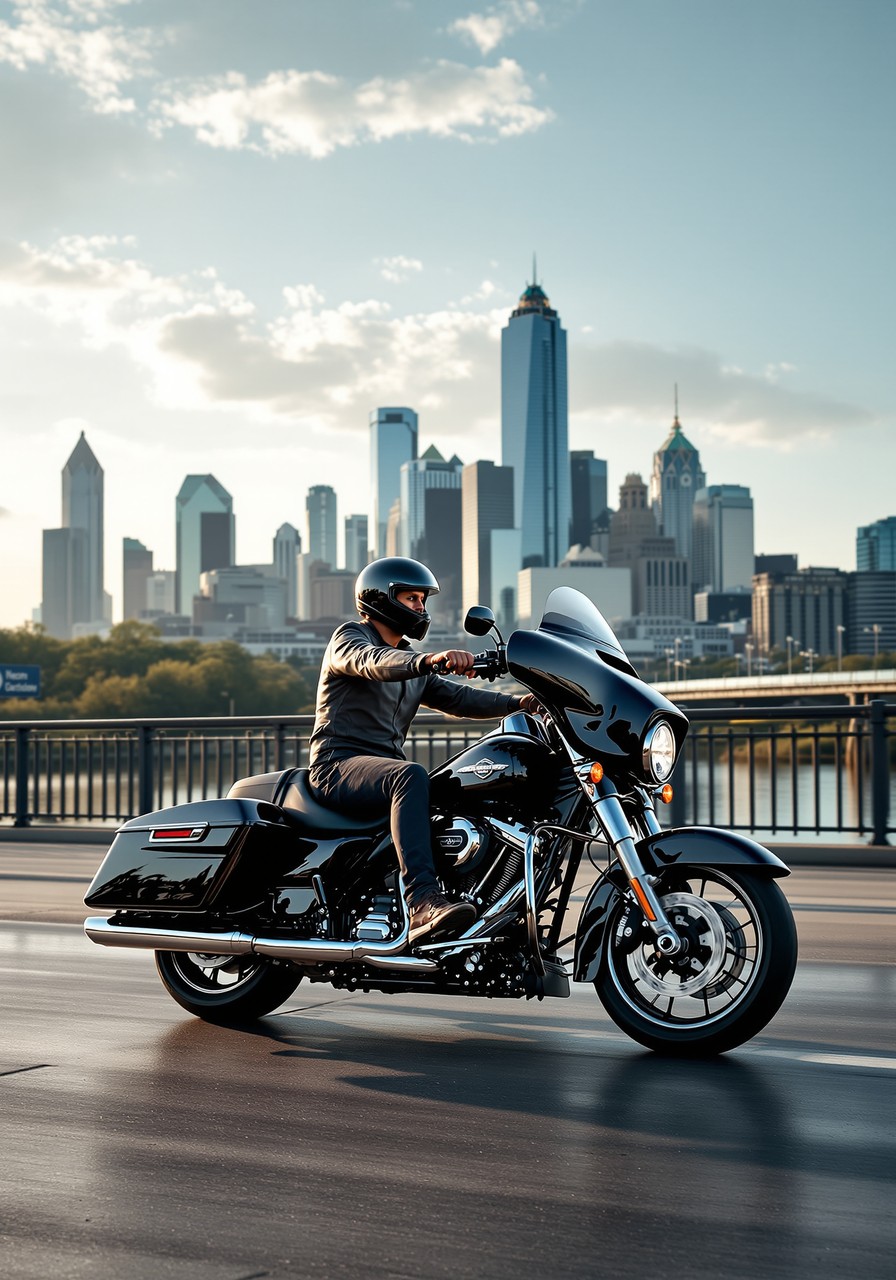
Local DFW & Rides
I-820 loop around Fort Worth is your fastest way around town and your best chance to get cut off. Cover your brakes through every interchange. #RideNationDFW #FortWorth #TexasRiding
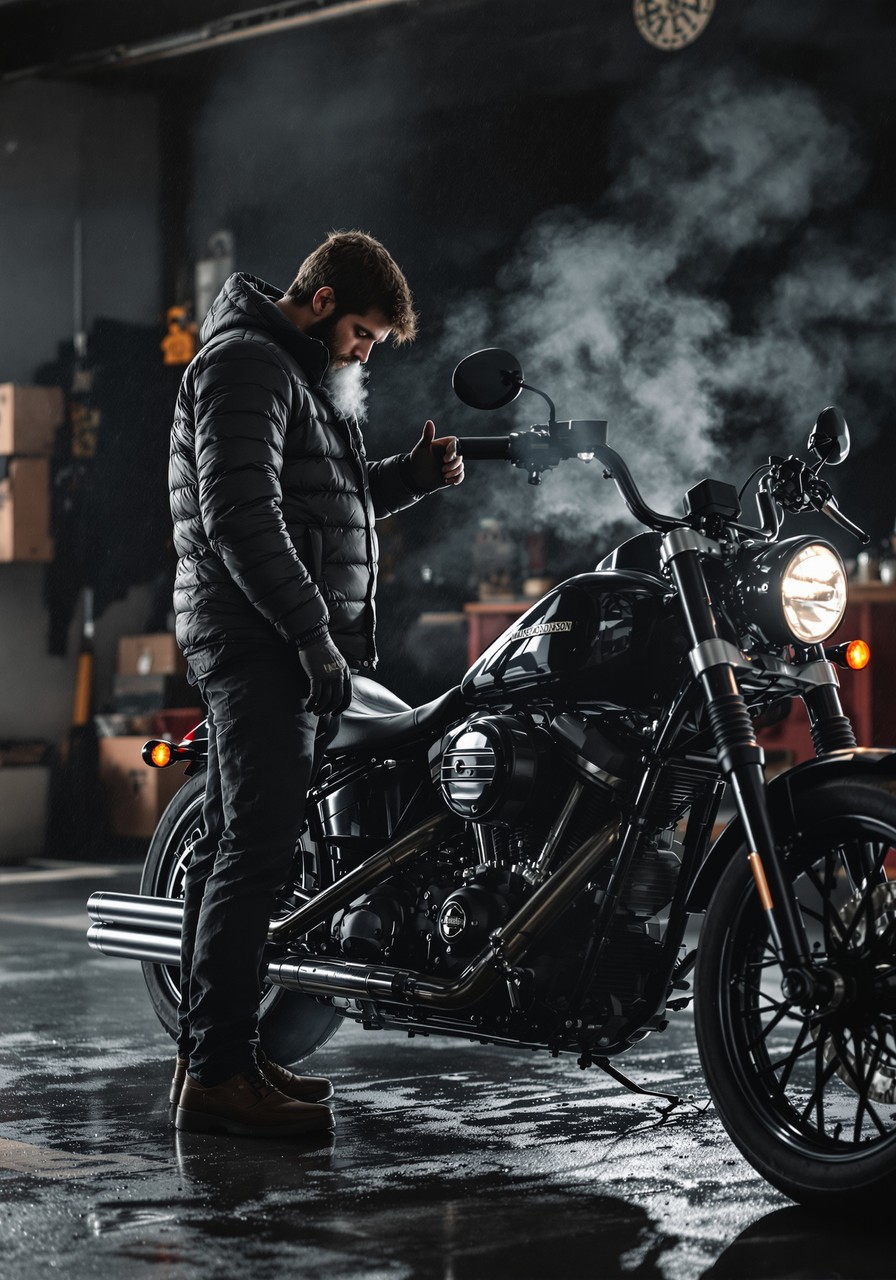
Gear & New Iron
Windchill on the highway is brutal in a Texas cold snap. 45 degrees standing still feels like 30 at 65 mph. Dress for the wind, not the thermometer. #RideNationDFW #RiderTips #GearUp
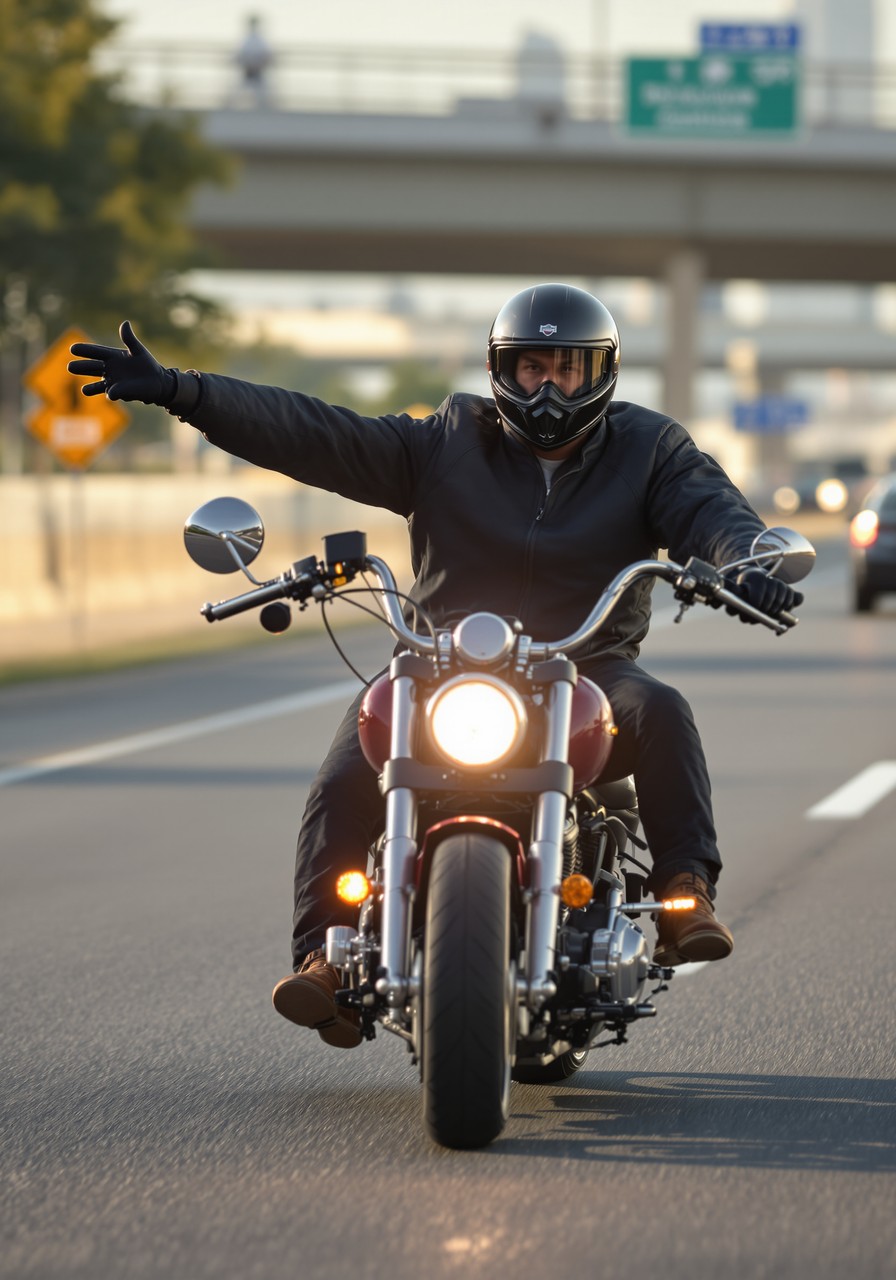
Safety & TX Law
No, Texas has not legalized lane splitting or filtering. Slipping between lanes can put the fault on you if it goes wrong. Hold your lane. Hurt out there? Manuel Diaz rides for you, 214-800-2086. #RideNationDFW #RiderSafety #KnowYourRights
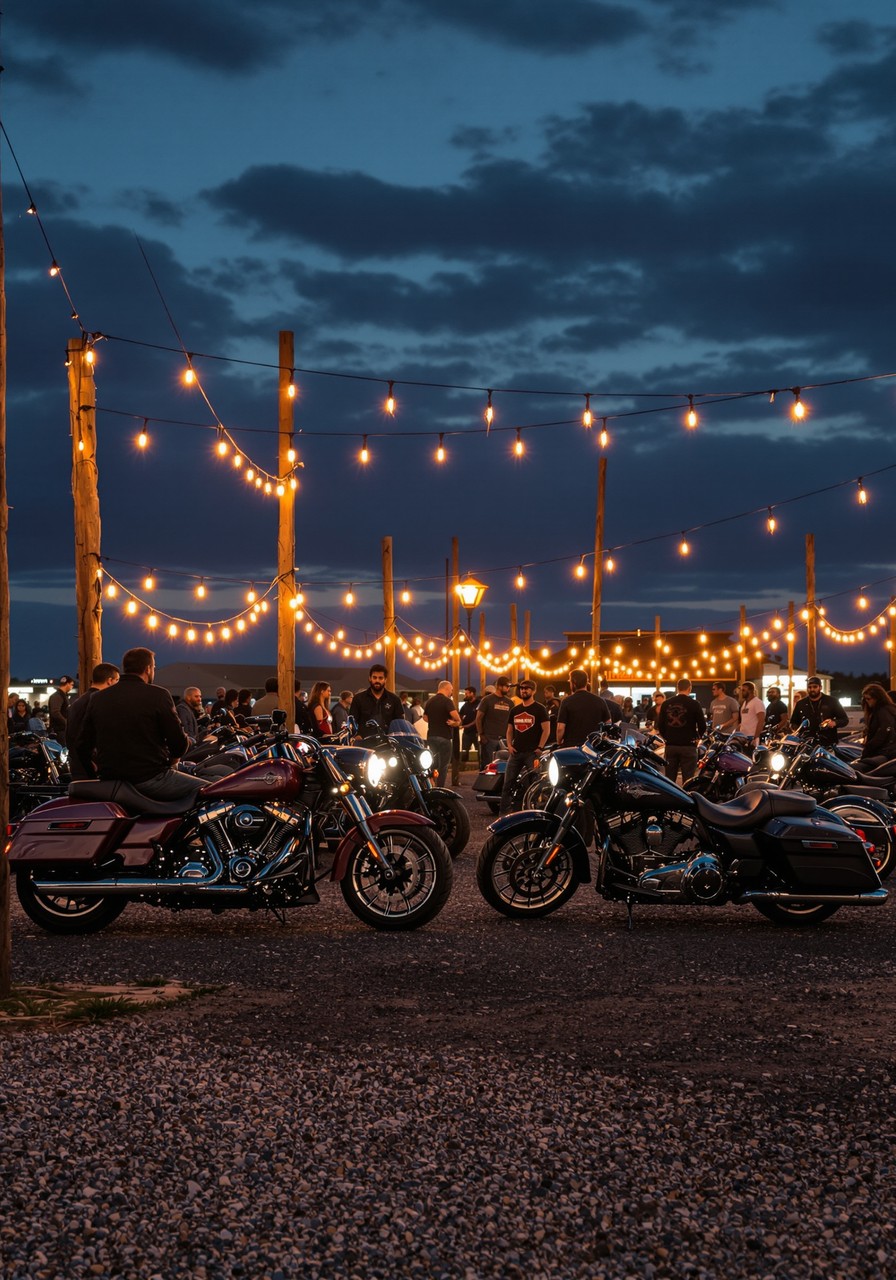
Engagement
Poll time. Solo rides or group rides? No wrong answer, but pick one. #RideNationDFW #RideOrDie #DFWRiders
Giveaway & Countdown
Why not you? Somebody from this community could take home $20,000 toward a new ride. Enter free, link in comments. #RideNationDFW #MotorcycleGiveaway #WinABike
Local DFW & Rides
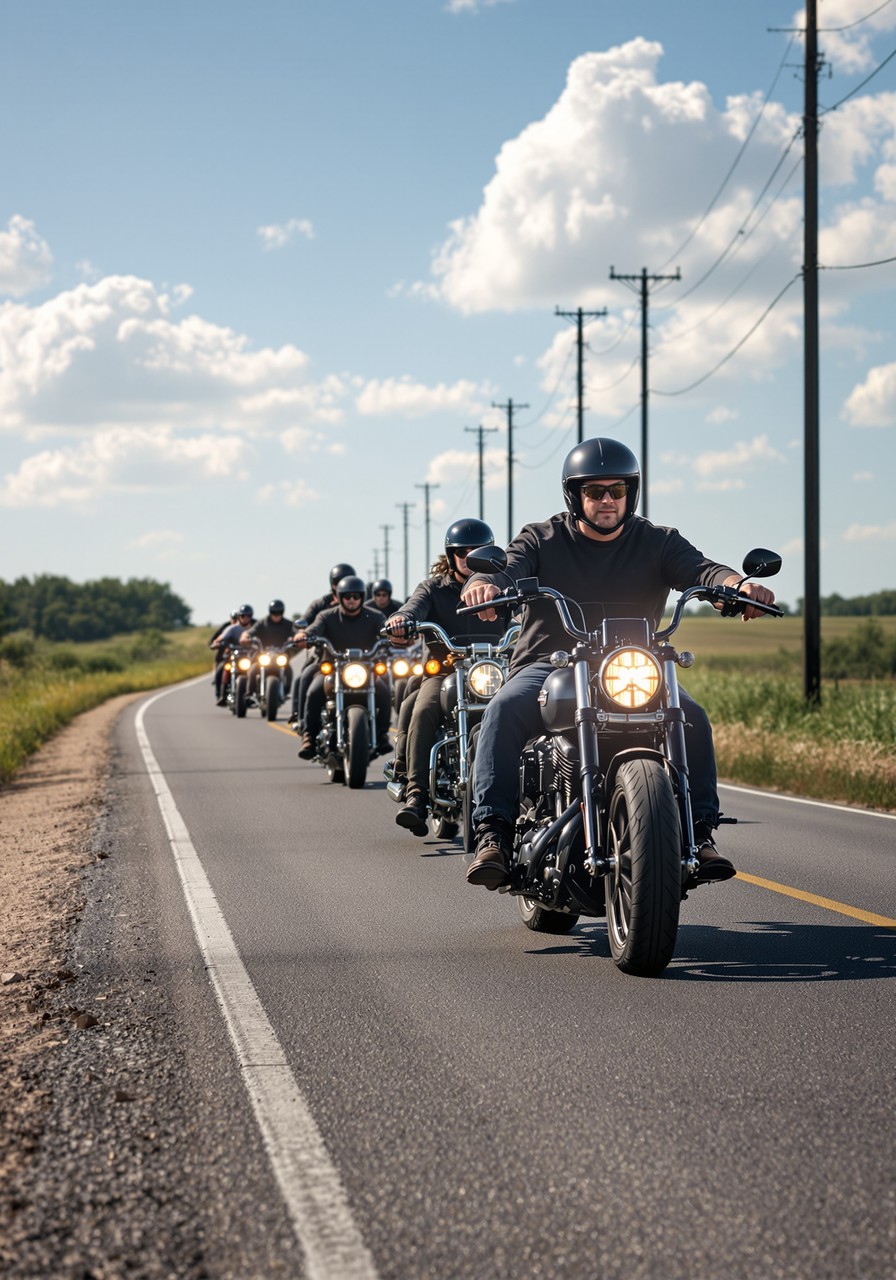
I-30 between Fort Worth and Dallas is not a scenic ride, it is a commute. Save the fun for the farm roads and treat the interstate as pure transport. #RideNationDFW #DFWRiders #NorthTexas
Gear & New Iron
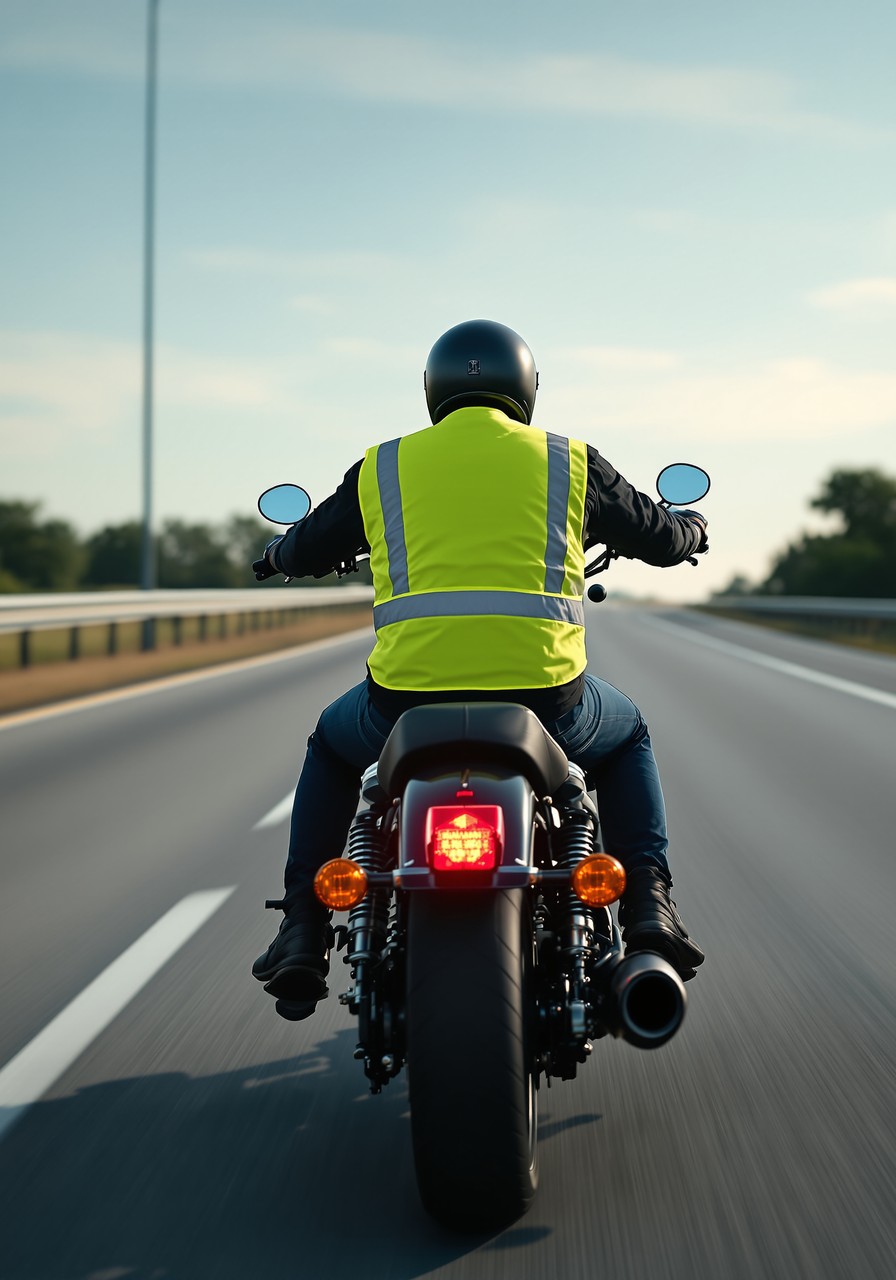
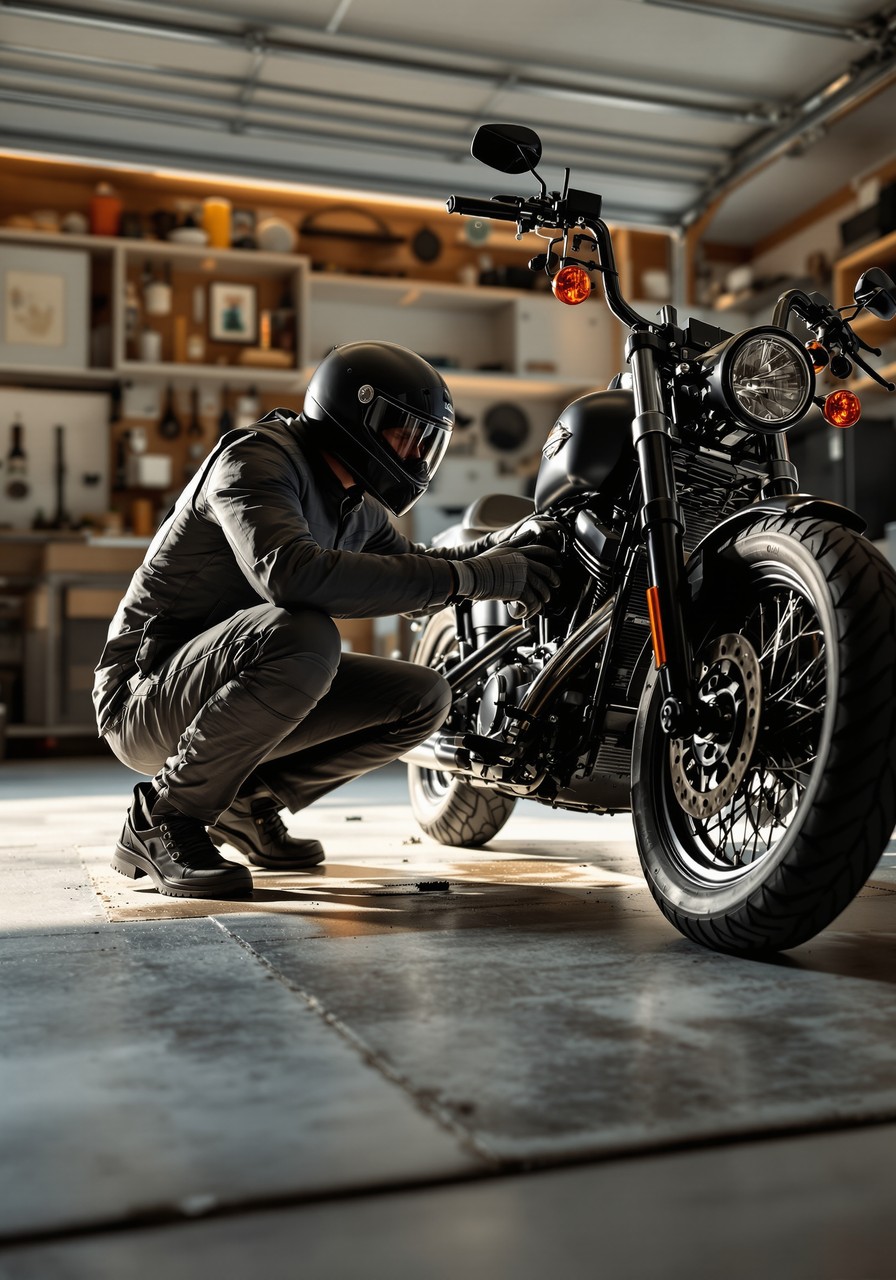
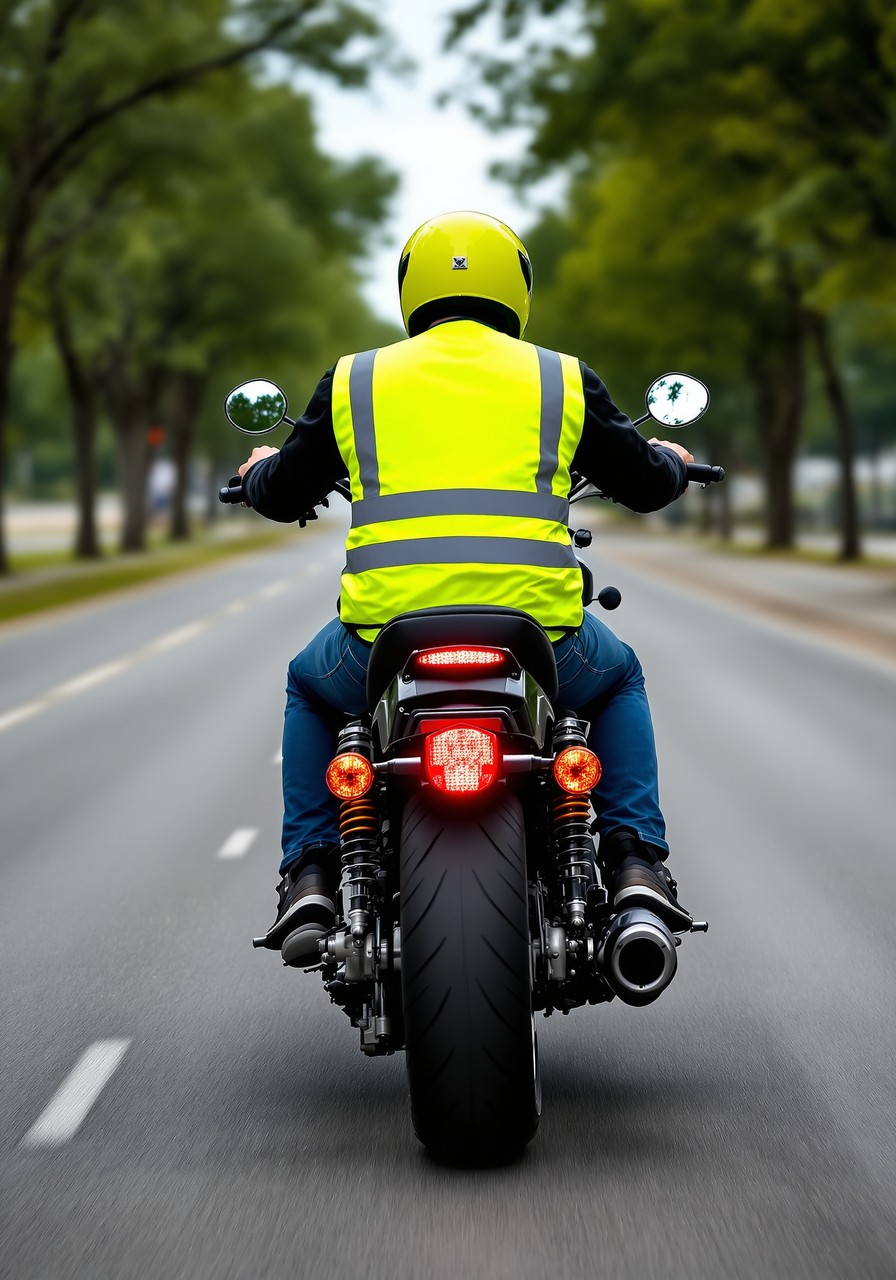
Hi viz is not a fashion statement, it is a survival tool. A bright vest or jacket makes you visible to the driver who is not really looking. #RideNationDFW #GearUp #RiderTips
Safety & TX Law
Splitting lanes might be legal a few states over, but not here. In Texas it is still a no. Keep your lane and keep your leverage if a driver hits you. Questions? Diaz Law Firm, 214-800-2086. #RideNationDFW #TexasLaw #MotorcycleSafety
Engagement
First bike you ever owned. Drop the make and model, let's build the list. #RideNationDFW #TwoWheels #DallasMotorcycles
Giveaway & Countdown
Free to enter, riders 18 and up, one winner takes $20,000 toward any motorcycle. Two minutes and you are in. Entry link in the comments. #RideNationDFW #BikersWin #FreeToEnter
Local DFW & Rides
I-35 construction seems permanent because it basically is. Loose gravel, uneven lanes, and sudden slowdowns are the norm, so leave yourself an out. #RideNationDFW #TexasRiding #NorthTexas
Gear & New Iron
Most cagers who hit riders say they never saw the bike. Give them fewer excuses. Reflective gear and daytime brightness both help you get seen. #RideNationDFW #ATGATT #DFWRiders
Safety & TX Law
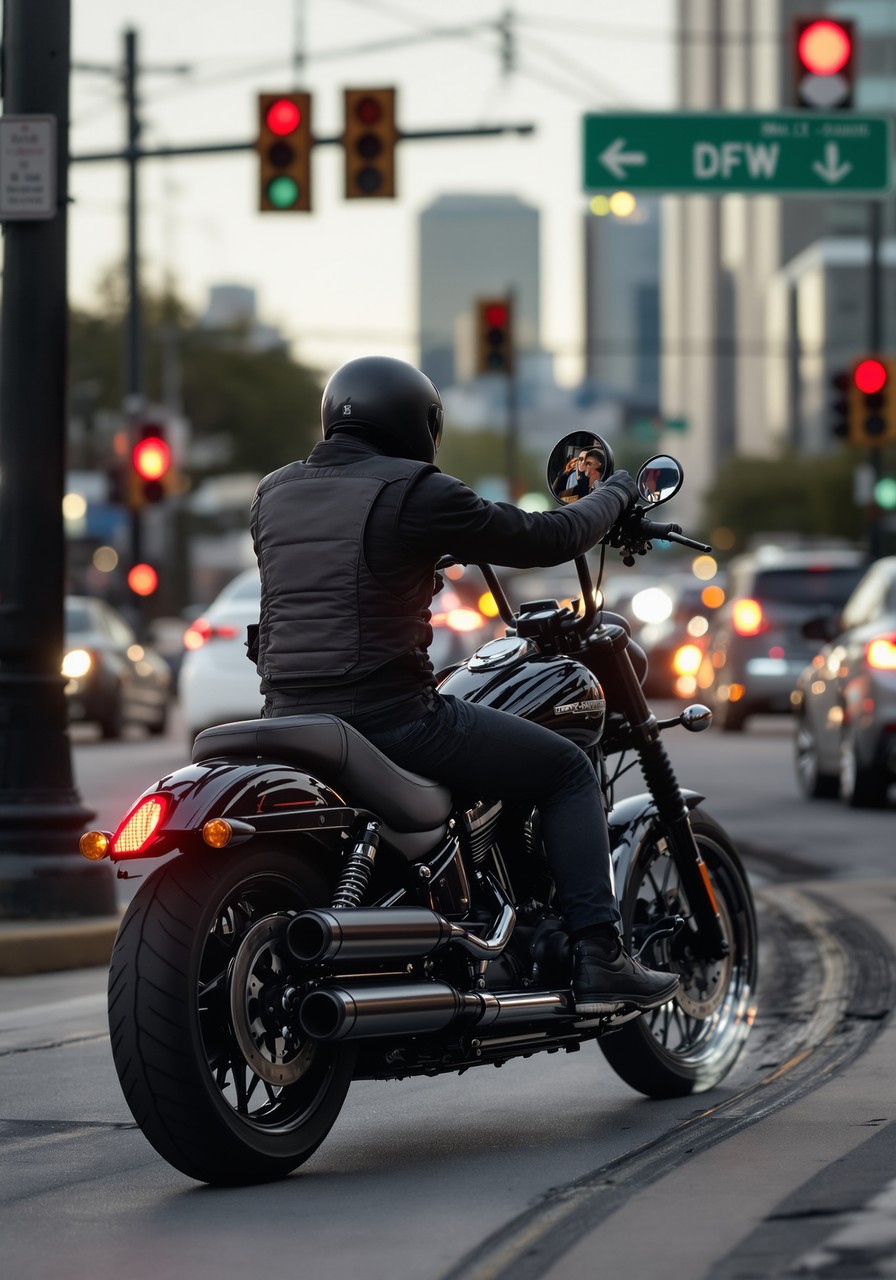
Hit by a driver who takes off? A hit-and-run is exactly what your own UM coverage is built for. It steps in when there is no one else to bill. Talk it through with Manuel Diaz, 214-800-2086. #RideNationDFW #UninsuredMotorist #KnowYourRights
Engagement
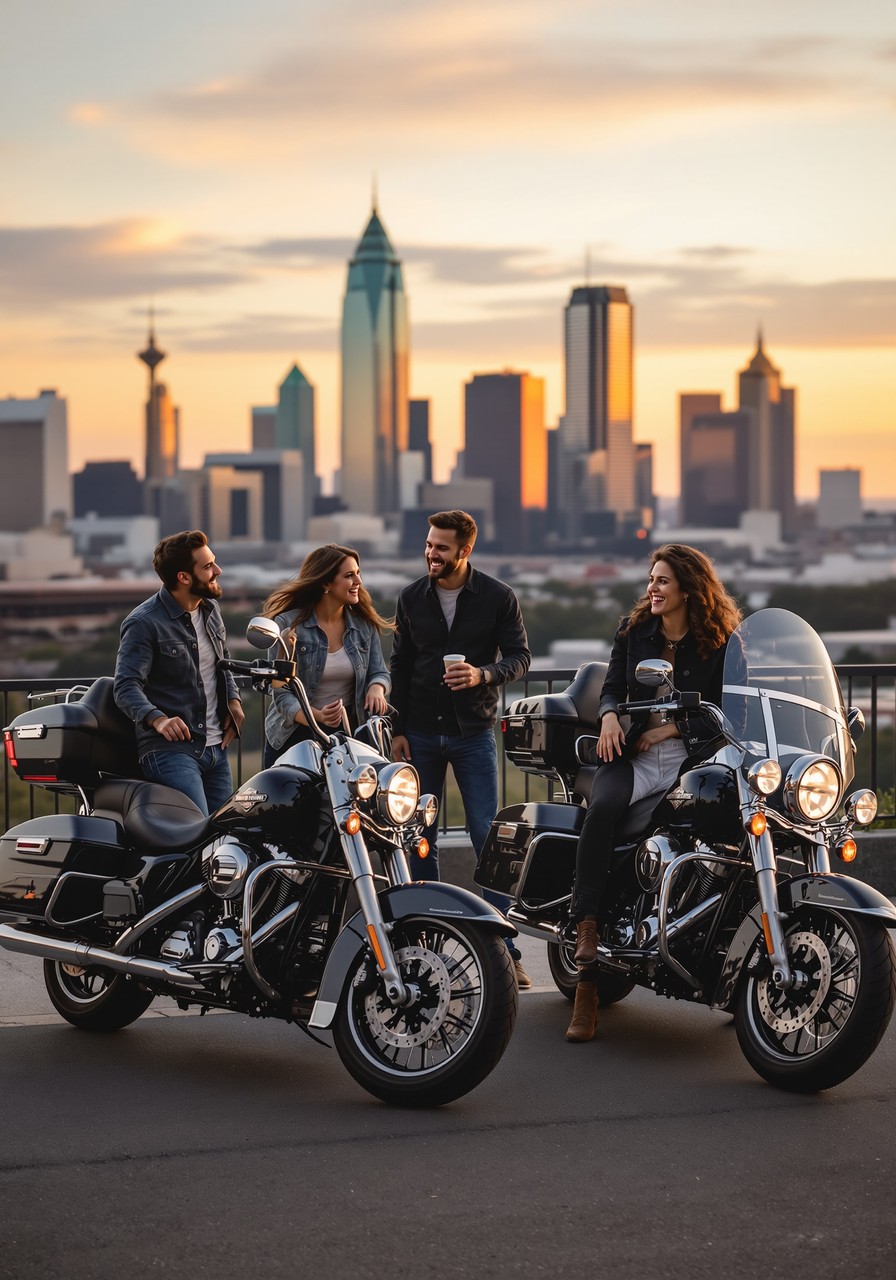
This or that. Coffee stop or gas station snack run mid-ride? #RideNationDFW #FortWorth #TexasRiders
Giveaway & Countdown
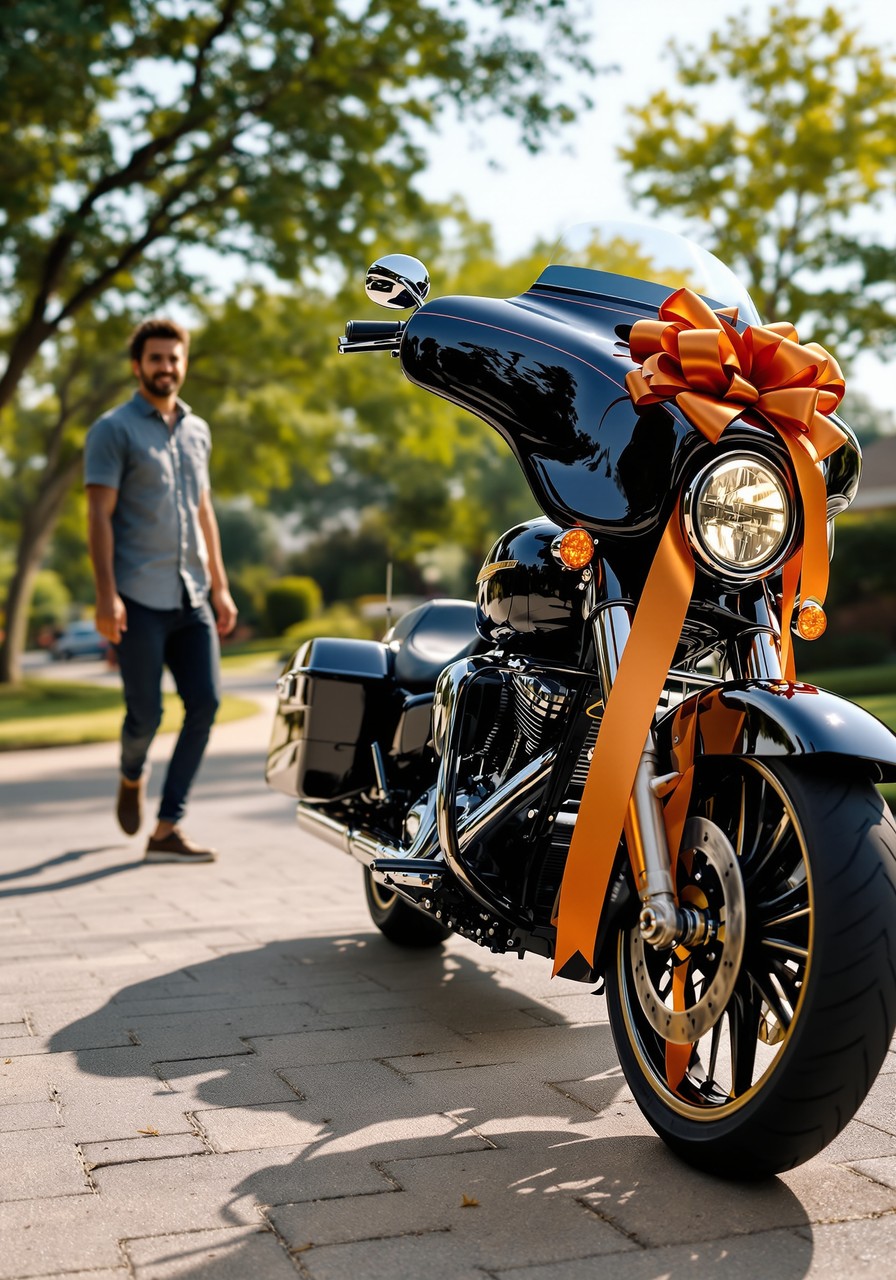
Imagine telling the crew you won $20,000 toward your next bike. That story starts with one free entry. Drawn December 10, link in comments. #RideNationDFW #20kGiveaway #DallasMotorcycles
Local DFW & Rides
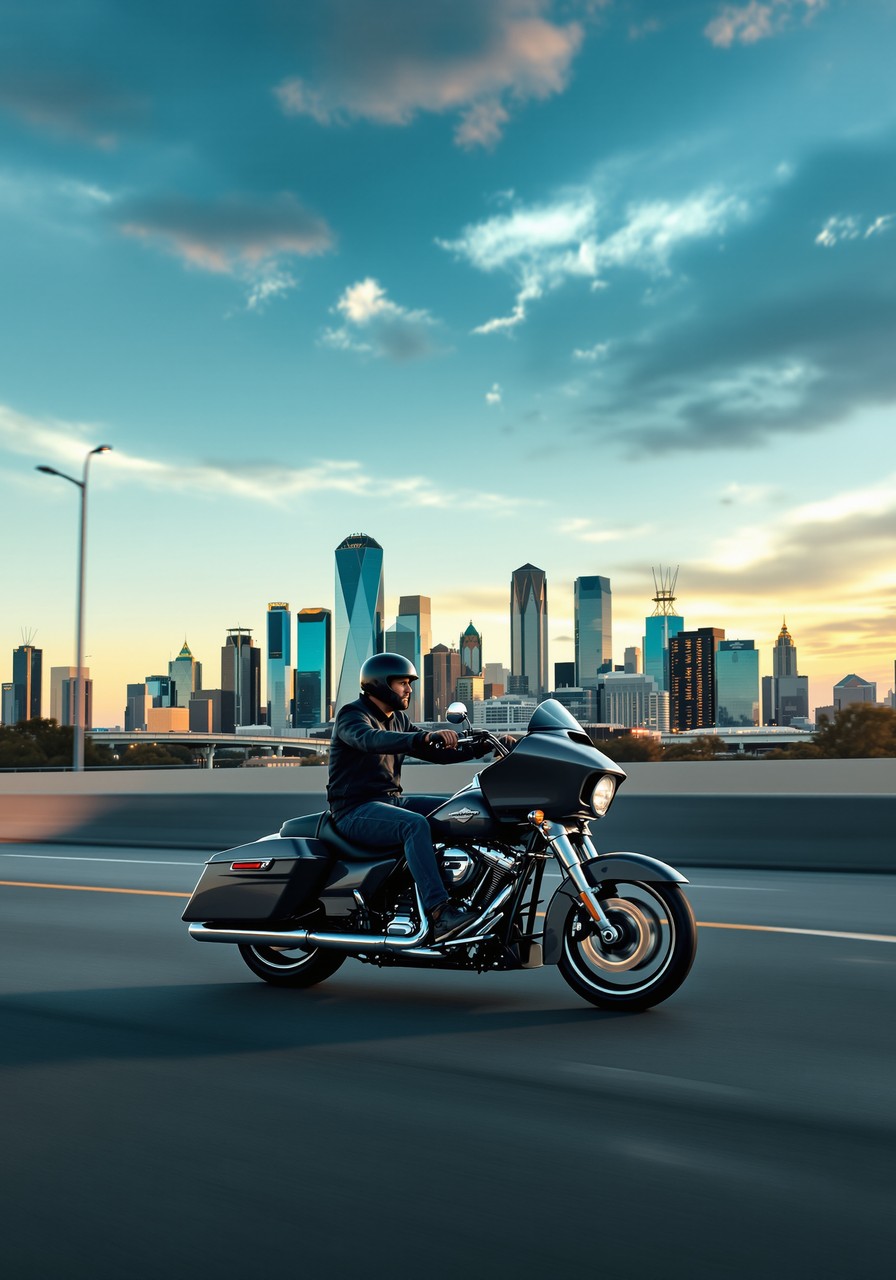
Texas winters are mild enough to ride most of December through February. Layer up, chase the warm afternoons, and you can keep the bike out all season. #RideNationDFW #TexasRiding #NorthTexas
Gear & New Iron
Boots over the ankle, always. Sneakers roll and tear. A real riding boot protects the ankle bones that a foot down at a stop light puts at risk. #RideNationDFW #ATGATT #GearUp
Safety & TX Law
Uninsured driver puts you down and you are stuck, unless you carry UM. Then your own policy picks up the slack. That is why it matters. Hurt in a crash? Diaz Law Firm, no cost to talk, 214-800-2086. #RideNationDFW #UninsuredMotorist
Engagement
Finish this. You know you are a DFW rider when ______. #RideNationDFW #DFWRiders #Texas
Giveaway & Countdown
The draw is almost here. December 10 is coming fast and the BikersWin giveaway is free to enter. Get your name in. Entry link in the comments. Diaz Law Firm, 214-800-2086. #RideNationDFW #MotorcycleGiveaway #DFWRiders
Local DFW & Rides
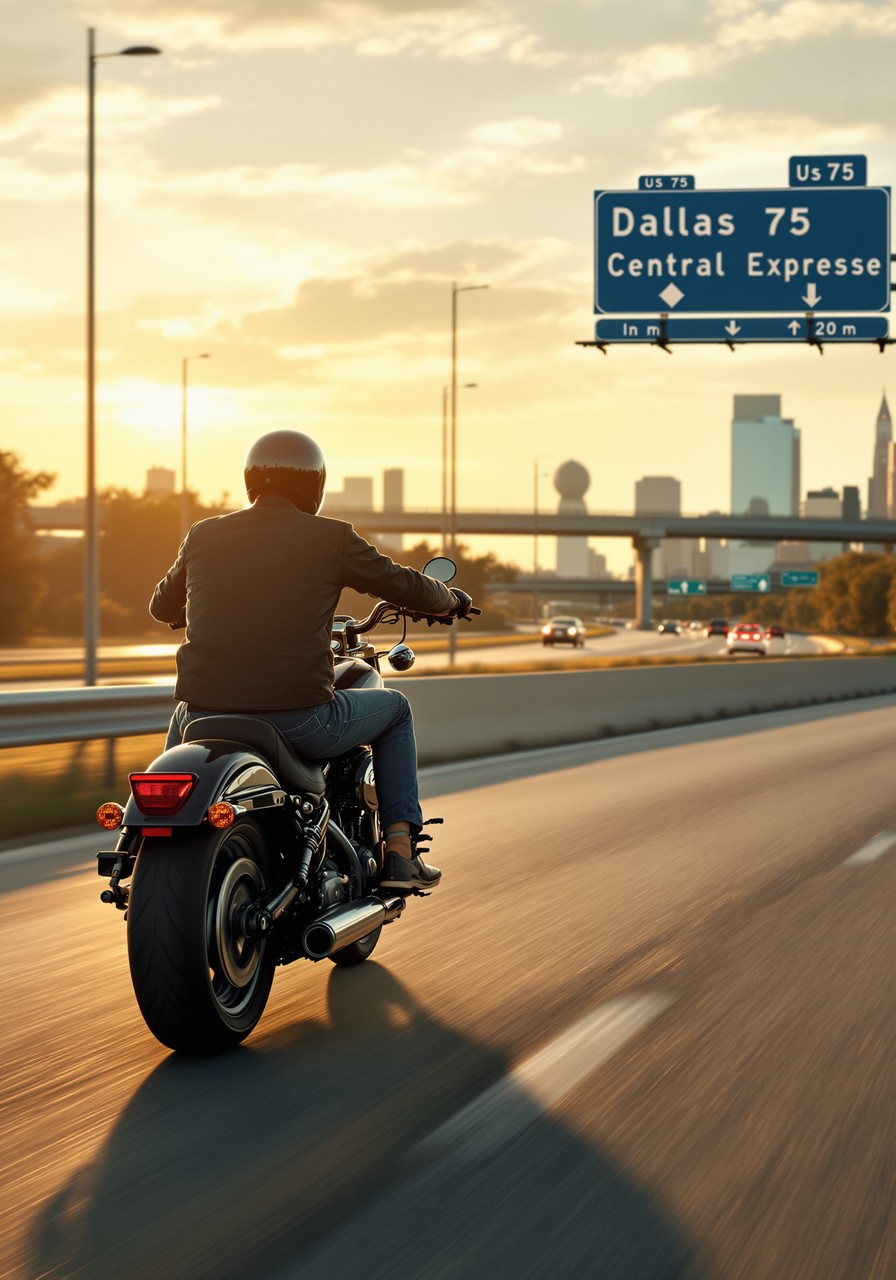
North Texas cold snaps arrive fast. A 70 degree lunch ride can turn into a 40 degree ride home, so pack a warm layer even when the morning feels like spring. #RideNationDFW #NorthTexas #TexasRiding
Gear & New Iron
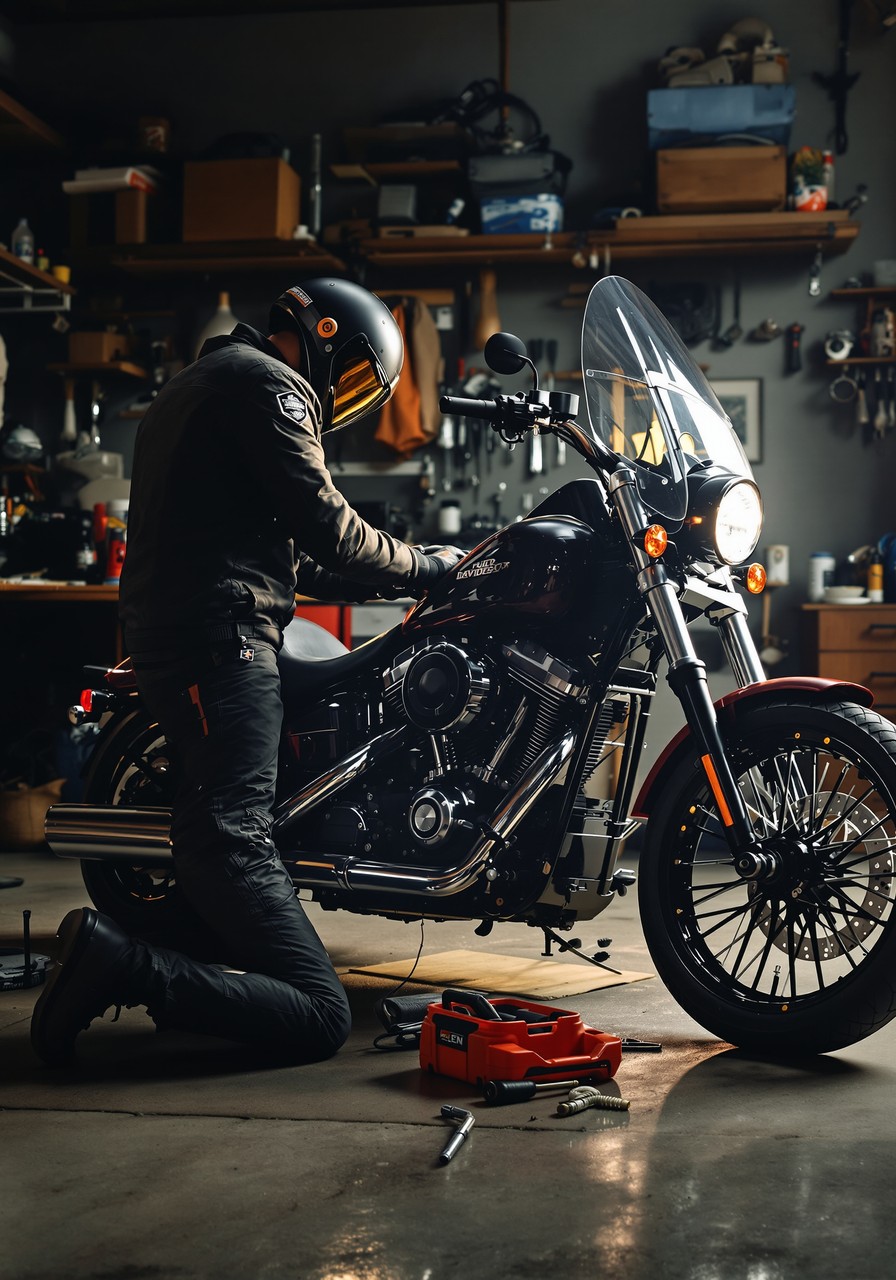
Check your tire date codes. The four digit stamp tells you the week and year it was made. Old rubber goes hard and hard rubber does not grip. #RideNationDFW #MotorcycleMaintenance #RiderTips
Safety & TX Law
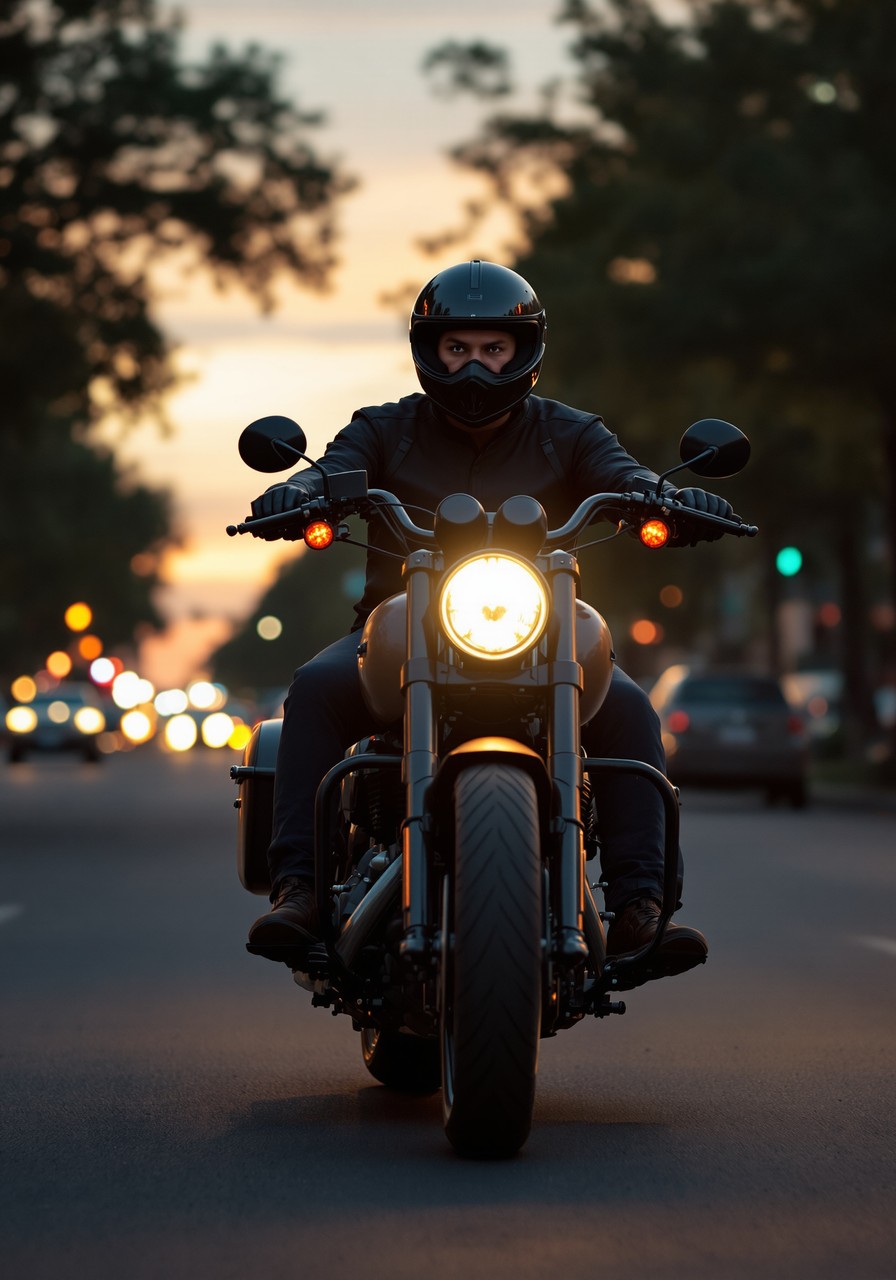
Roughly one in five Texas drivers carries no insurance. Your UM coverage is the only thing standing between you and eating those costs alone. Hurt riding? Manuel Diaz, 214-800-2086. #RideNationDFW #UninsuredMotorist #RiderSafety
Engagement
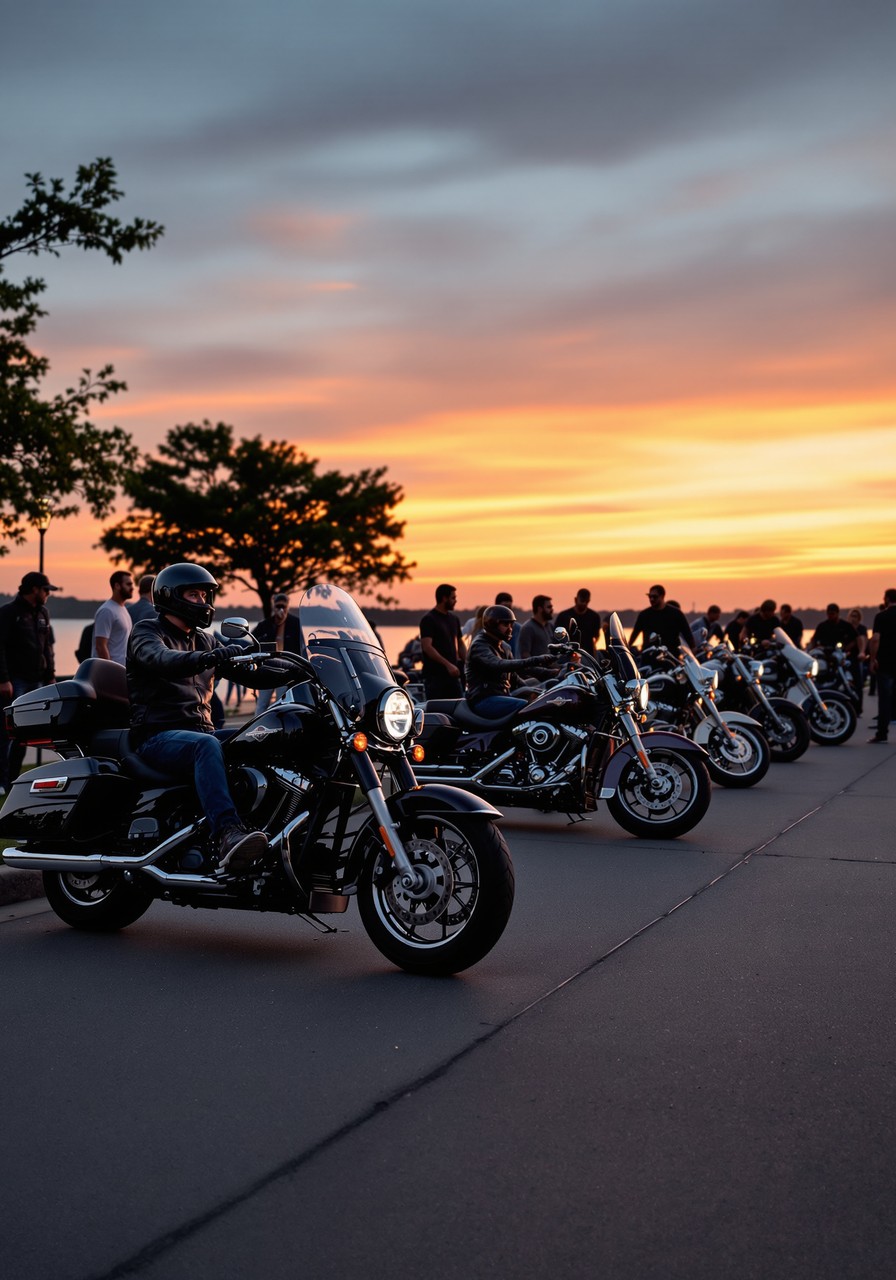
Holiday edition. What is on your two-wheel wish list this year? Dream big. #RideNationDFW #BikerLife #TwoWheels
Giveaway & Countdown
Tag a friend who has been saving for a new bike. Why save when you could win $20,000 toward it? Free to enter, link in comments. #RideNationDFW #WinABike #BikersWin
Local DFW & Rides
Ice storm season is the one time to leave the bike parked. When the overpasses glaze over, no route in DFW is worth it, so wait a day. #RideNationDFW #NorthTexas #DFWRiders
Gear & New Iron
Tread depth matters, but so does age. Even a tire with tread can be dry rotted after six years. Look for cracks in the sidewall. #RideNationDFW #MotorcycleMaintenance #RiderTips
Safety & TX Law
Most bikes go down at an intersection when a car turns left across you. Cover your brakes and watch their front wheel, not their eyes. Hurt anyway? Diaz Law Firm is no cost to talk, 214-800-2086. #RideNationDFW #MotorcycleSafety #RiderSafety
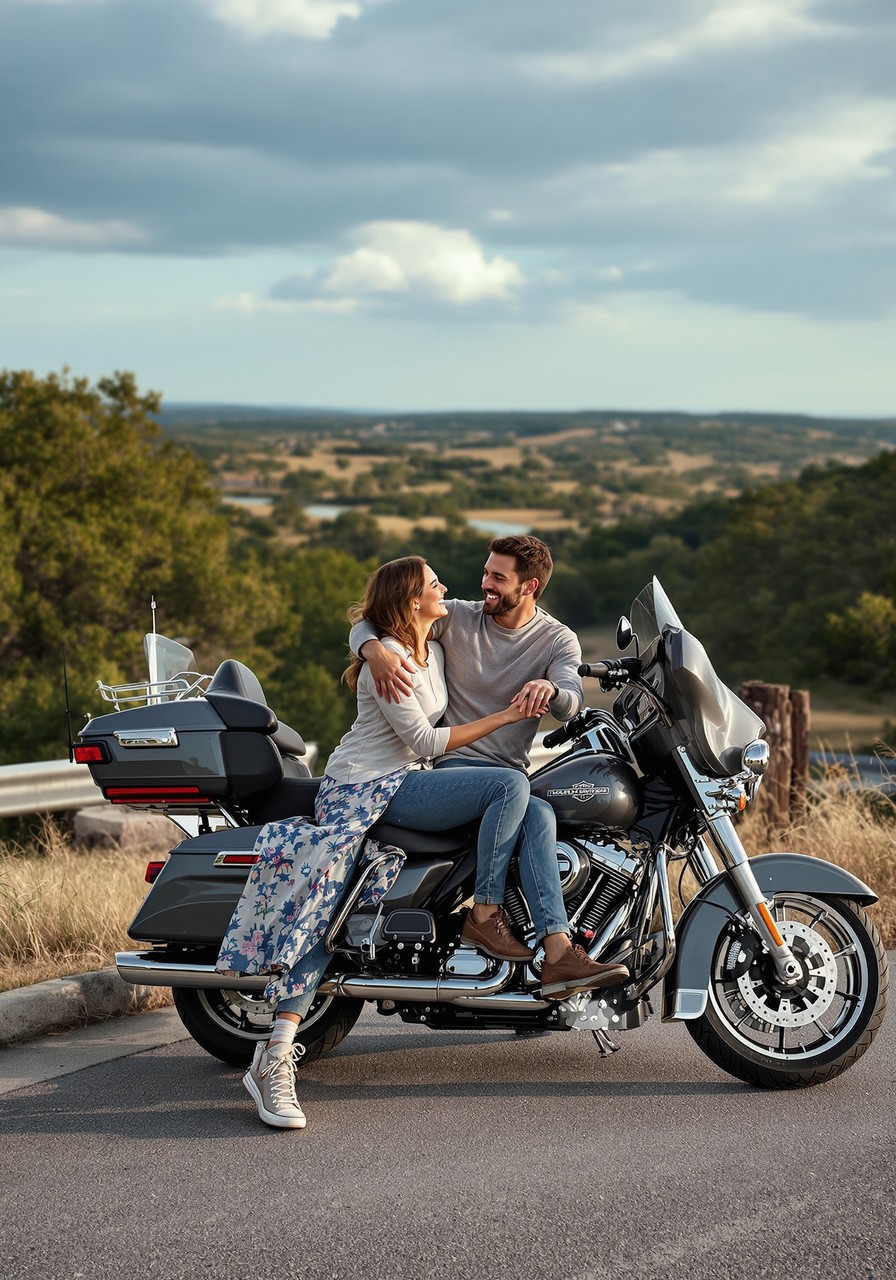
Engagement
Caption this. Cold morning, warm engine, open road. Give us your best line. #RideNationDFW #CaptionThis #TexasRiders
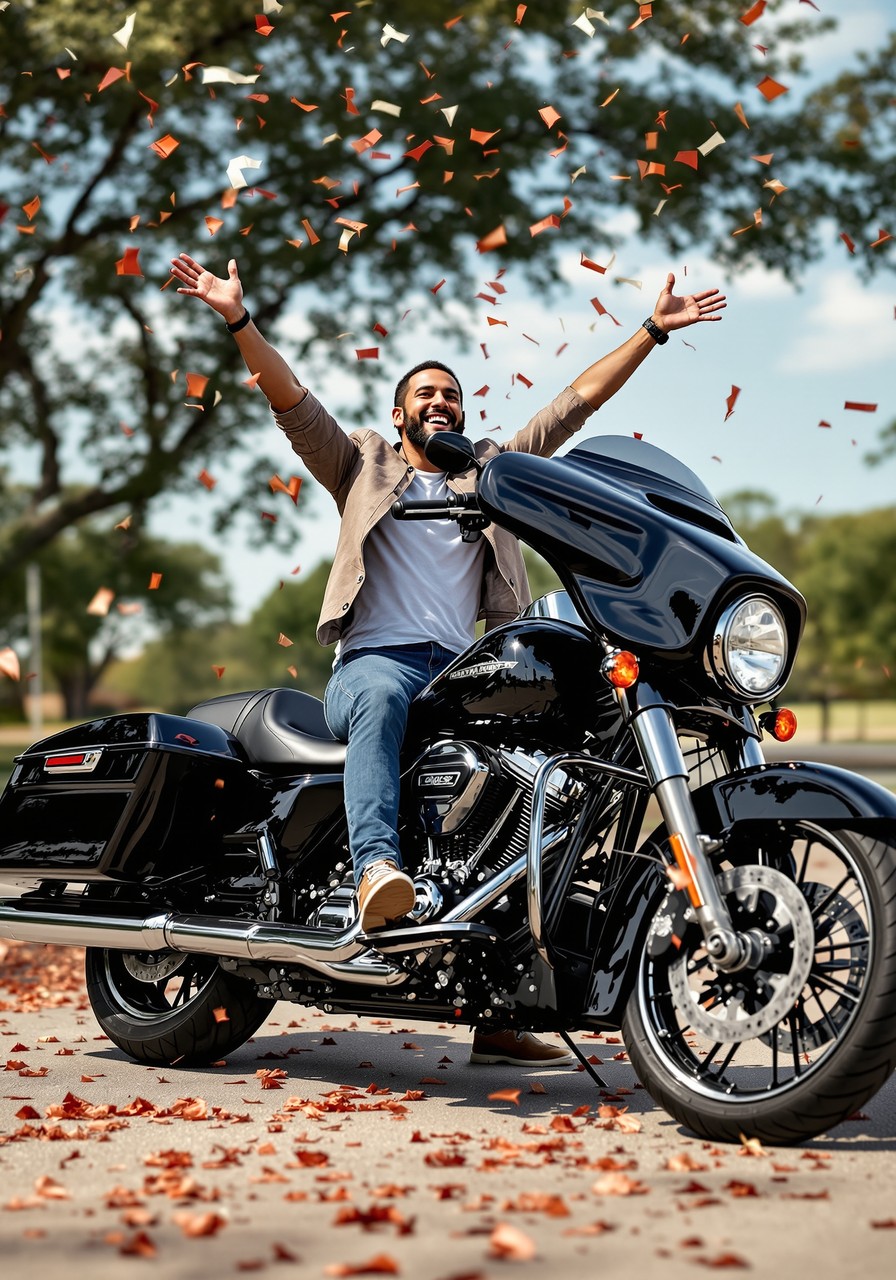
Giveaway & Countdown
Three days left. If your name is not in the BikersWin $20,000 giveaway yet, now is the moment. Free to enter, drawn December 10. Entry link in the comments. #RideNationDFW #20kGiveaway #DFWRiders
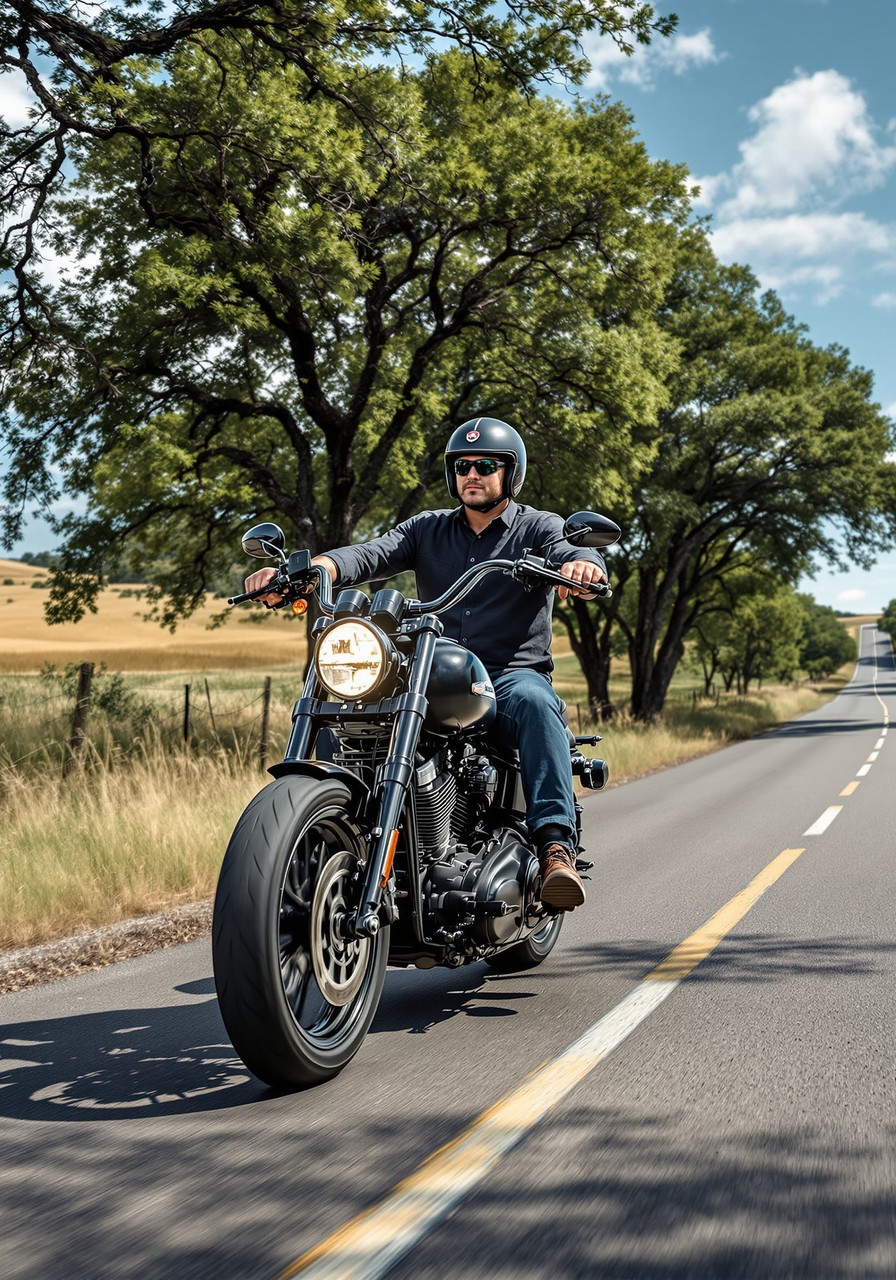
Local DFW & Rides
Reminder for the die-hards: North Texas overpasses ice over before the roads do. Give the High Five and the LBJ ramps extra room on a cold morning. #RideNationDFW #NorthTexas #TexasRiding
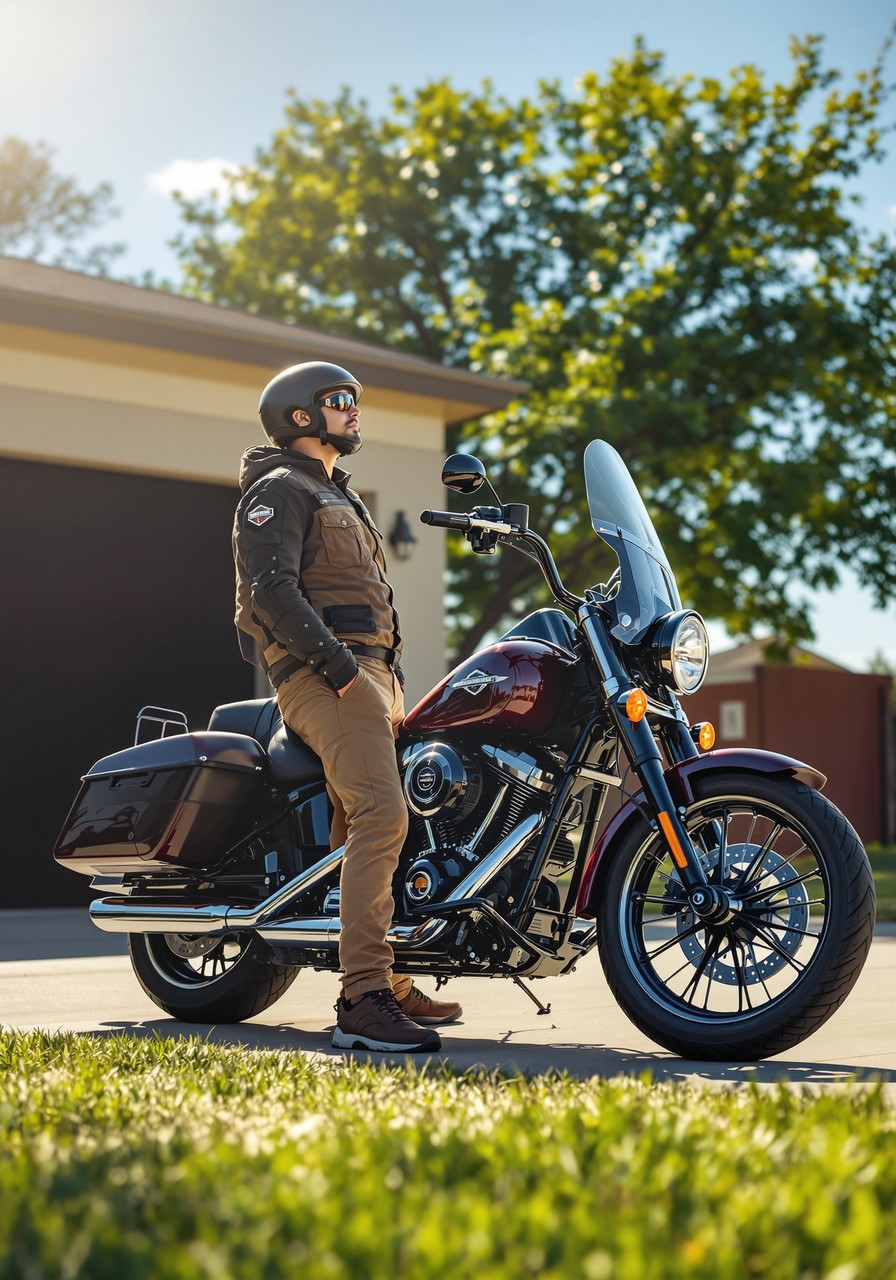
Gear & New Iron
Texas temperature swings mess with your tire pressure. A cold morning reads low, a hot afternoon reads high. Check it cold and check it often. #RideNationDFW #MotorcycleMaintenance #TexasHeat
Safety & TX Law
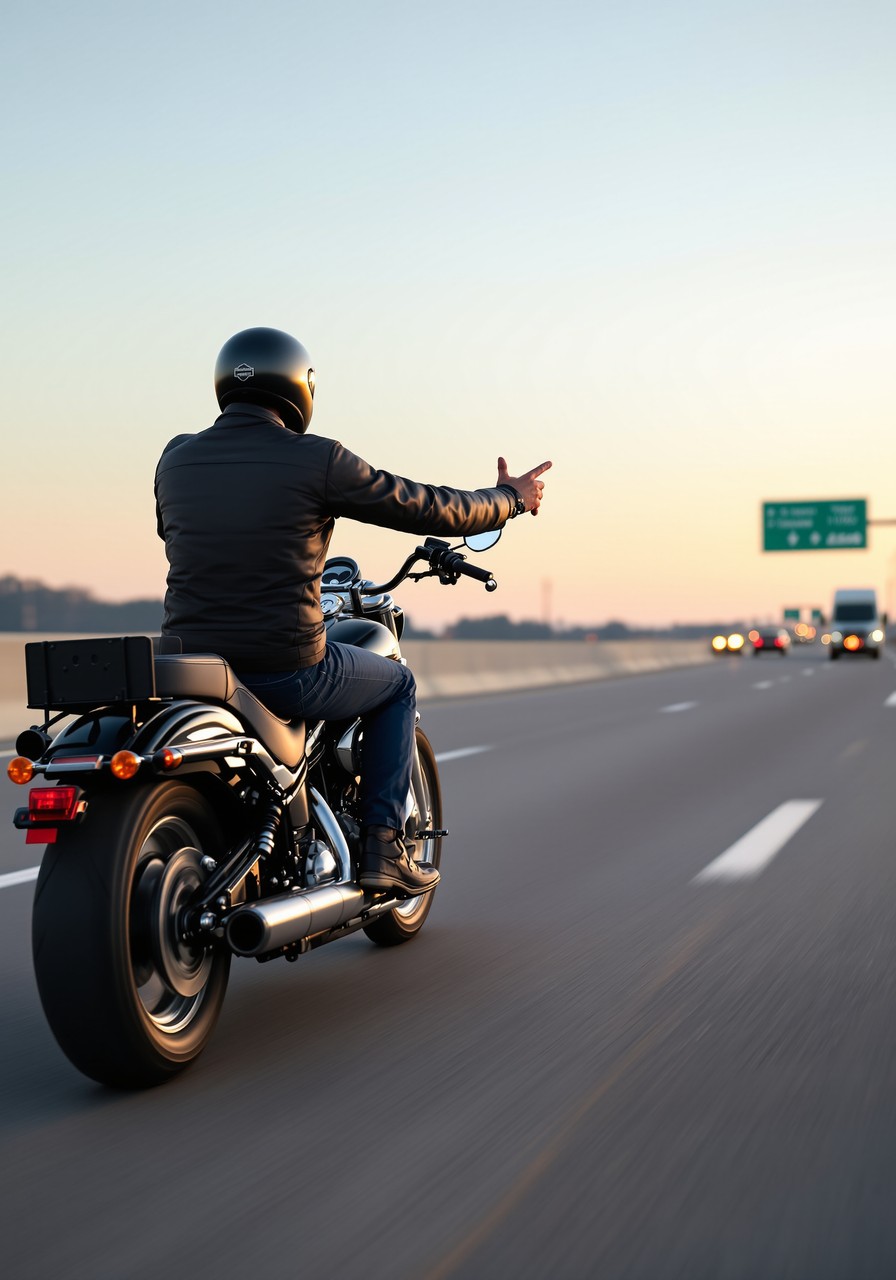
The left-turning car is the classic rider killer. Assume they do not see you and set up to brake early. Ride your own ride. If a driver still gets you, Manuel Diaz, 214-800-2086. #RideNationDFW #RiderSafety #MotorcycleSafety
Engagement
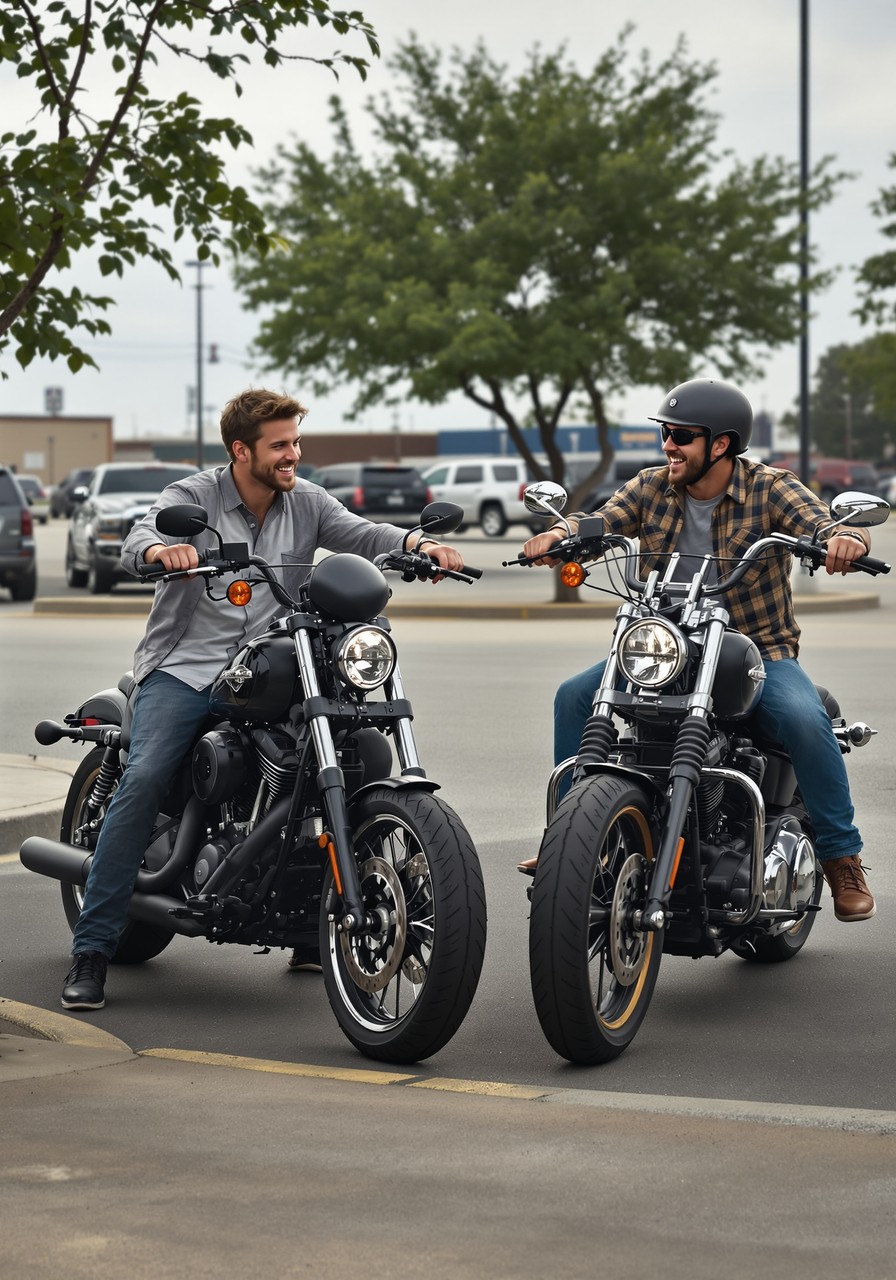
Rank them. Helmet, gloves, jacket, boots. What do you never skip? #RideNationDFW #DFWRiders #TwoWheels
Giveaway & Countdown
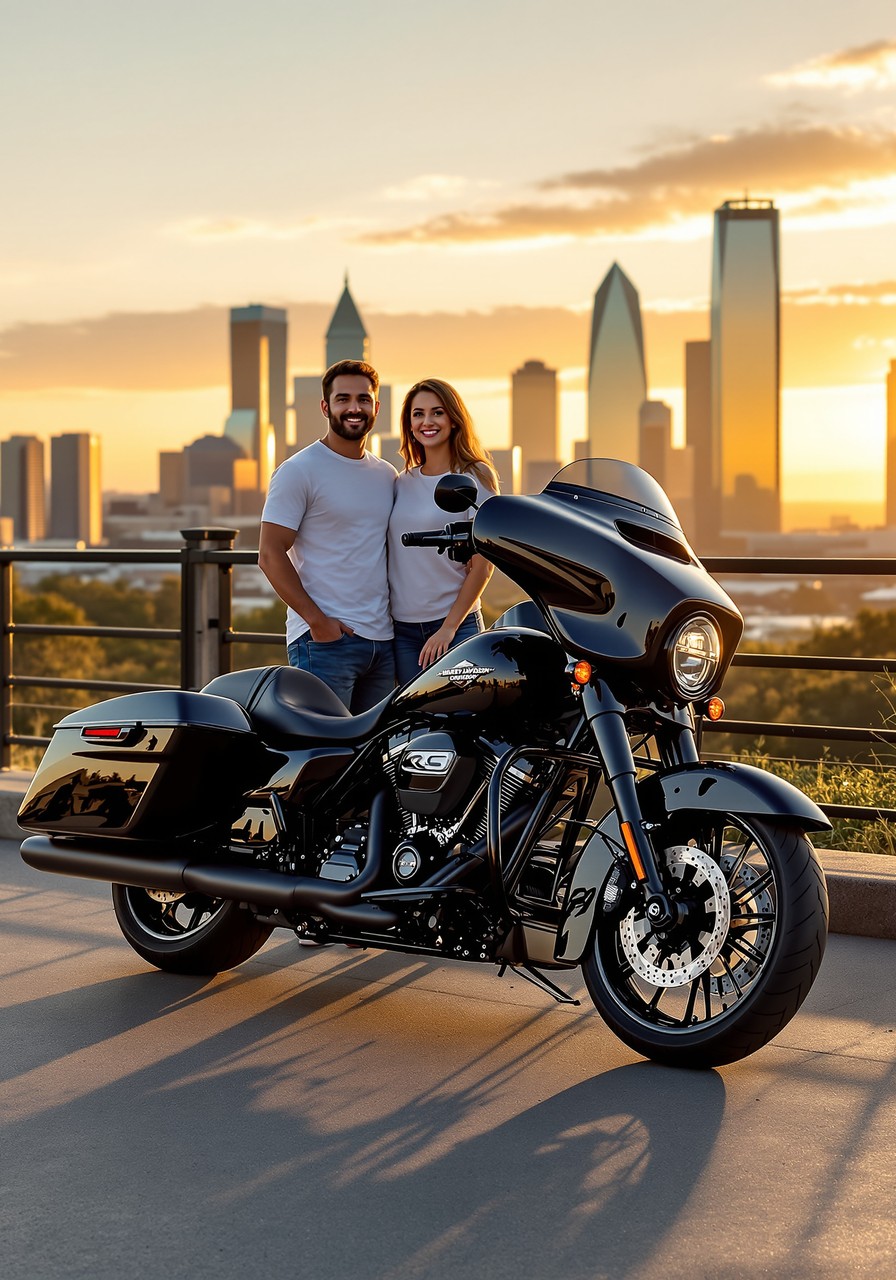
What would you park in the driveway with $20,000 in your pocket? Dream out loud below, then enter free before December 10. Link in comments. #RideNationDFW #BikersWin #DallasMotorcycles
Local DFW & Rides
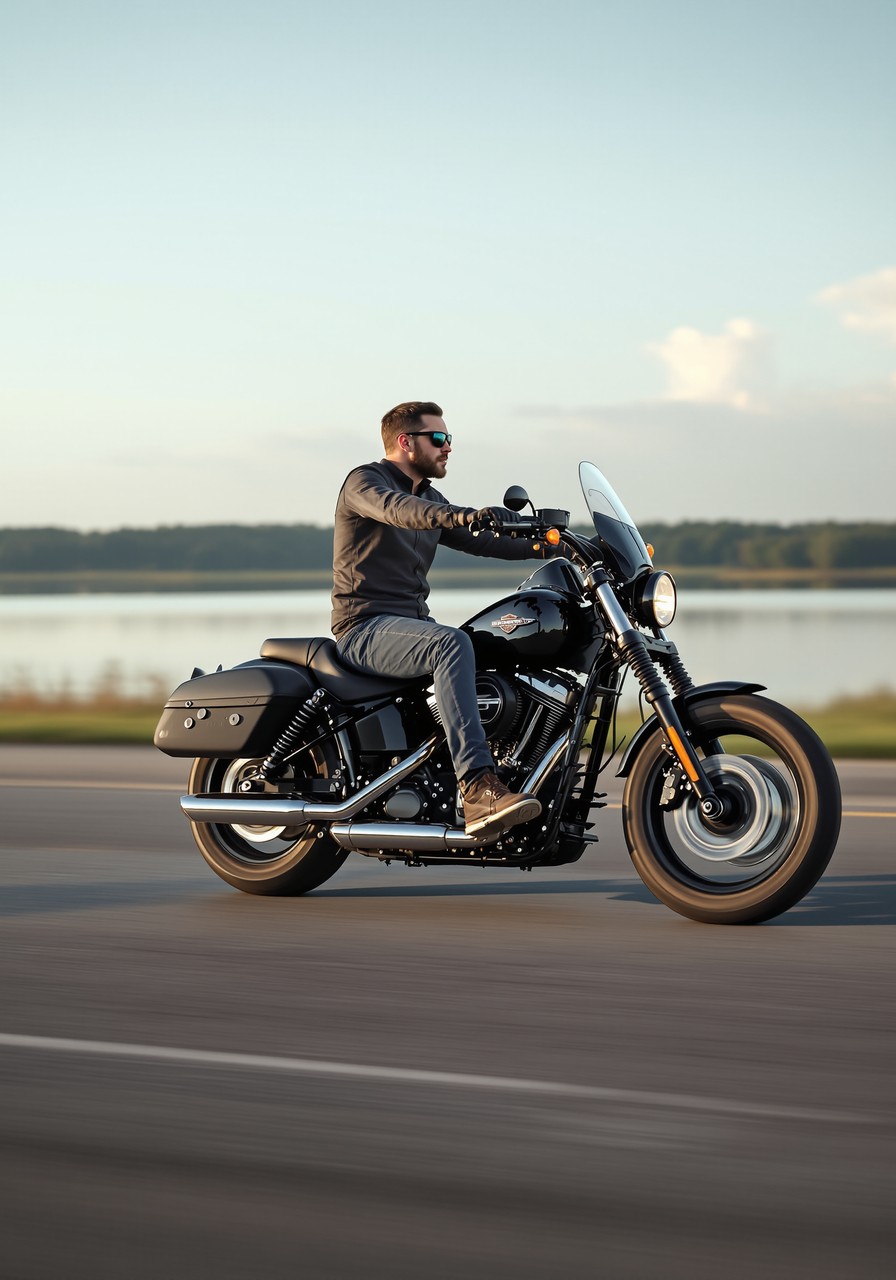
Bluebonnet season is beautiful and dangerous. Come spring, drivers on the farm roads brake and pull over with zero warning to grab a photo, so read their body language early. #RideNationDFW #HillCountry #TexasRiding
Gear & New Iron
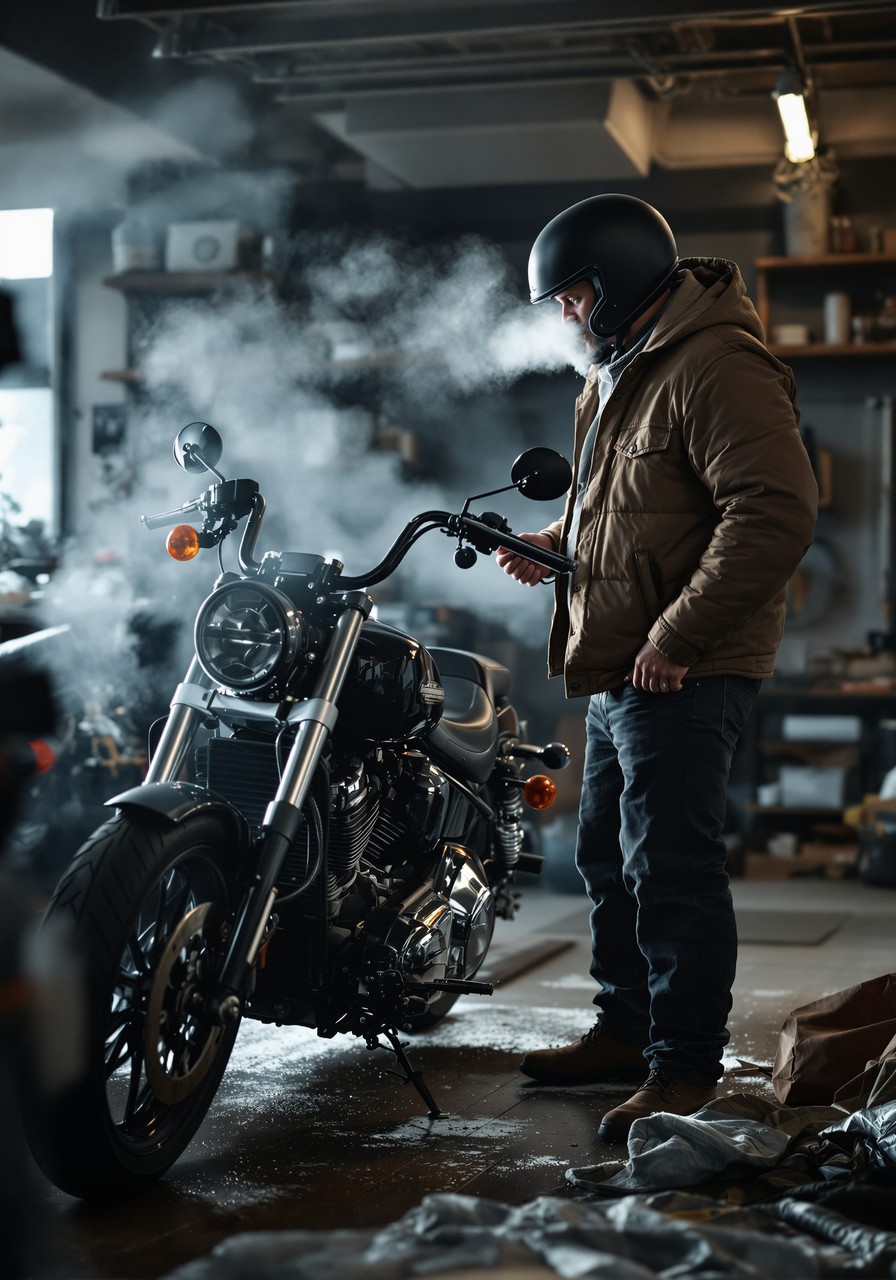
Every 10 degree drop in temperature bleeds about a pound of pressure out of your tires. Those winter mornings need a gauge, not a guess. #RideNationDFW #MotorcycleMaintenance #RiderTips
Safety & TX Law
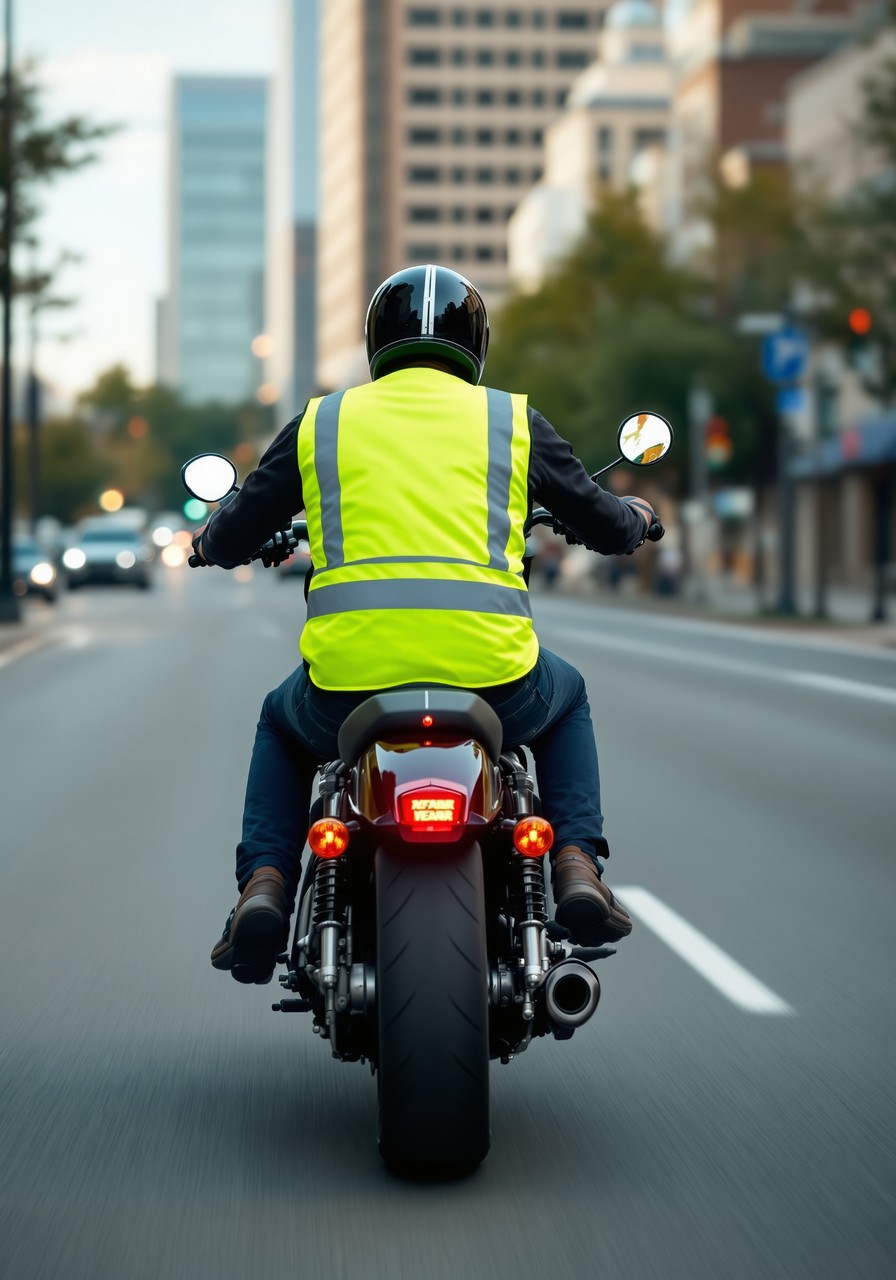
Dusk on the tollway is when riders vanish to drivers. Add reflective gear, hit your high beam where you can, and give yourself room. Questions after a crash? Diaz Law Firm, 214-800-2086. #RideNationDFW #RiderSafety #ATGATT
Engagement
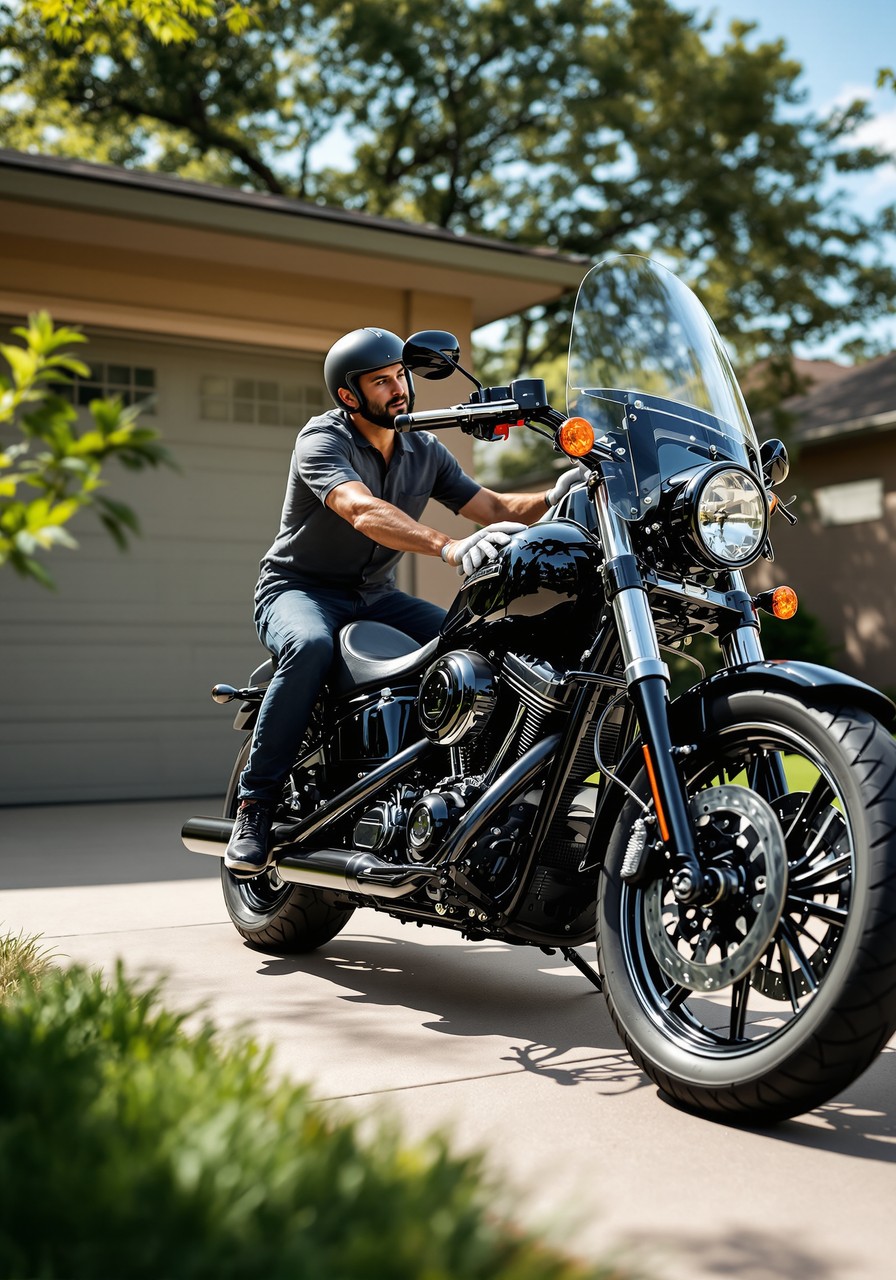
Tag your ride-or-die who never bails when the weather looks iffy. #RideNationDFW #RideOrDie #DallasMotorcycles
Giveaway & Countdown
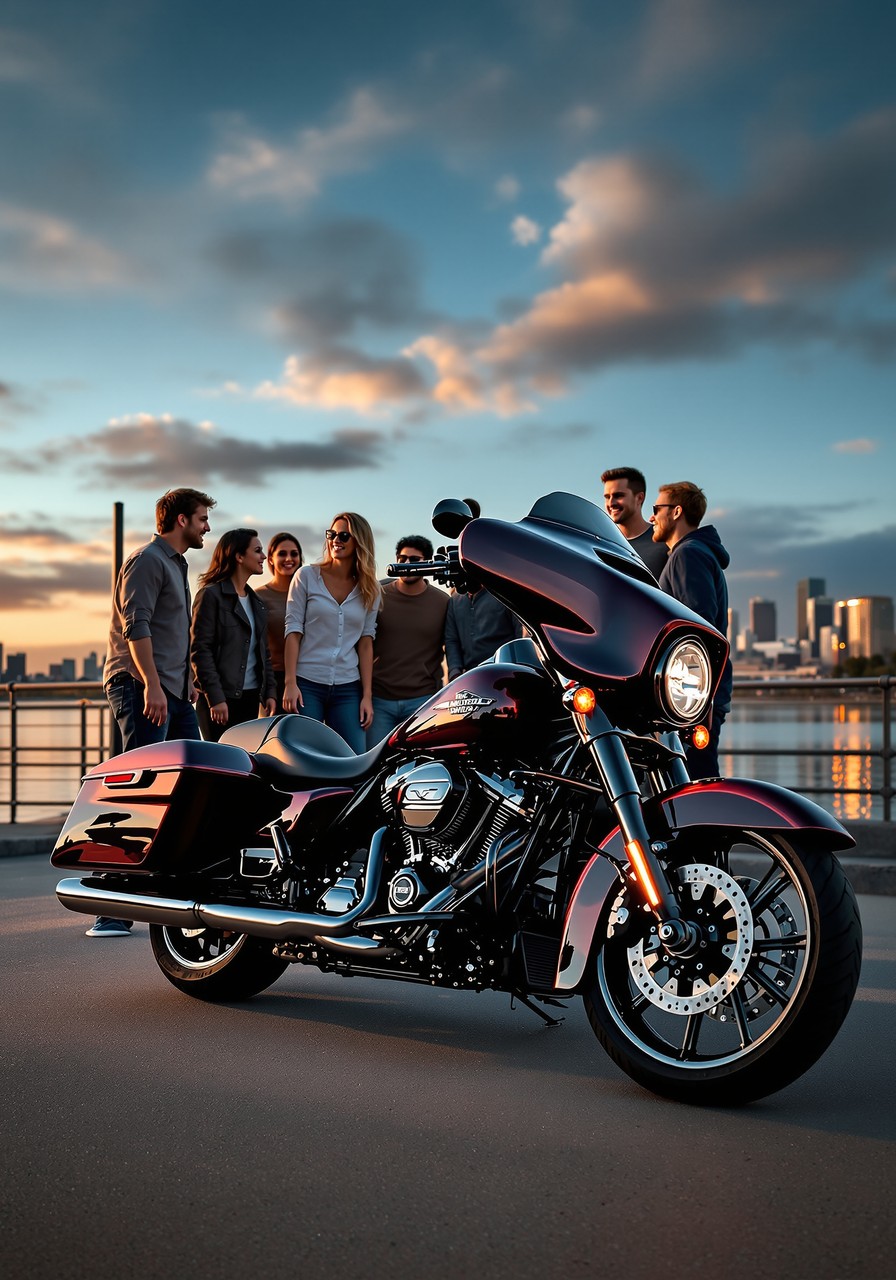
Last call, Ride Nation DFW. The BikersWin draw is tomorrow, December 10. Free to enter and it only takes two minutes. Entry link in the comments. Diaz Law Firm, 214-800-2086. #RideNationDFW #MotorcycleGiveaway #FreeToEnter
Local DFW & Rides
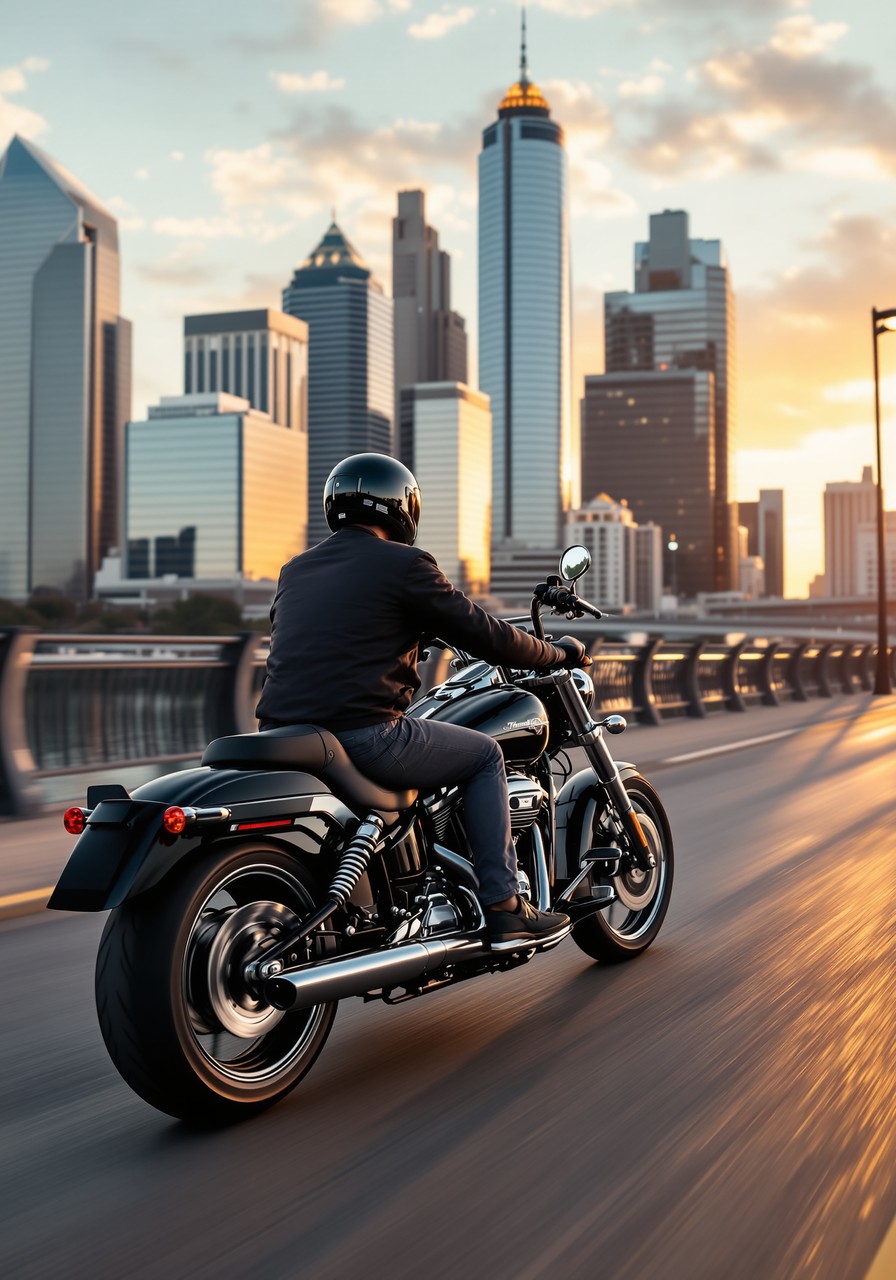
Spring bluebonnet tourists treat FM shoulders like parking lots. Expect a car door to swing open on any pretty stretch south of town. #RideNationDFW #TexasRiding #MotorcycleRoads
Gear & New Iron
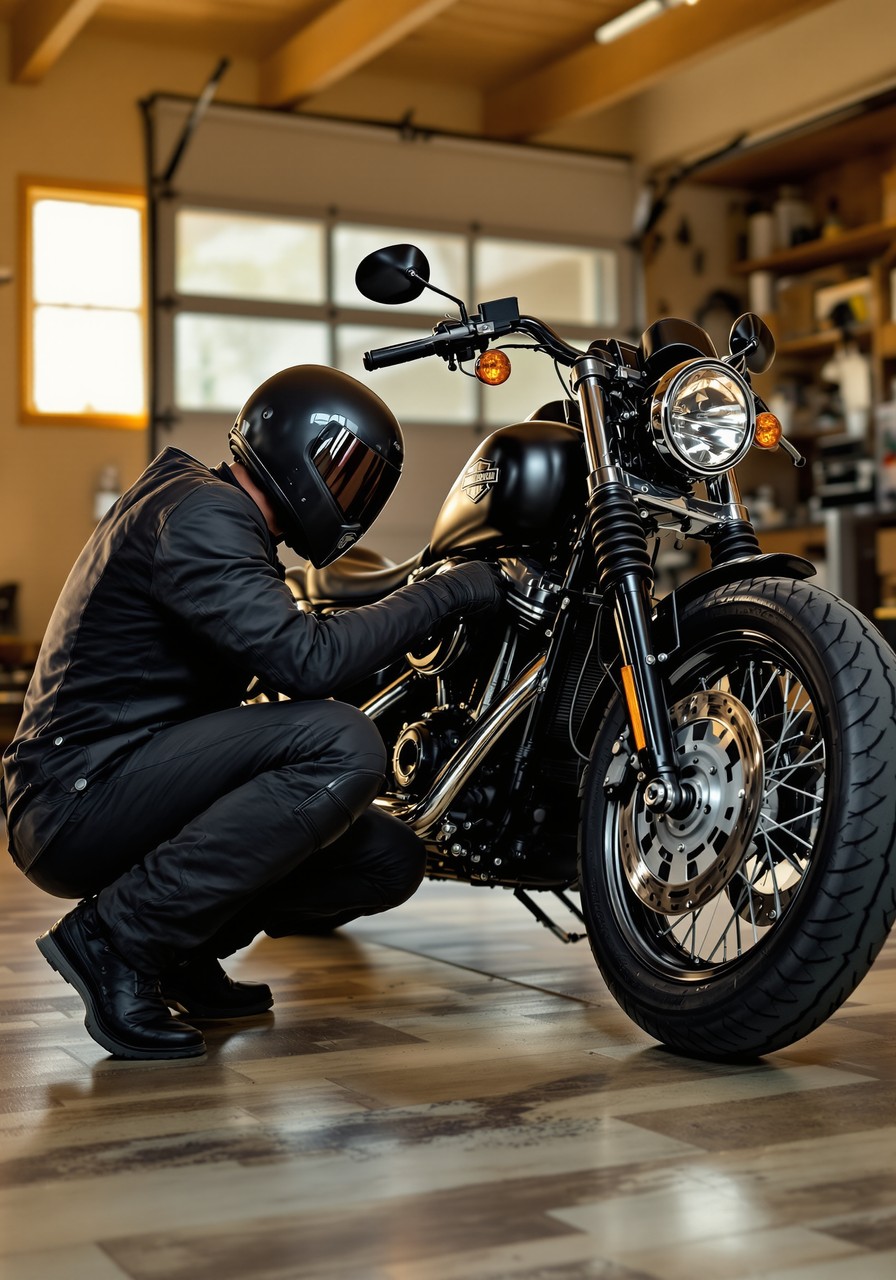
A cheap tire pressure gauge lives in your jacket pocket for a reason. Squishy tires steer slow and wear fast. Thirty seconds saves your ride. #RideNationDFW #MotorcycleMaintenance #RiderTips
Safety & TX Law
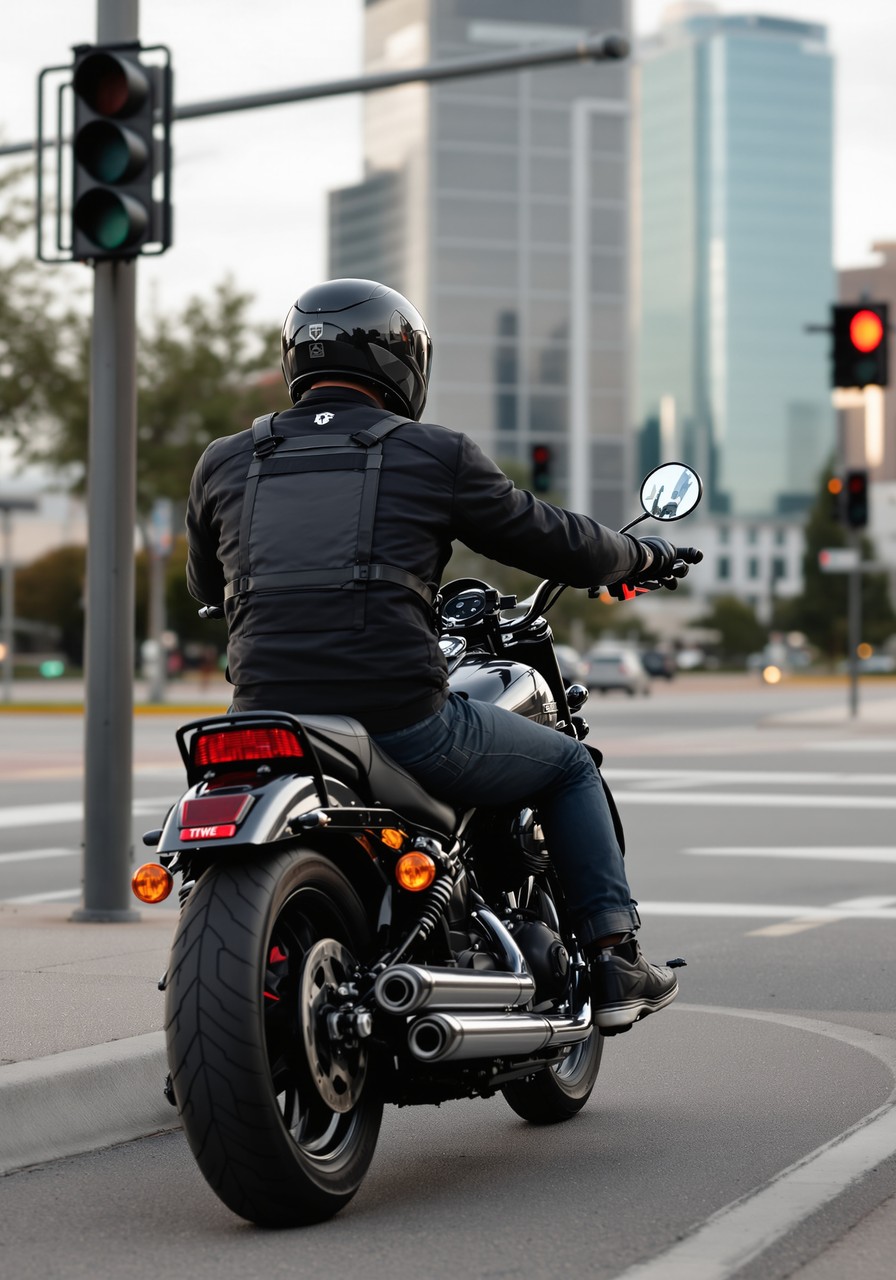
Being visible is not vanity, it is survival. Bright gear, lights on, out of blind spots. You cannot ride for them, but you can be impossible to miss. Hurt out there? Manuel Diaz, 214-800-2086. #RideNationDFW #MotorcycleSafety #RiderSafety
Engagement
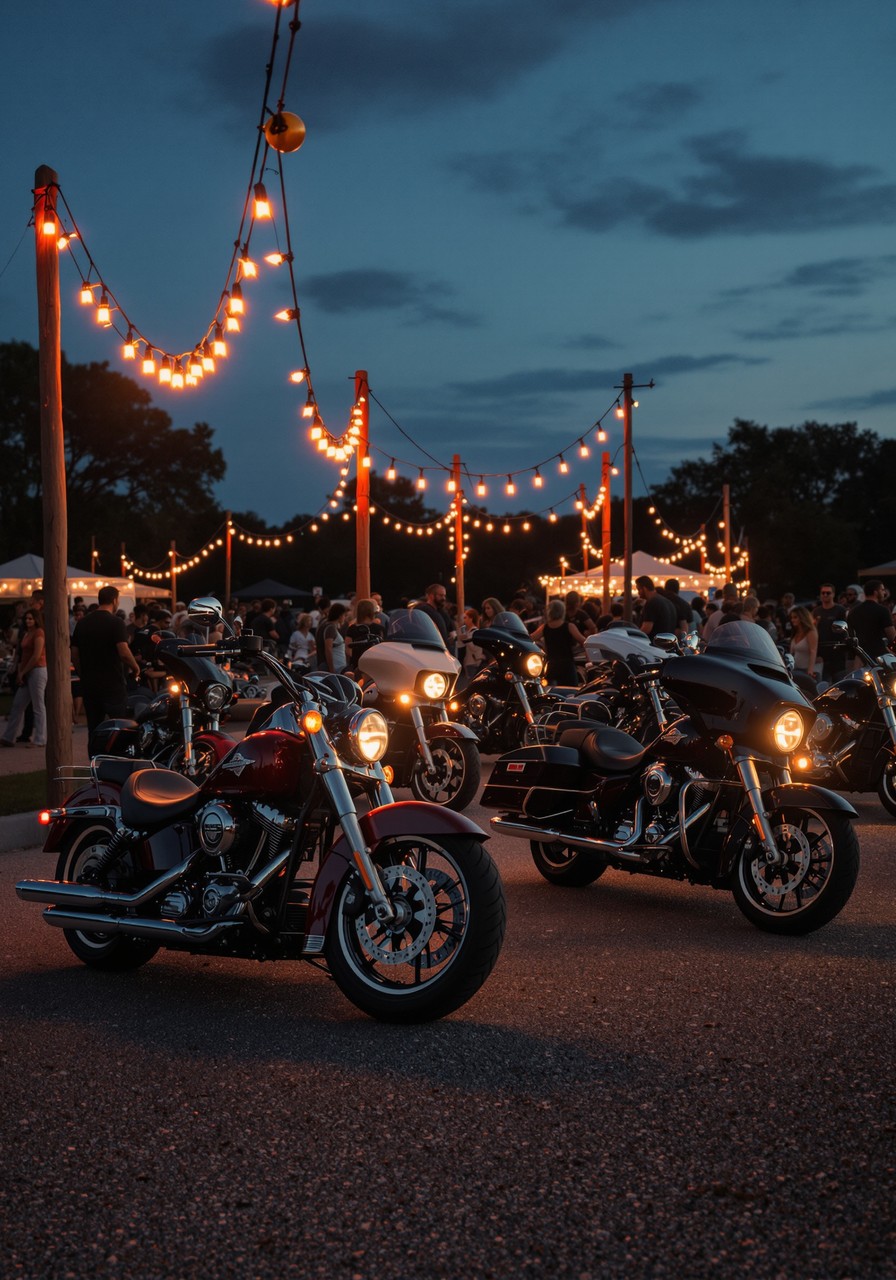
This or that. Chrome or blacked out? Show us where you land. #RideNationDFW #BikerLife #TwoWheels
Giveaway & Countdown
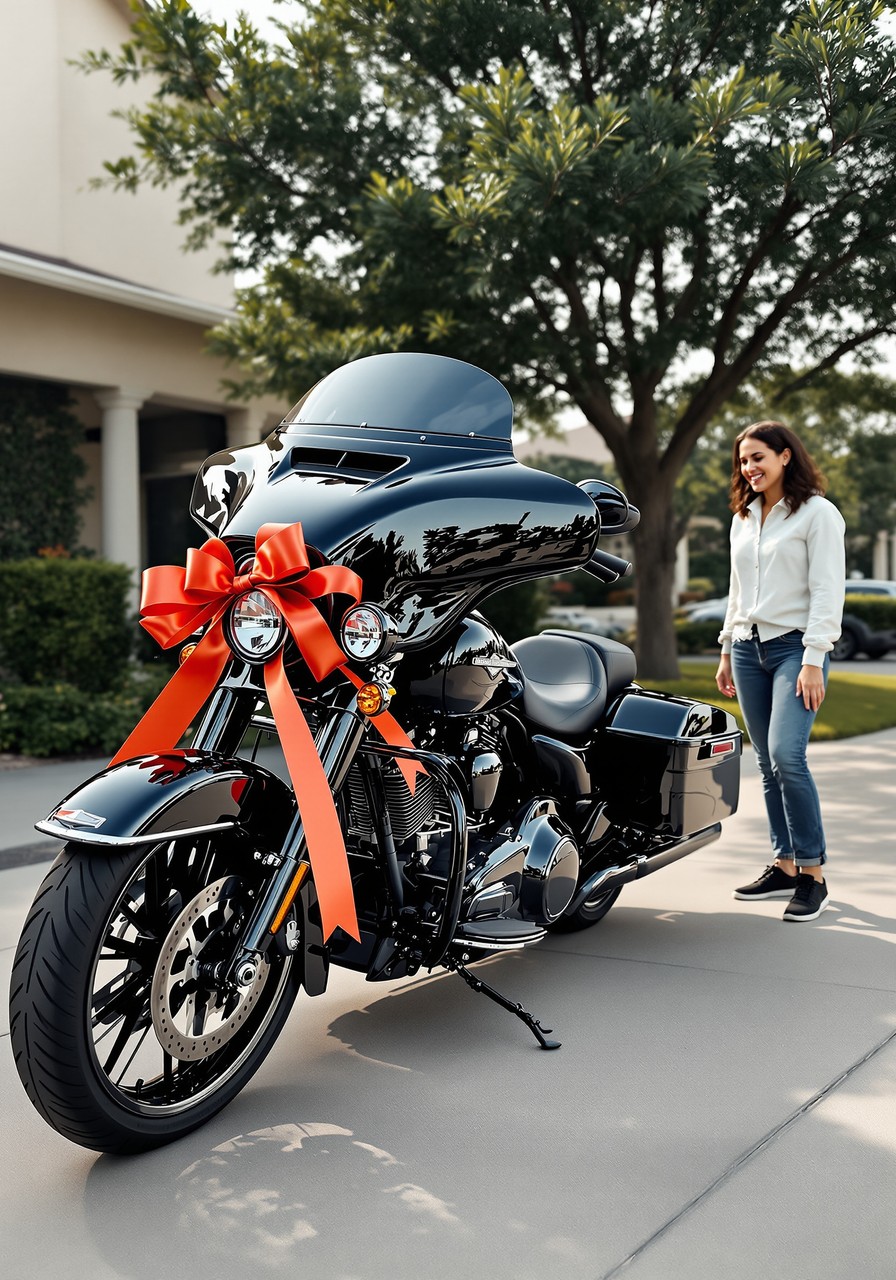
This is it. The $20,000 winner gets drawn December 10. If you have not entered, do it now while you still can. Free, link in comments. #RideNationDFW #BikersWin #20kGiveaway
Local DFW & Rides
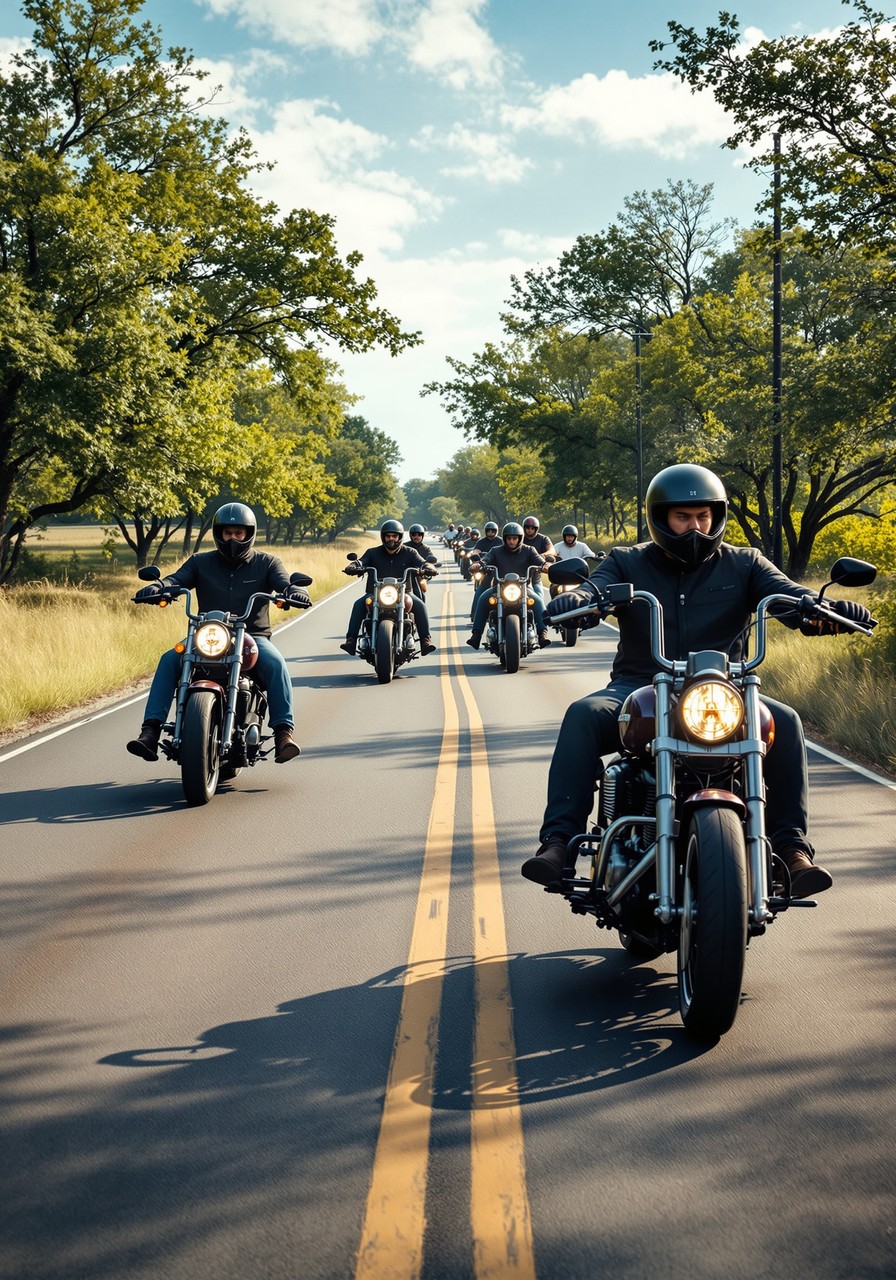
Deer at dusk are the real North Texas hazard on the farm roads. On Hwy 377 and the Ranch Roads, back it down in that last golden hour and scan the treelines. #RideNationDFW #TexasRiding #MotorcycleRoads
Gear & New Iron
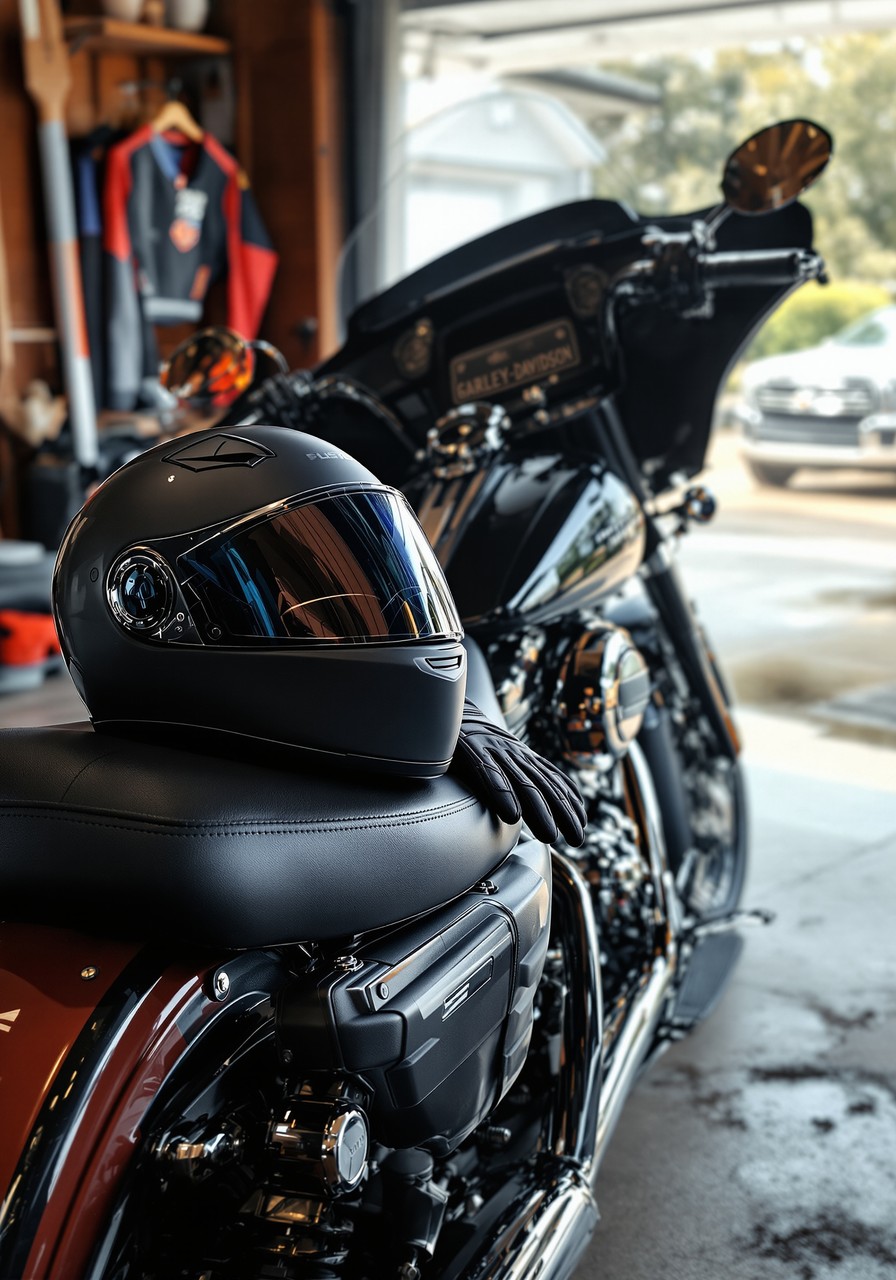
If your bike sat all summer while you hid from the heat, put it on a battery tender. Nothing kills a battery like weeks of doing nothing. #RideNationDFW #MotorcycleMaintenance #TexasHeat
Safety & TX Law
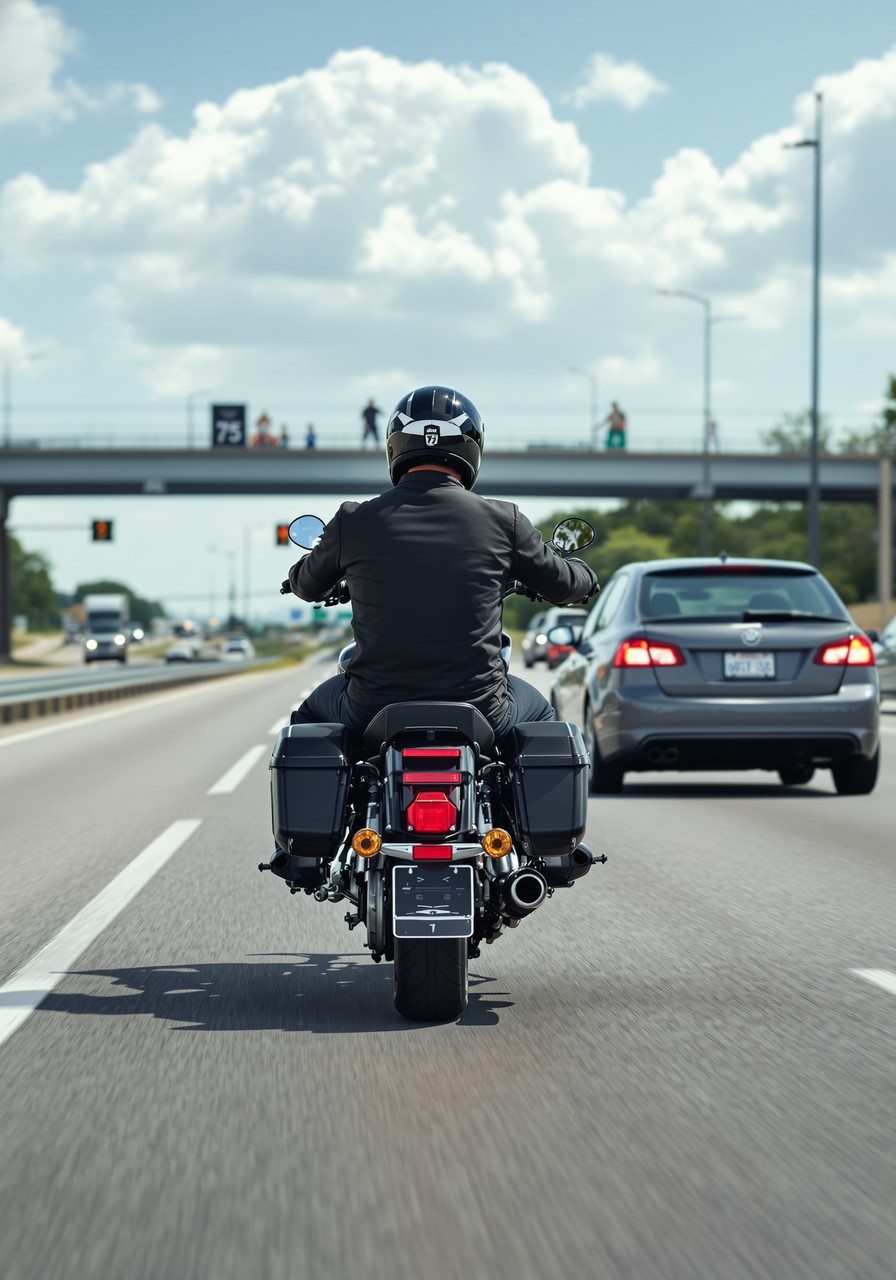
Cover your brakes before you need them. That half second you save when a car pulls out is the whole difference. Ride your own ride. If it still goes bad, Diaz Law Firm, 214-800-2086. #RideNationDFW #RiderSafety #MotorcycleSafety
Engagement
Fill in the blank. My favorite Fort Worth route ends at ______. #RideNationDFW #FortWorth #DFWRiders
Giveaway & Countdown
Final hours. One free entry stands between you and a shot at $20,000 toward any motorcycle. Draw is today. Entry link in the comments. #RideNationDFW #WinABike #DFWRiders
Local DFW & Rides
Gravel loves the apex on FM roads out here. Wide, patient lines beat hero corners when you cannot see what washed across the pavement. #RideNationDFW #MotorcycleRoads #TexasRiding
Gear & New Iron
Heat is harder on batteries than cold. Texas summers cook the life out of them. If yours is over three years old, test it before it strands you. #RideNationDFW #MotorcycleMaintenance #TexasHeat
Safety & TX Law
All the gear, all the time. Road rash and a cracked helmet make the case for ATGATT better than any speech. Gear up. And if a driver puts you down, Manuel Diaz, 214-800-2086. #RideNationDFW #ATGATT #RiderSafety
Engagement
New Year check-in. One riding goal for 2026. Say it out loud in the comments. #RideNationDFW #TexasRiders #TwoWheels
Giveaway & Countdown
Winner drawn today. Huge thanks to every rider who entered the BikersWin $20,000 giveaway. Good news, this is not the only one. Stay tuned and stay entered. Link in comments. #RideNationDFW #BikersWin #DFWRiders
Local DFW & Rides
Summer riding in DFW means beating the heat. Roll out at sunrise, be off the interstate by noon, and let the afternoon storms have the road. #RideNationDFW #TexasRiding #NorthTexas
Gear & New Iron
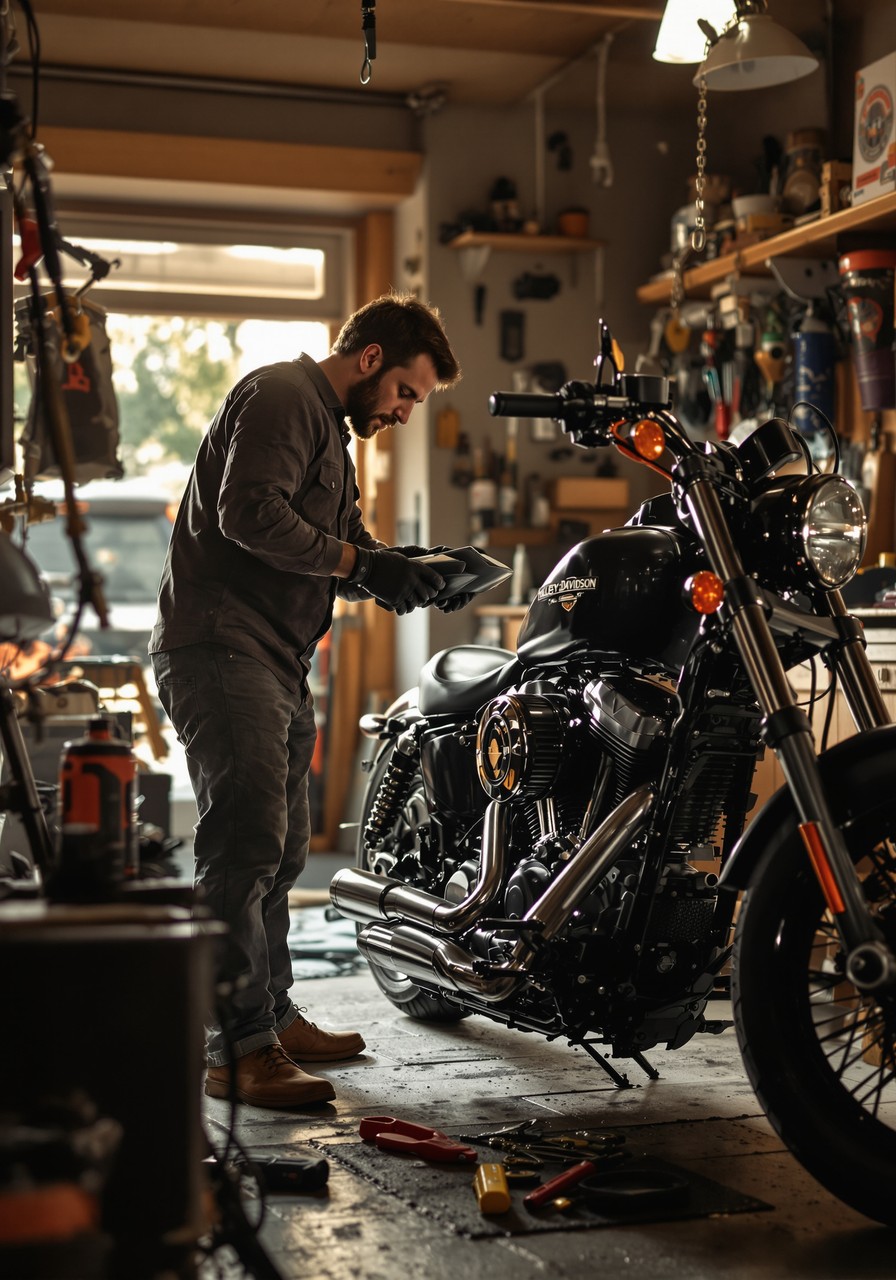
First cold snap and your bike cranks slow? That is the battery telling you it is on the way out. Test it before you get left in a cold parking lot. #RideNationDFW #MotorcycleMaintenance #RiderTips
Safety & TX Law
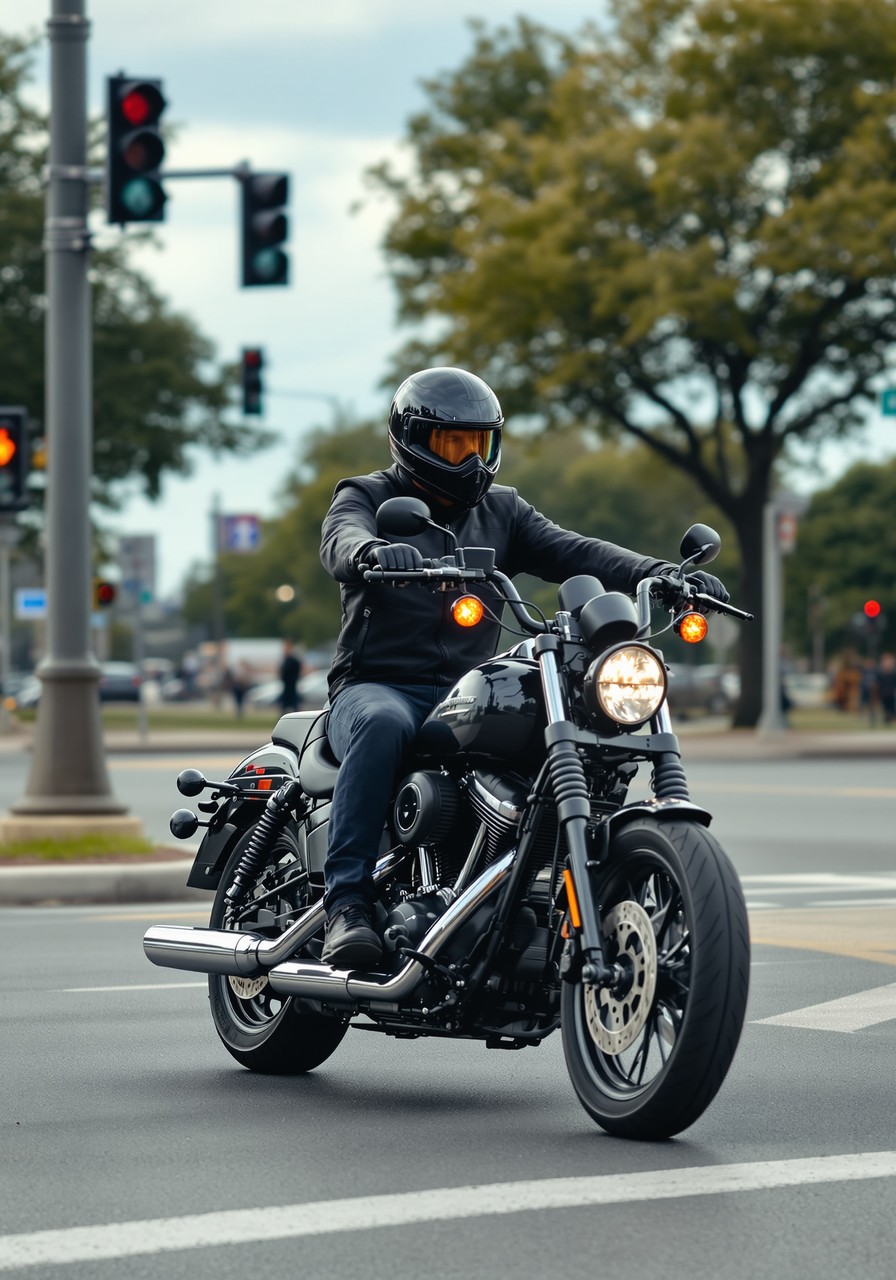
Your health insurance is not the same as UM coverage. UM pays for the pain, the lost wages, the bike, not just the ER. Make sure you carry it. Questions? Diaz Law Firm, no cost to talk, 214-800-2086. #RideNationDFW #UninsuredMotorist #KnowYourRights
Engagement
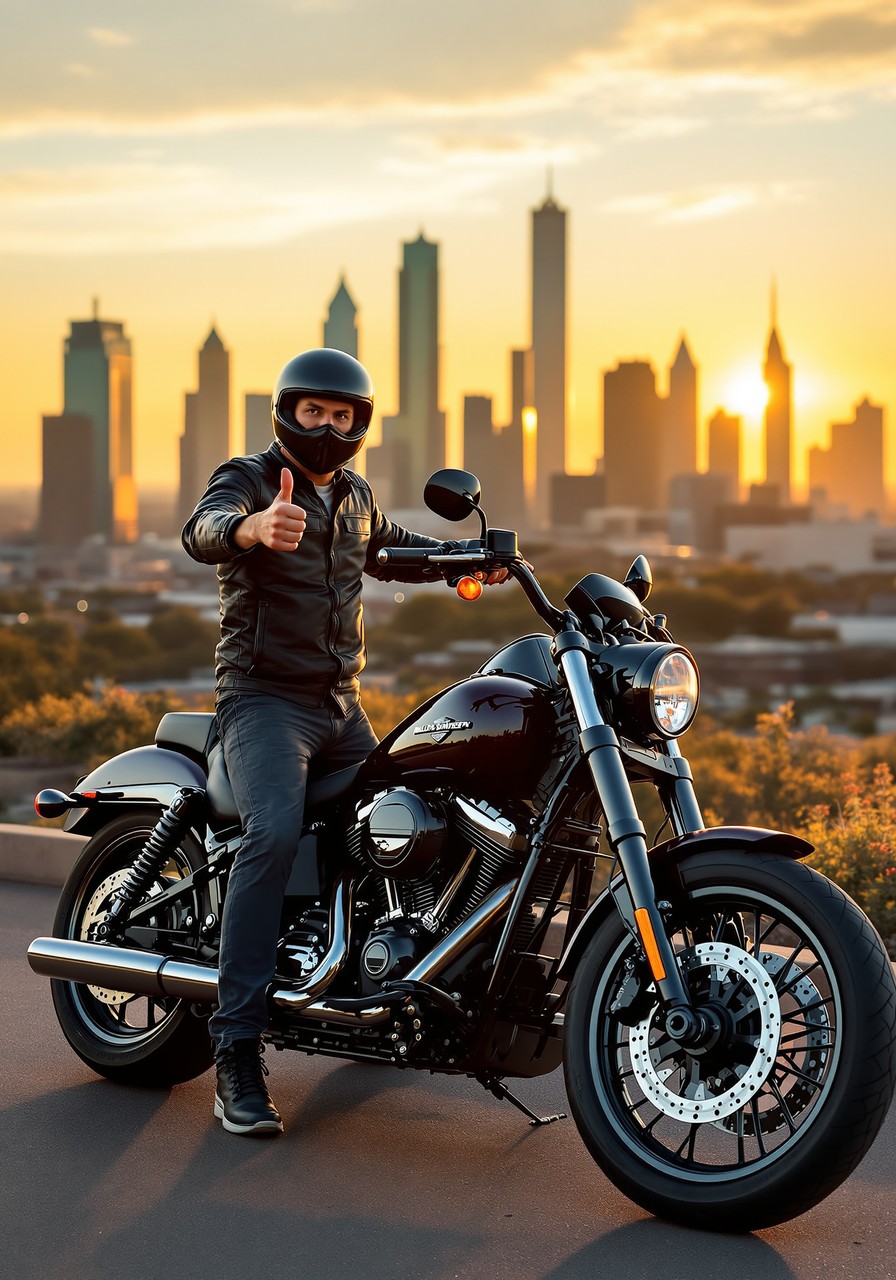
Poll. Heated grips, worth it or overrated for a Texas winter? #RideNationDFW #DFWRiders #Texas
Giveaway & Countdown
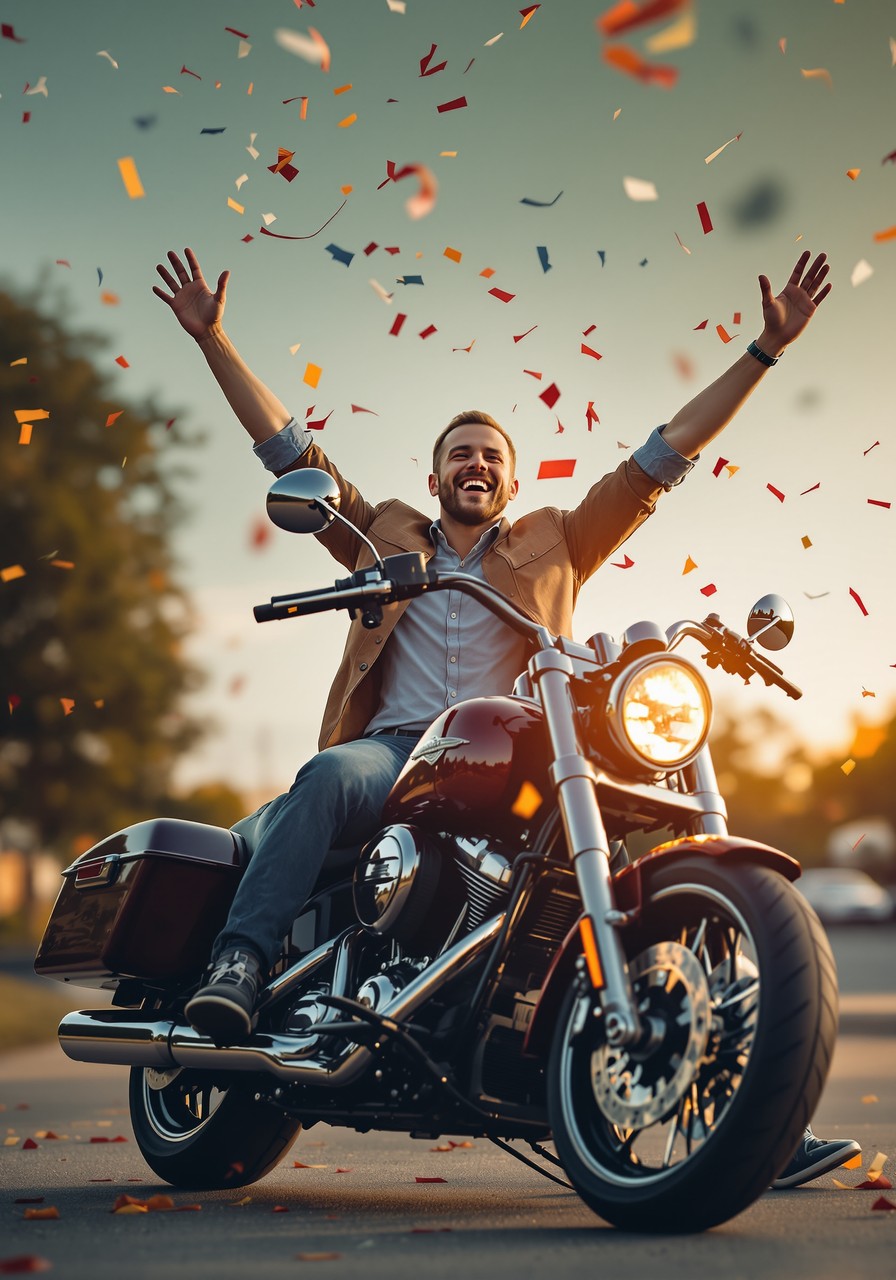
One lucky rider just got $20,000 toward a new bike. Missed this round? The next BikersWin giveaway is already on the way. Free to enter, link in comments. #RideNationDFW #MotorcycleGiveaway #20kGiveaway
Local DFW & Rides
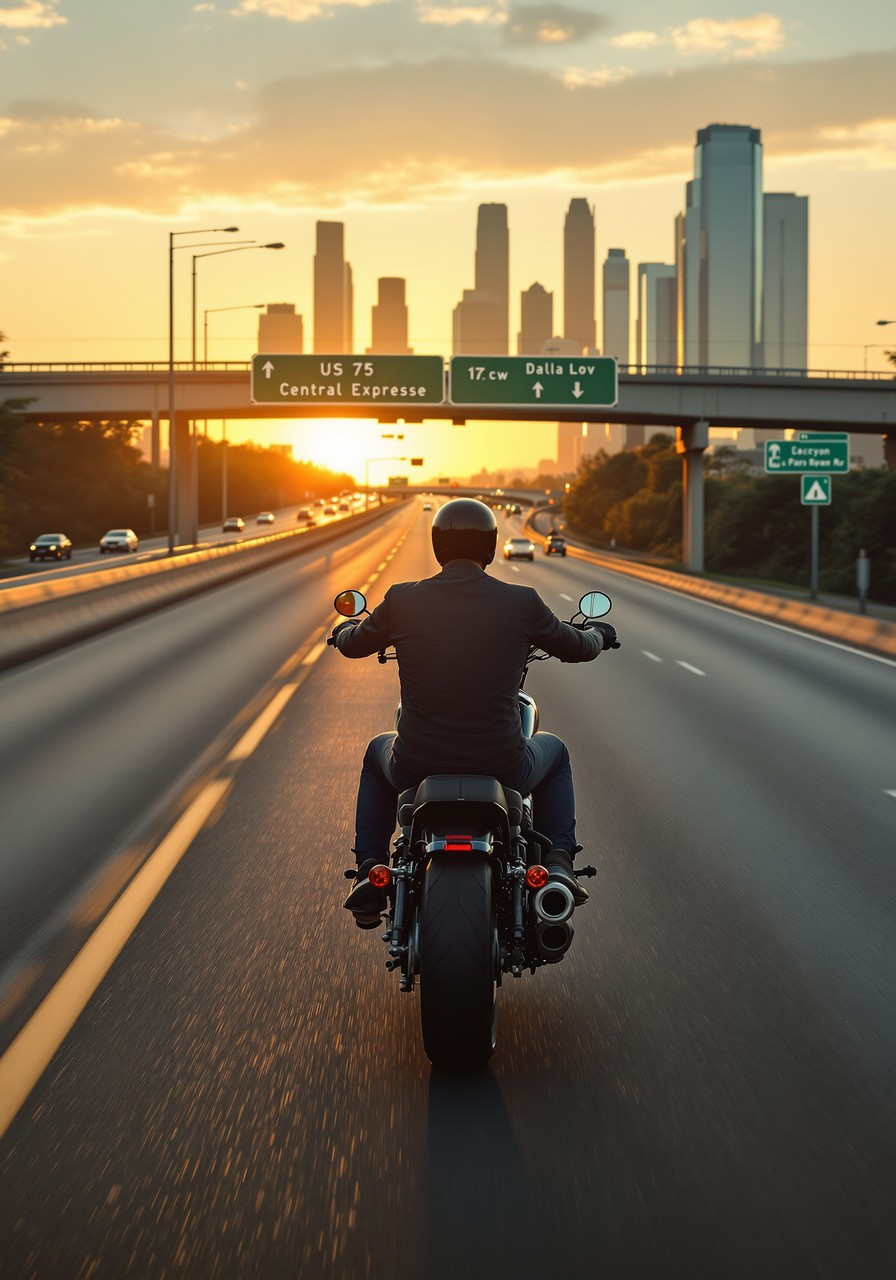
Fall is peak season here. Cooler air, longer light, and dry pavement make October and November the best months to run Hwy 377 and the lake loops. #RideNationDFW #TexasRiding #FortWorth
Gear & New Iron
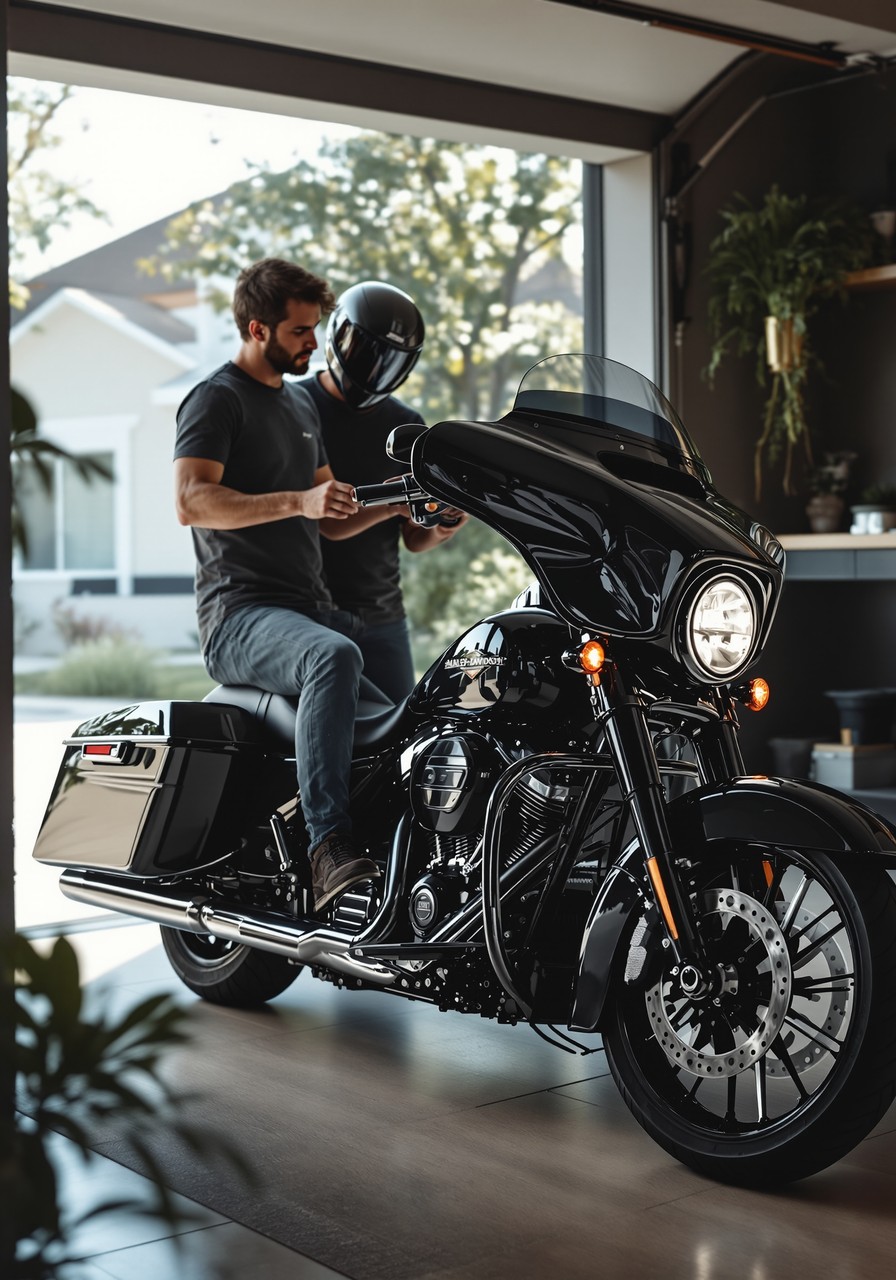
Brake fluid absorbs water over time and water boils under hard braking. If you cannot remember your last flush, it is overdue. Two years, tops. #RideNationDFW #MotorcycleMaintenance #RiderTips
Safety & TX Law
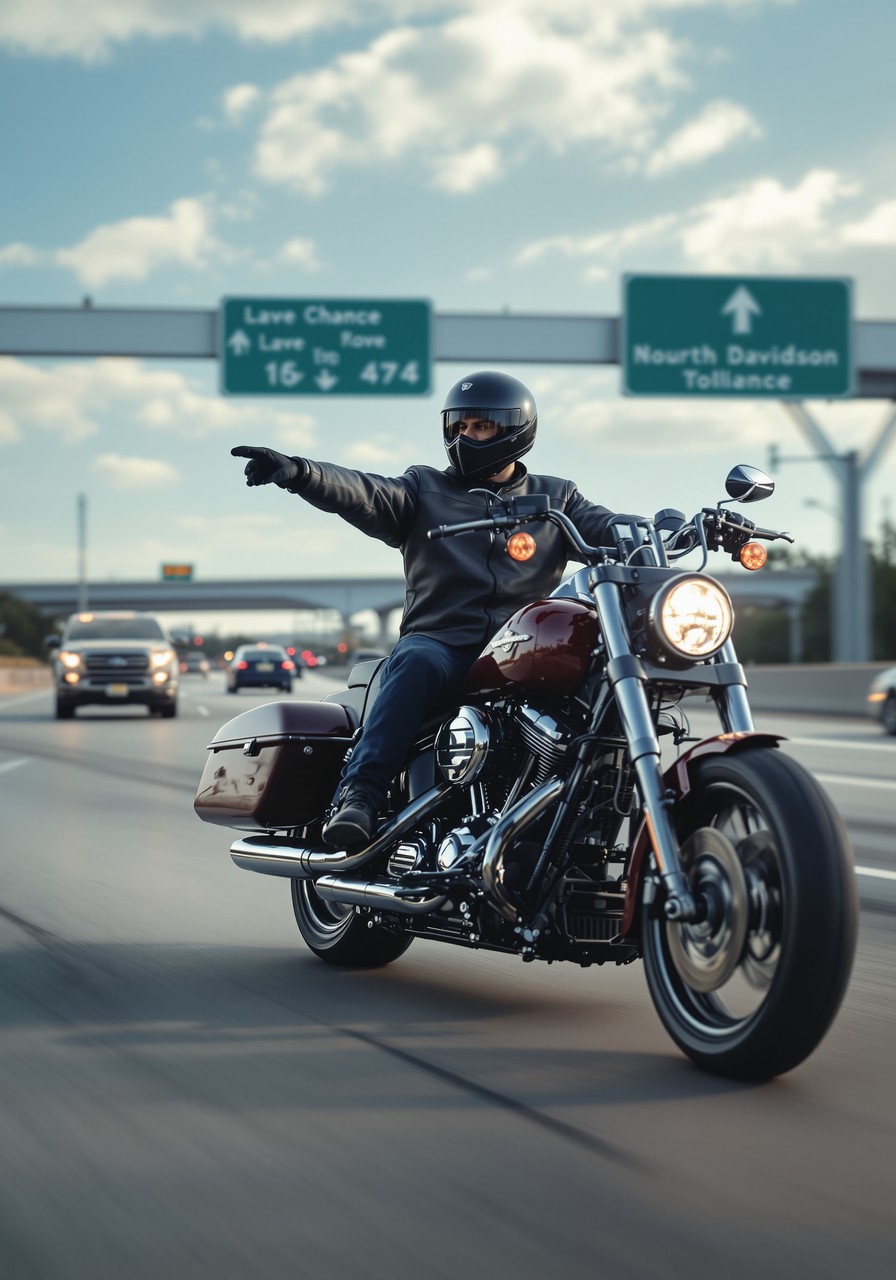
After a wreck, get the crash report, photos, and witness names before anyone drives off. In Texas, that record is what beats the 51 percent fault trap. Hurt riding? Manuel Diaz, 214-800-2086. #RideNationDFW #KnowYourRights #TexasLaw
Engagement
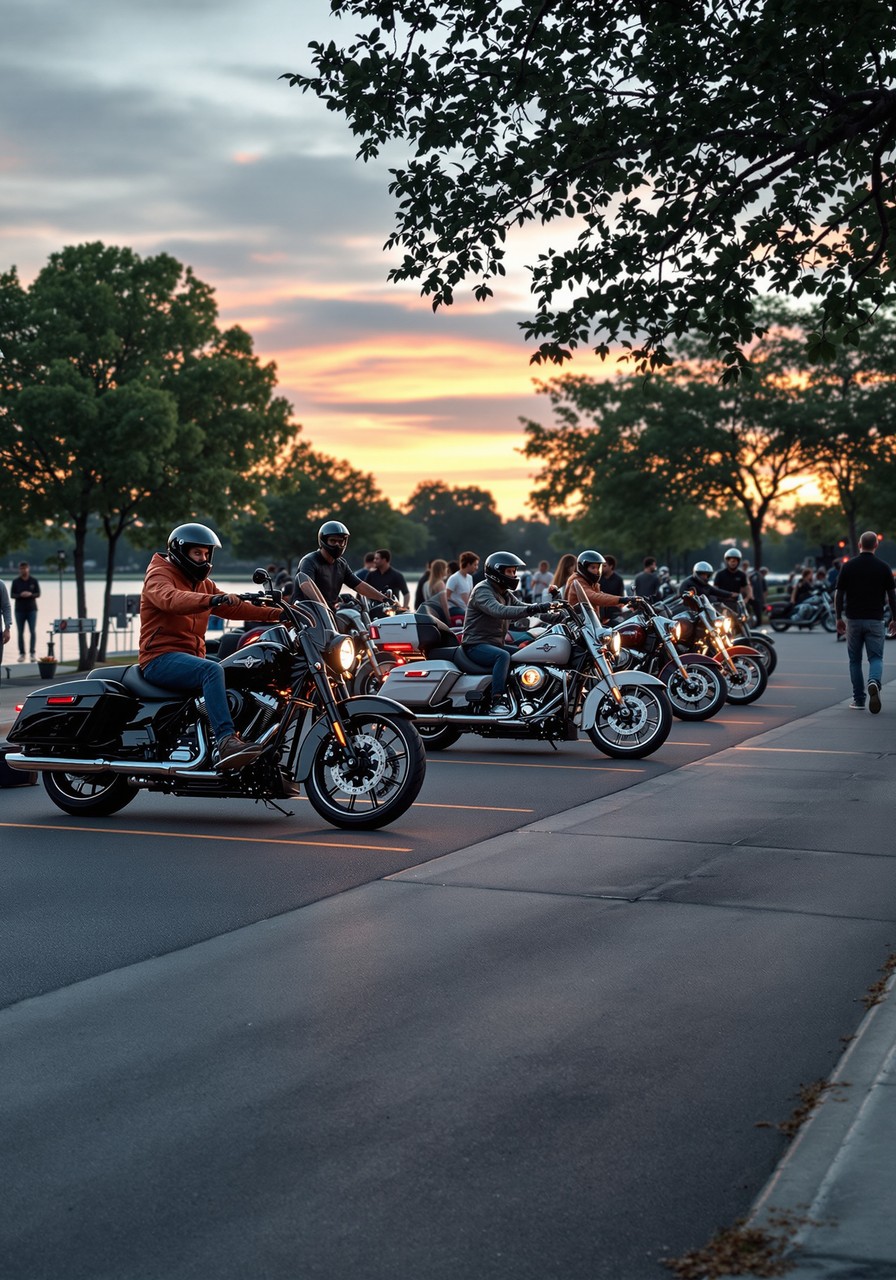
Name the one thing every new rider in DFW should know. Pass it down. #RideNationDFW #BikerLife #DallasMotorcycles
Giveaway & Countdown
Did not win in December? No worries. Another free $20,000 shot is coming in January. Your name deserves to be in it. Entry link in the comments. Diaz Law Firm, 214-800-2086. #RideNationDFW #BikersWin #WinABike
Local DFW & Rides
First cold morning of the season is when tires lie to you. Cold rubber and cold pavement do not grip like they did last week, so give the first few miles some respect. #RideNationDFW #NorthTexas #TexasRiding
Gear & New Iron
Spongy lever feel is not normal. Air or old fluid in the lines means less stopping power right when you need all of it. Bleed the brakes. #RideNationDFW #MotorcycleMaintenance #RiderTips
Safety & TX Law
Do not tell the other driver's insurer you are fine. Adrenaline hides injuries for days, and their adjuster is not on your side. Get checked, then call Diaz Law Firm, 214-800-2086. #RideNationDFW #KnowYourRights #RiderSafety
Engagement
Caption this like your bike is talking back to you. We will read them all. #RideNationDFW #CaptionThis #TwoWheels
Giveaway & Countdown
New year, new chance at a new bike. The next BikersWin $20,000 giveaway is live and free to enter, riders 18 and up. Link in comments. #RideNationDFW #20kGiveaway #DallasMotorcycles
Local DFW & Rides
The run out to Glen Rose and back is the perfect half-day loop. Enough curves to keep it interesting, close enough to be home for lunch. #RideNationDFW #HillCountry #MotorcycleRoads
Gear & New Iron
Check your brake pads before every long ride. A metal on metal scrape means you waited too long and now the rotor pays for it too. #RideNationDFW #MotorcycleMaintenance #RiderTips
Safety & TX Law
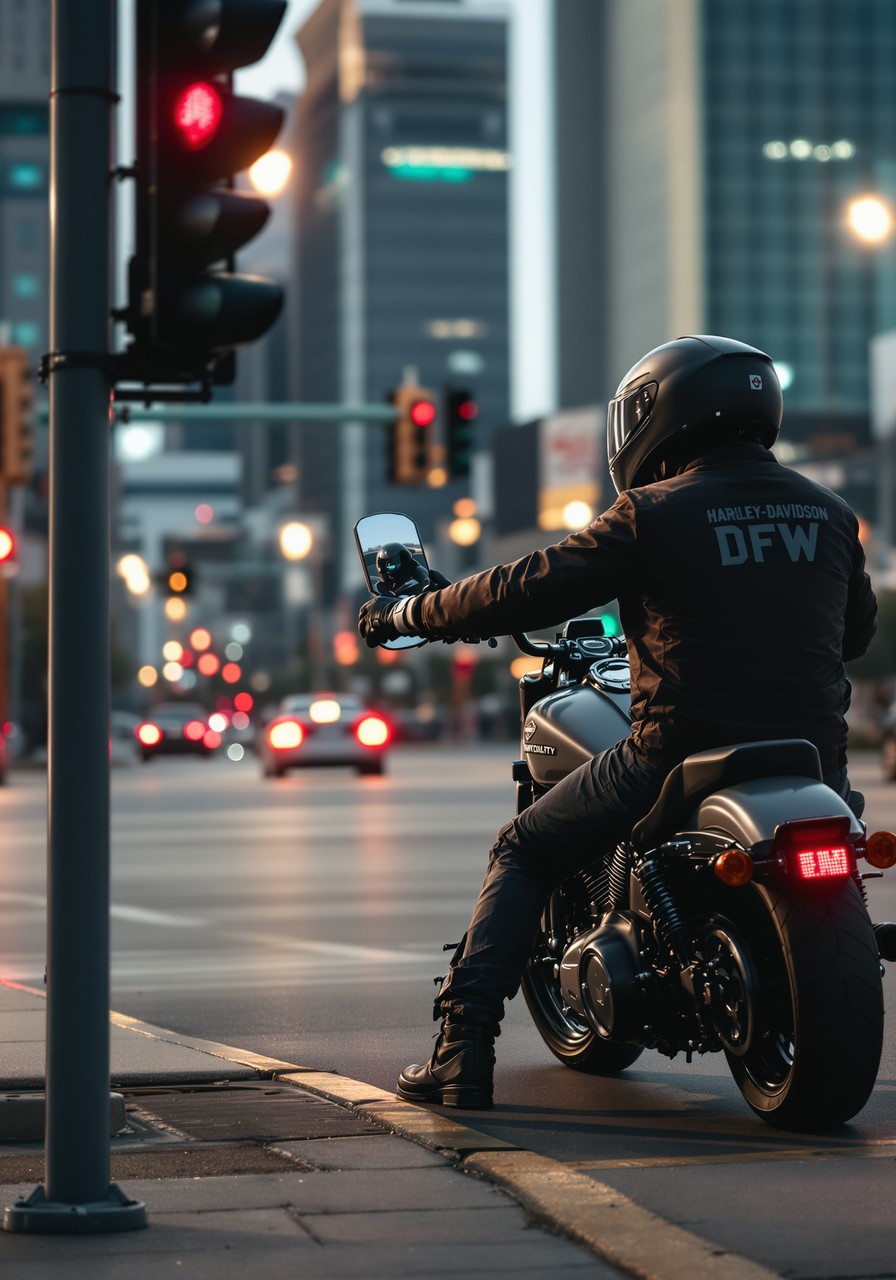
The state minimum leaves a gap you could park a truck in. 30/60/25 is nowhere near a real motorcycle injury bill. UM/UIM closes it. Hurt in a crash? Manuel Diaz, 214-800-2086. #RideNationDFW #UninsuredMotorist #TexasLaw
Engagement
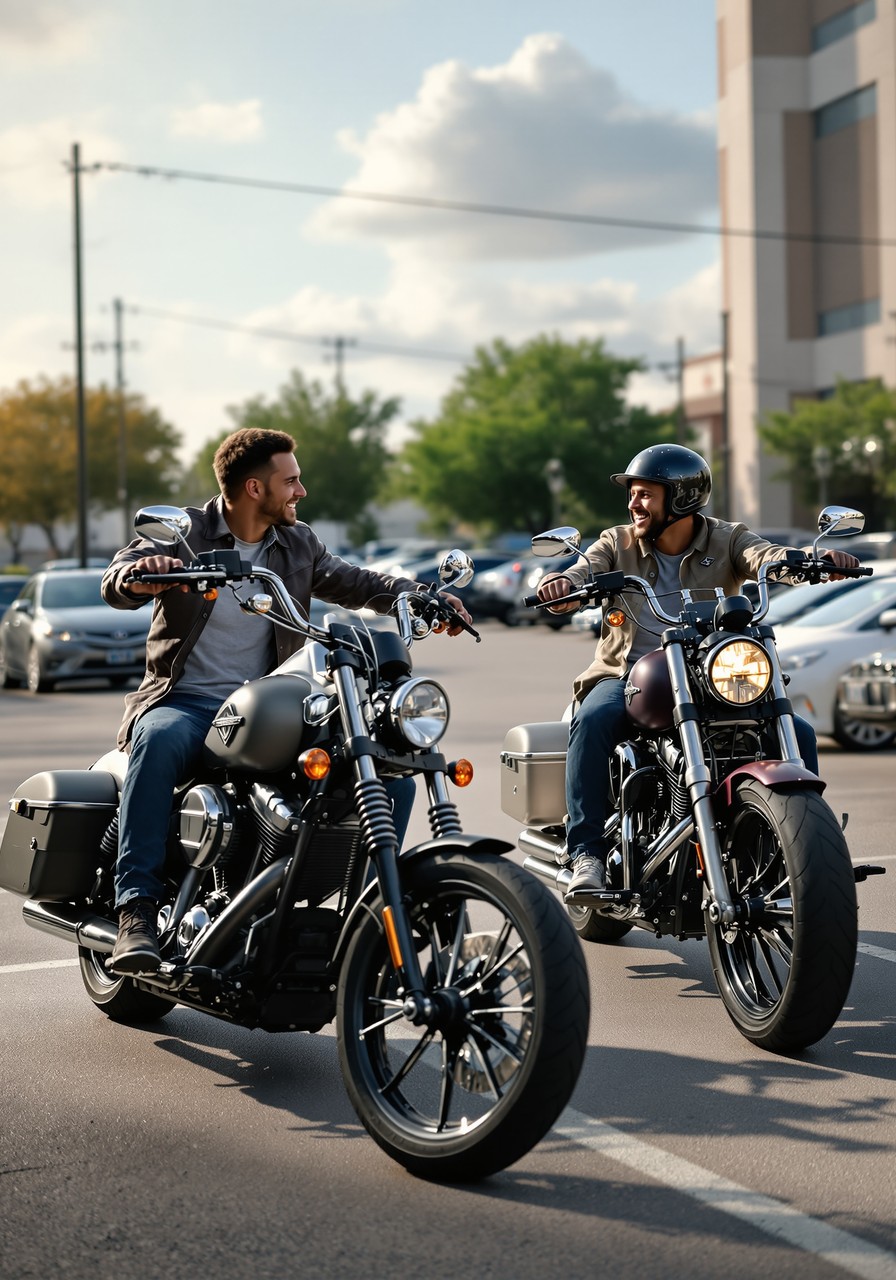
This or that. Early morning quiet roads or lively weekend meetups? #RideNationDFW #DFWRiders #TexasRiders
Giveaway & Countdown
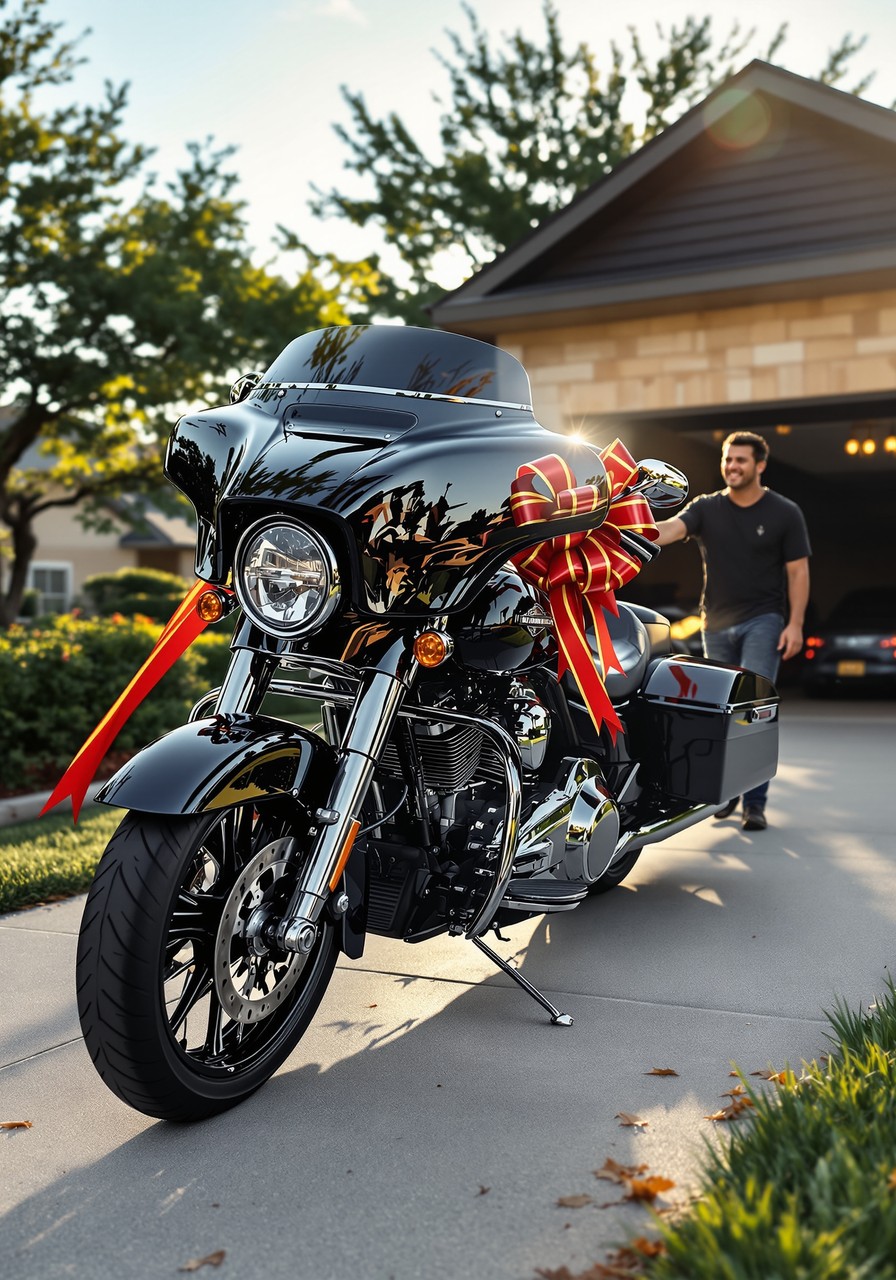
Imagine starting the year with $20,000 toward the motorcycle you have wanted forever. One free entry makes it possible. Entry link in the comments. #RideNationDFW #BikersWin #FreeToEnter
Local DFW & Rides
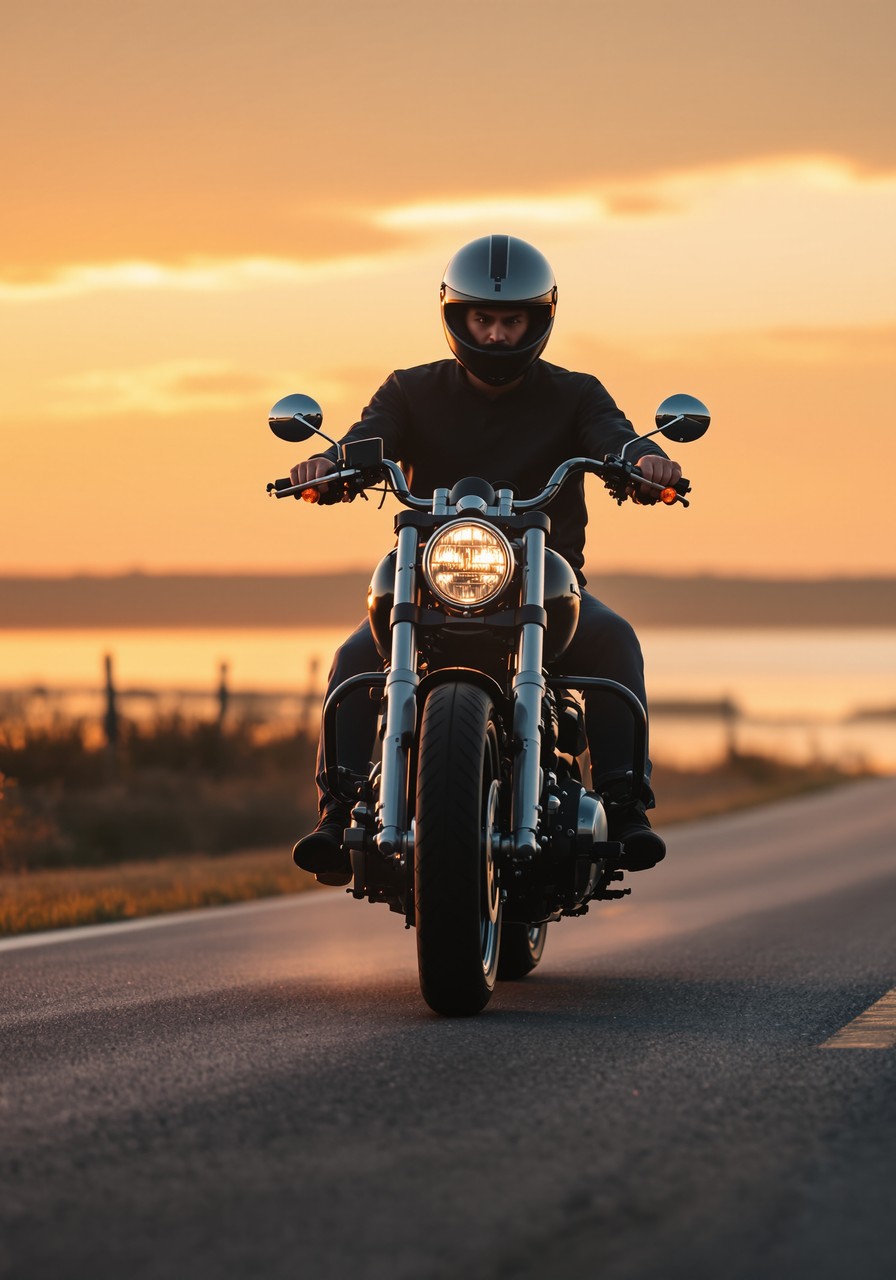
Decatur and the roads north of Fort Worth are underrated. Open ranch country, clean two-lanes, and space to breathe once you clear the loop. #RideNationDFW #FortWorth #NorthTexas
Gear & New Iron
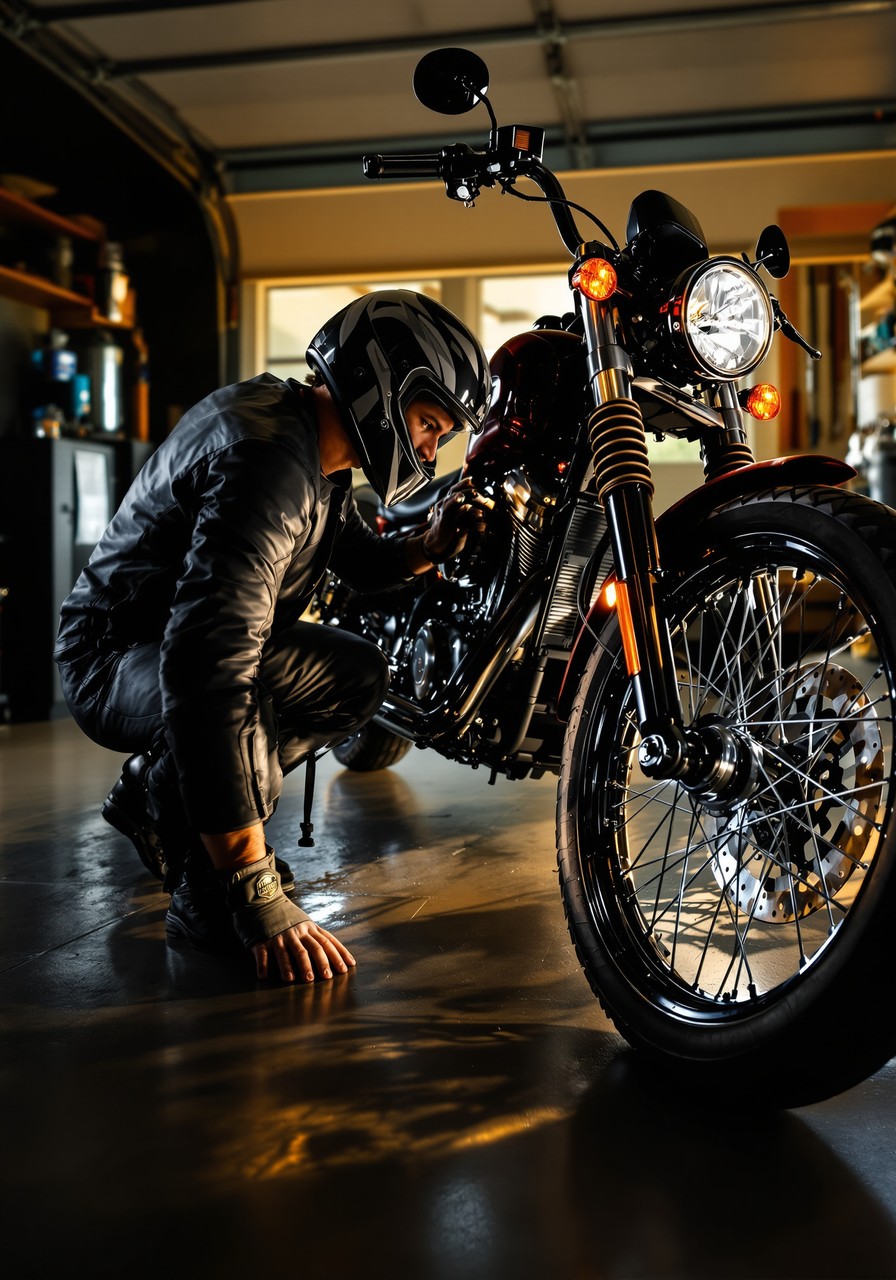
Chain care is not optional. A dry chain wears fast and can snap or lock the rear wheel. Clean and lube it every few hundred miles. #RideNationDFW #MotorcycleMaintenance #RiderTips
Safety & TX Law
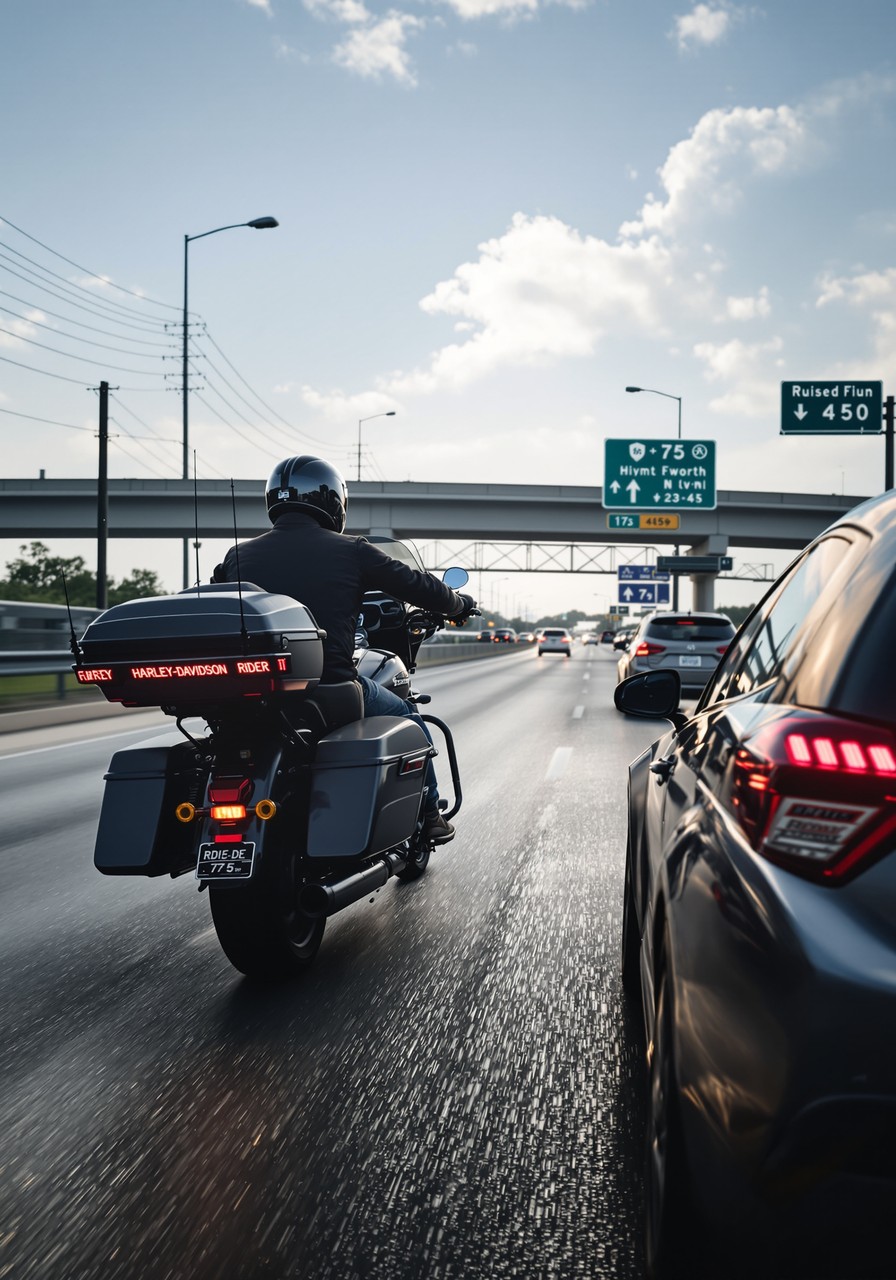
Texas law does not require the other driver to carry enough to cover you, just the minimum. UIM is how you protect against their thin policy. Questions? Diaz Law Firm, 214-800-2086. #RideNationDFW #TexasLaw #KnowYourRights
Engagement
Finish the thought. The best part of riding in Texas is ______. #RideNationDFW #Texas #TwoWheels
Giveaway & Countdown
Tag a riding buddy who slept on the last one. The next $20,000 giveaway is open and free to enter. Do not let them miss it twice. Link in comments. #RideNationDFW #MotorcycleGiveaway #DFWRiders
Local DFW & Rides
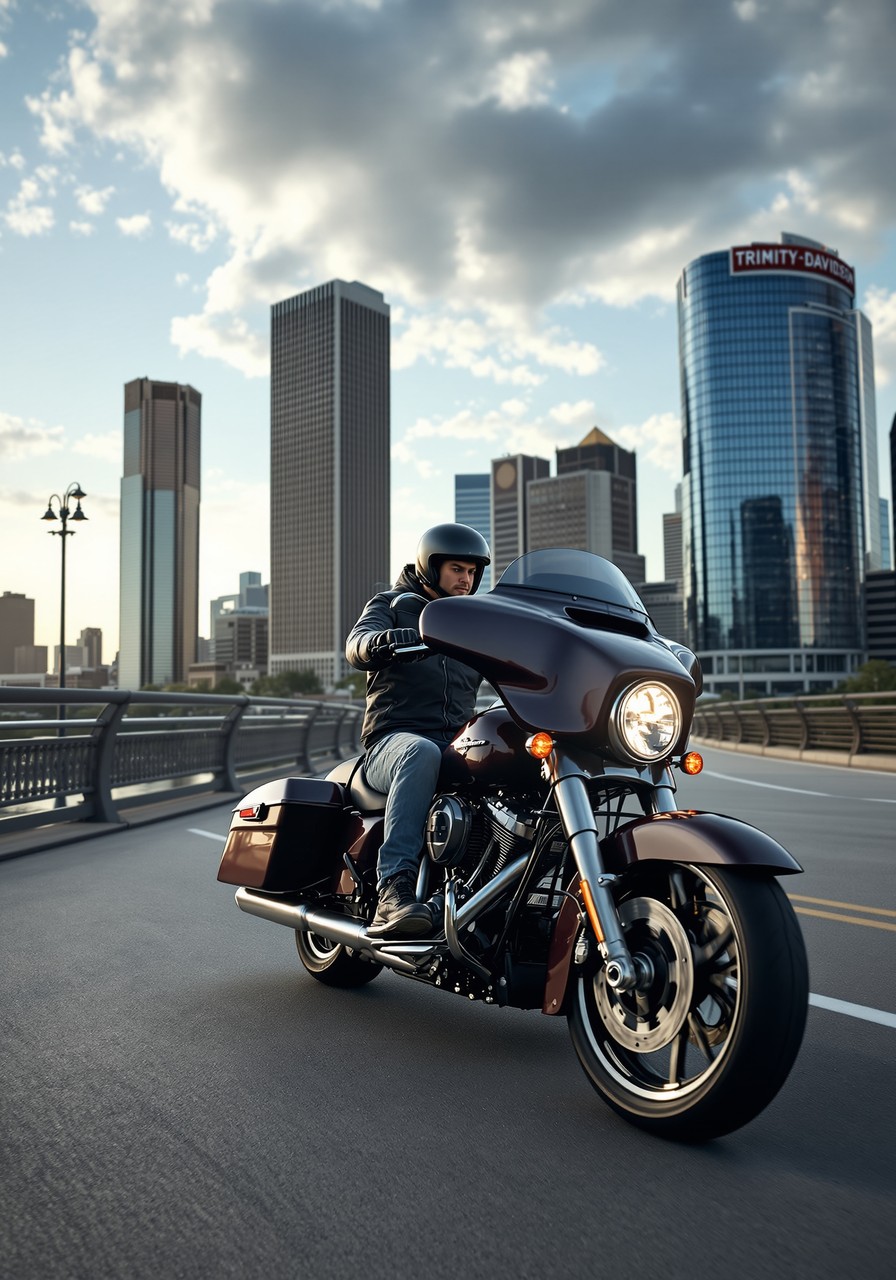
Weatherford back roads west of town are a rider favorite for a reason. Peach stands in summer, easy sweepers, and a straight shot to Hwy 377. #RideNationDFW #FortWorth #MotorcycleRoads
Gear & New Iron
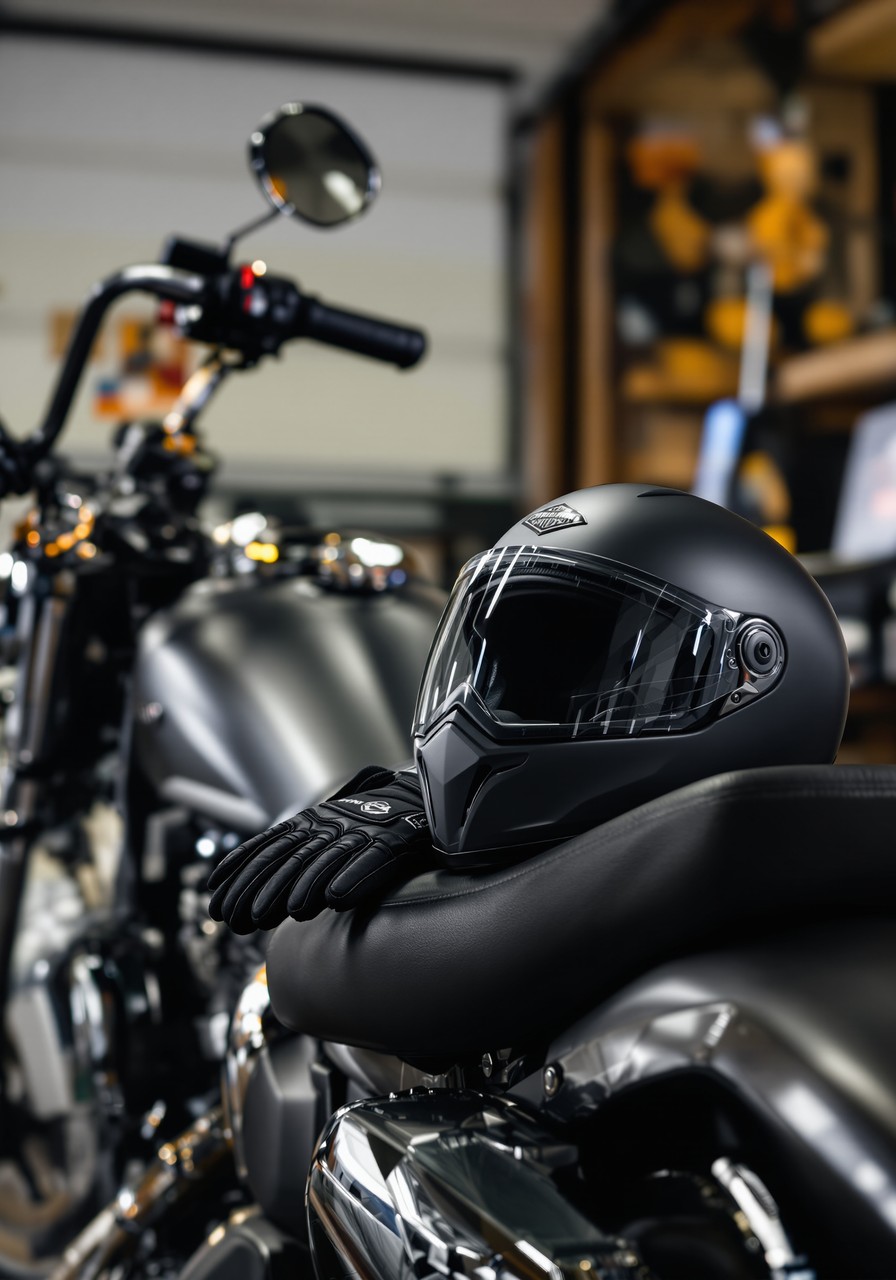
Set your chain slack to spec, not by feel. Too tight strains the sprockets, too loose can jump. Your manual has the number, use it. #RideNationDFW #MotorcycleMaintenance #BikerLife
Safety & TX Law
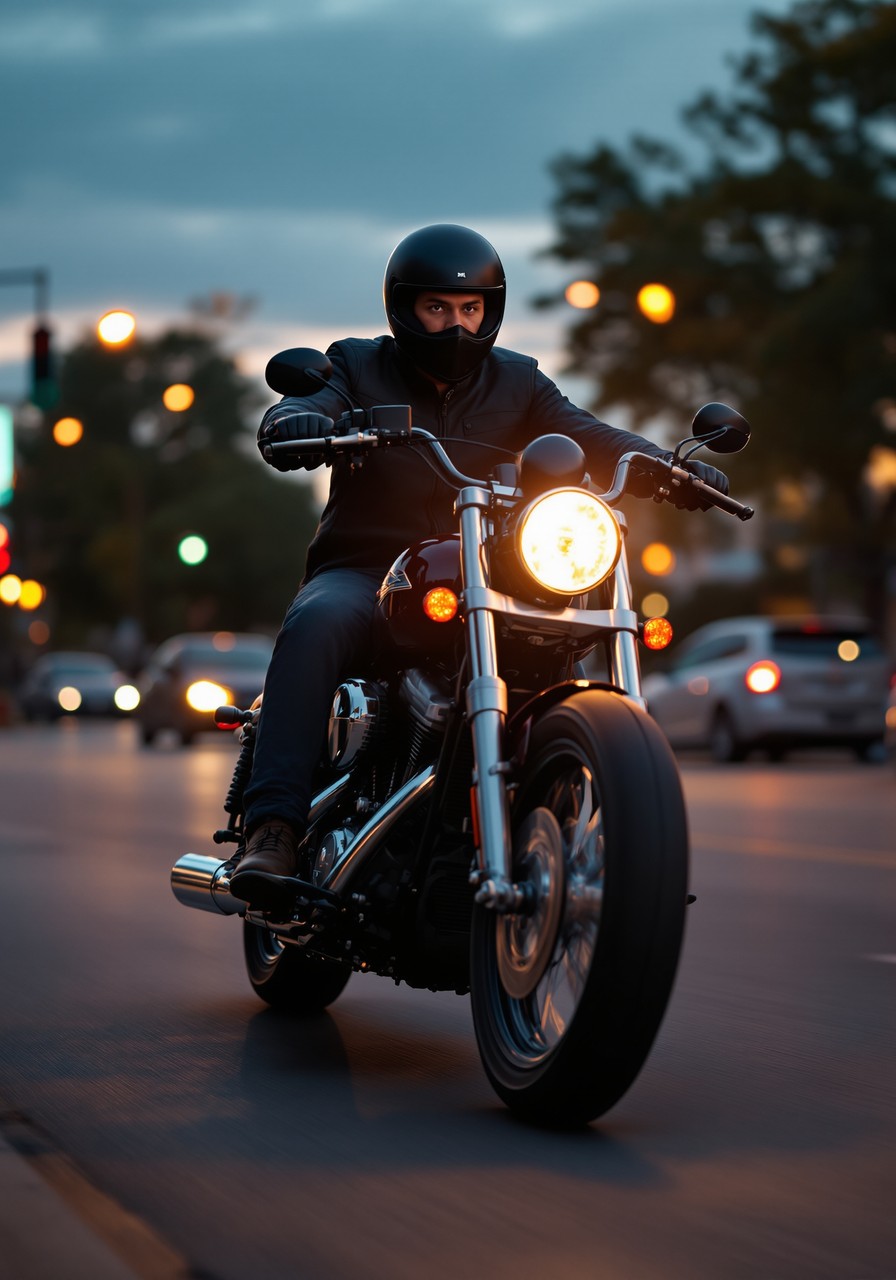
Skip the helmet at 21 plus and Texas wants proof of a safety course or 10,000 in medical coverage. Carry the paperwork, or just wear the lid. Hurt riding? Manuel Diaz, 214-800-2086. #RideNationDFW #MotorcycleSafety #RiderSafety
Engagement
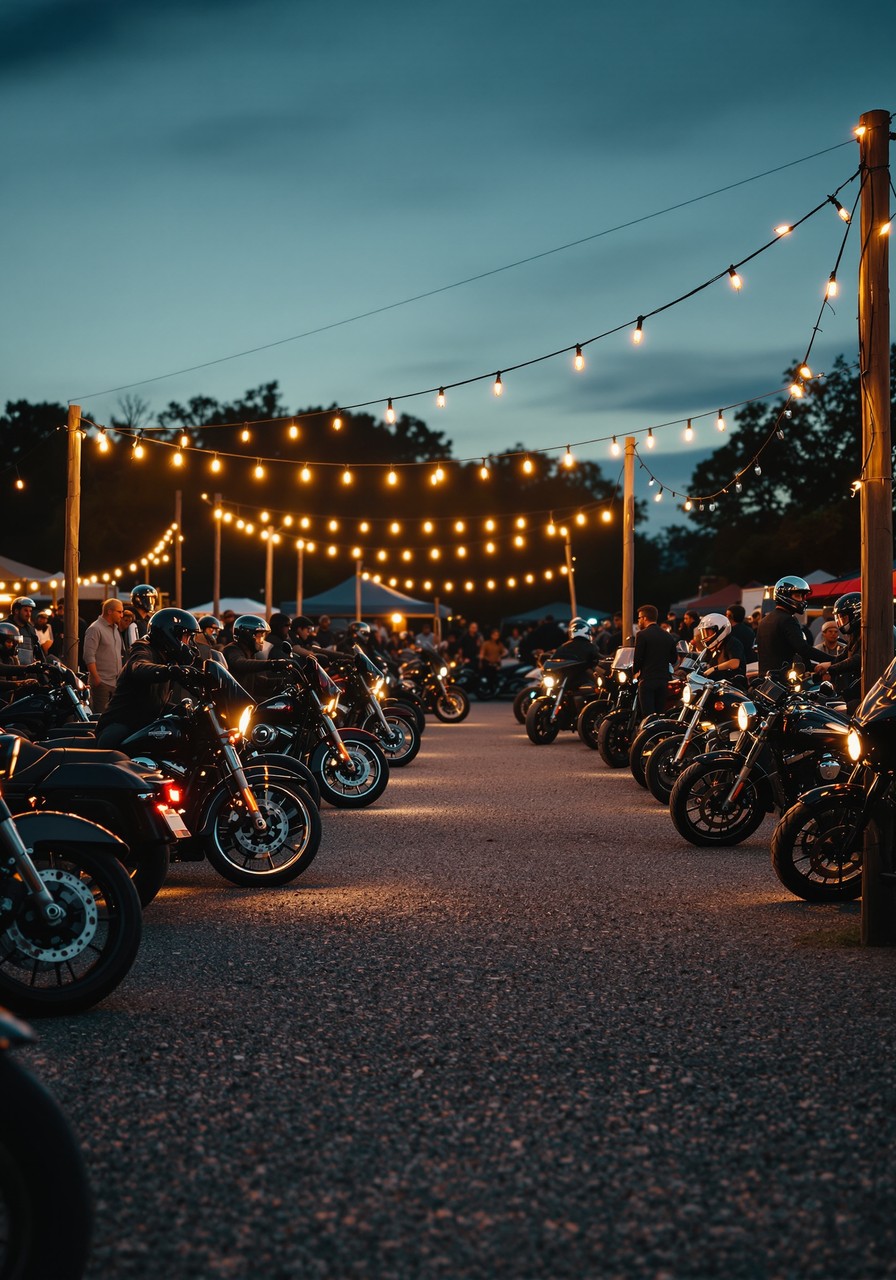
Tag the friend you are dragging to the first spring ride. It is closer than you think. #RideNationDFW #RideOrDie #DFWRiders
Giveaway & Countdown
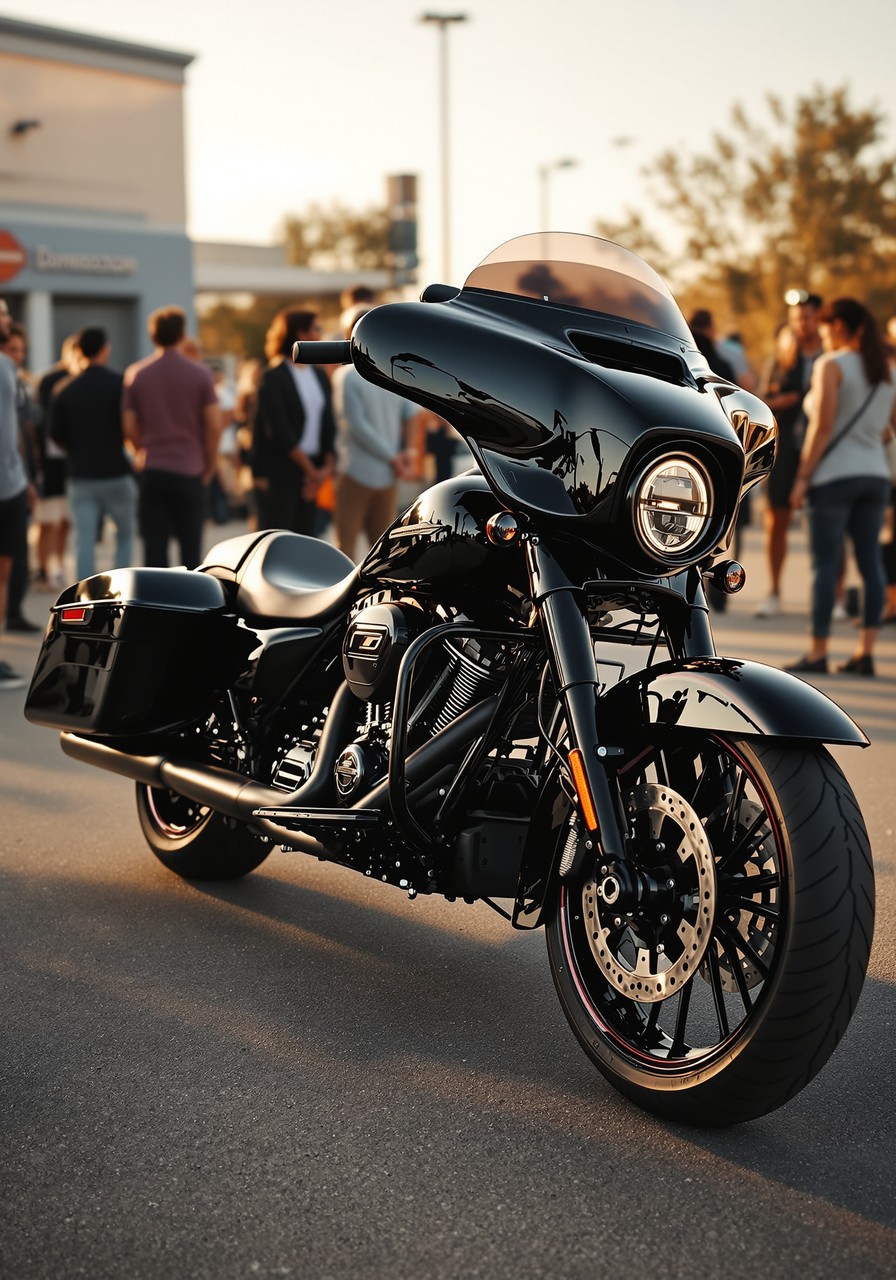
Why not you this time? A fresh $20,000 winner is coming and entry is free for every rider 18 and up. Get in early. Entry link in the comments. Diaz Law Firm, 214-800-2086. #RideNationDFW #BikersWin #WinABike
Local DFW & Rides
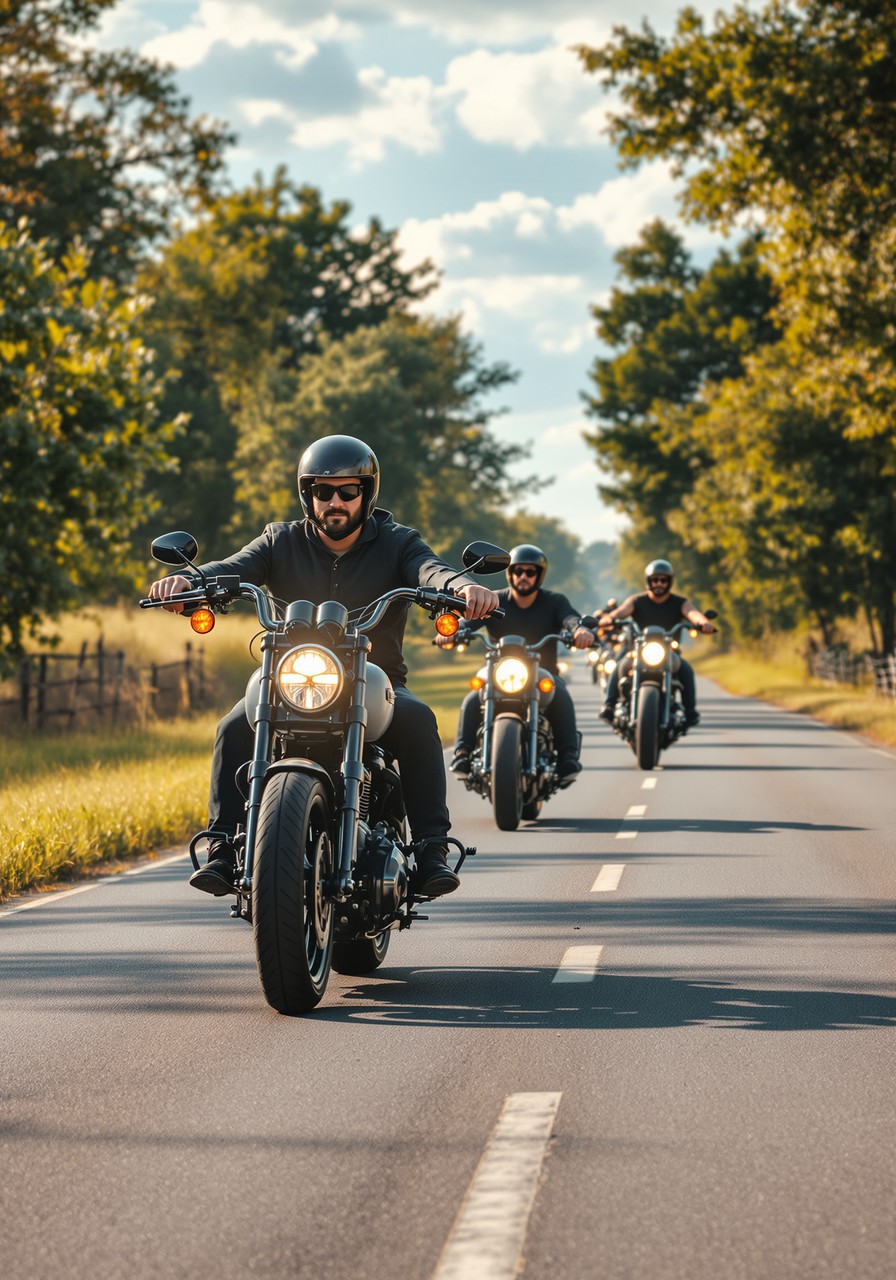
Stockyards on a Sunday is more parade than ride, and that is the point. Slow roll, cattle drive crowds, and the best people-watching in Fort Worth. #RideNationDFW #Stockyards #FortWorth
Gear & New Iron
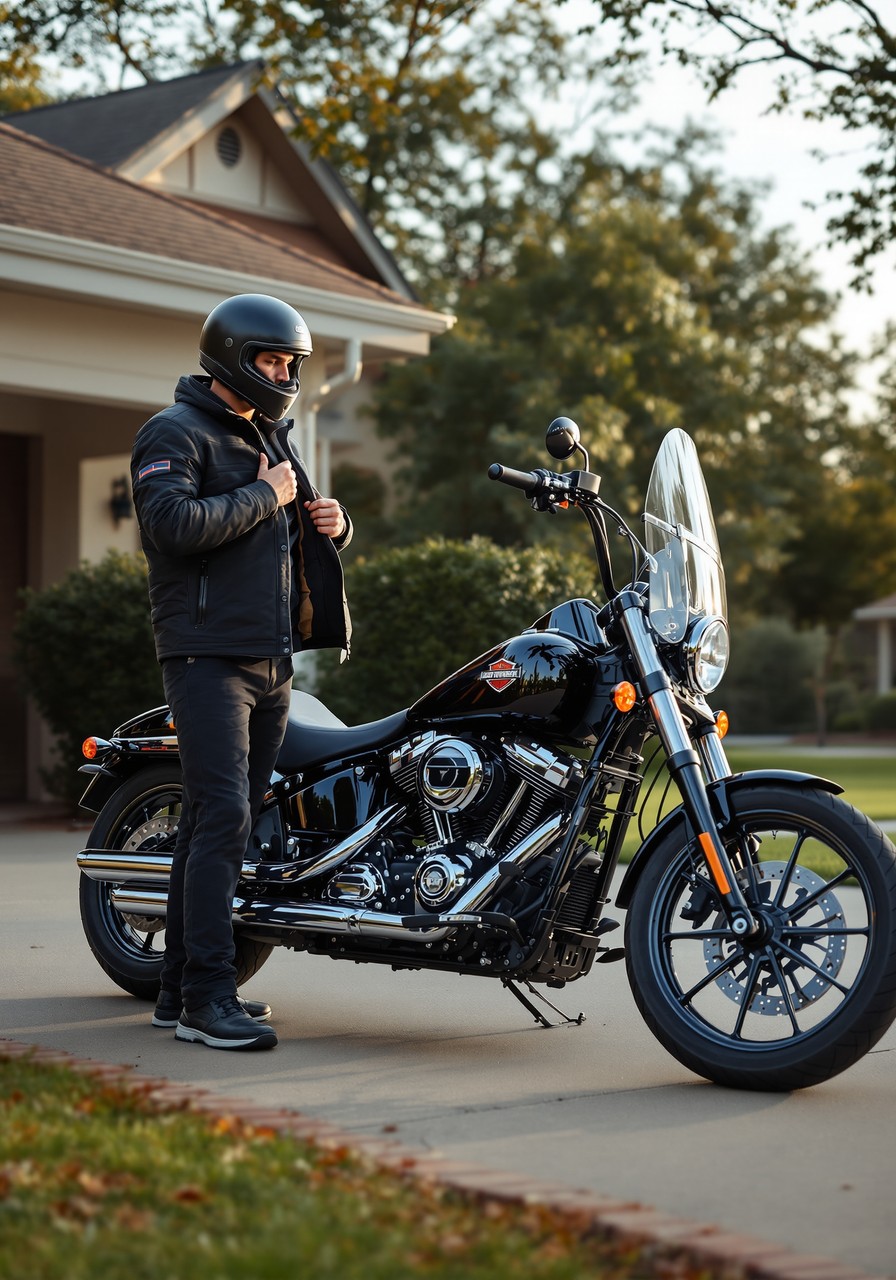
Foggy visor at a cold morning stop light is a real hazard. Crack the visor at lights or run an anti fog insert so you can actually see. #RideNationDFW #RiderTips #GearUp
Safety & TX Law
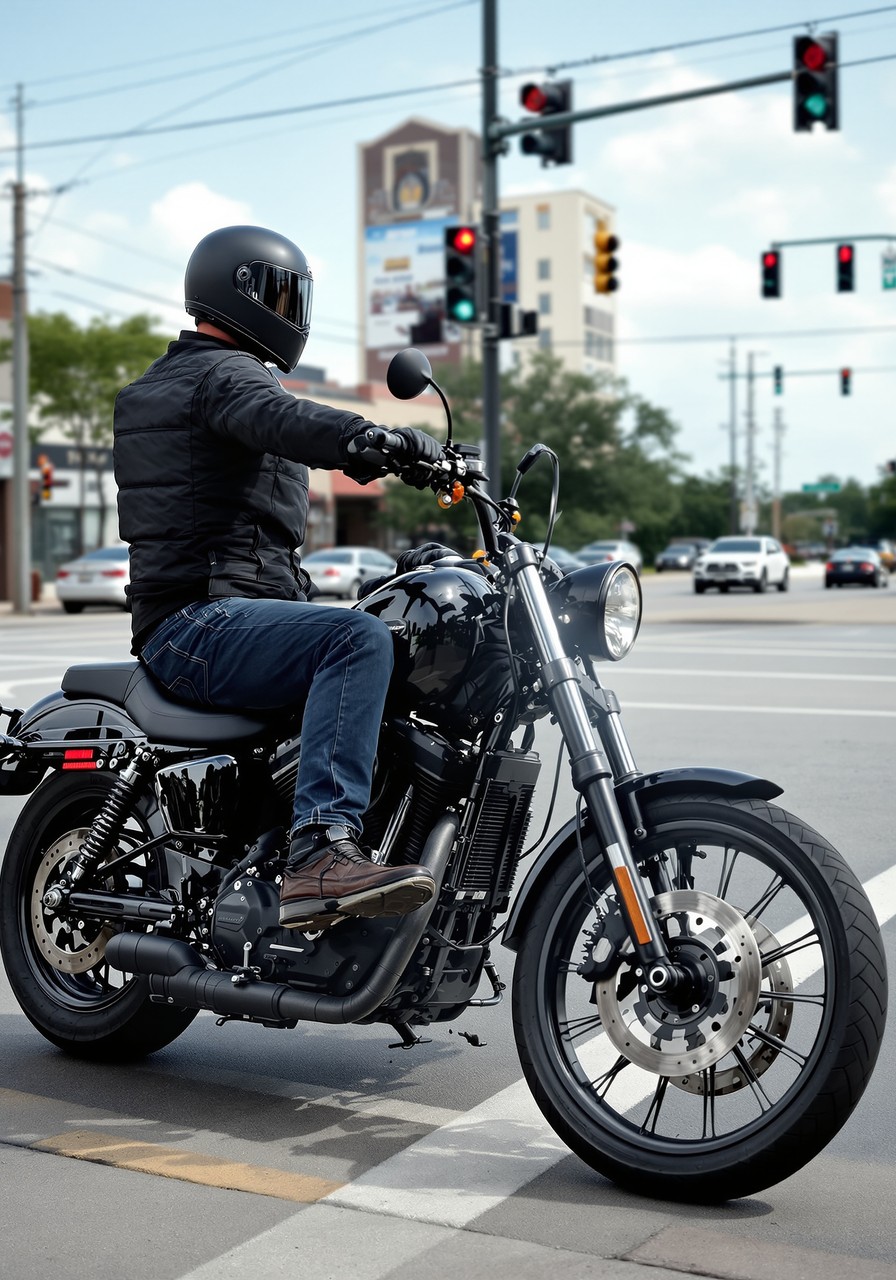
Rain slicks the paint lines and metal plates worse than the road itself. Ease off, brake smooth, and give it distance. Ride your own ride. If a driver still hits you, Diaz Law Firm, 214-800-2086. #RideNationDFW #RiderSafety #MotorcycleSafety
Engagement
Drop one emoji that sums up your riding style. Just one. #RideNationDFW #BikerLife #DallasMotorcycles
Giveaway & Countdown
What bike is on your dream list this year? Tell us below, then enter free for a shot at $20,000 toward it. Link in comments. #RideNationDFW #20kGiveaway #DallasMotorcycles
Local DFW & Rides
Grapevine to Denton on the back roads keeps you off I-35 and out of the mess. A little longer, a lot more fun, and no construction barrels. #RideNationDFW #NorthTexas #MotorcycleRoads
Gear & New Iron
A pinlock insert kills visor fog on those chilly DFW mornings. Cheap upgrade, huge difference when your breath wants to blind you. #RideNationDFW #GearUp #RiderTips
Safety & TX Law
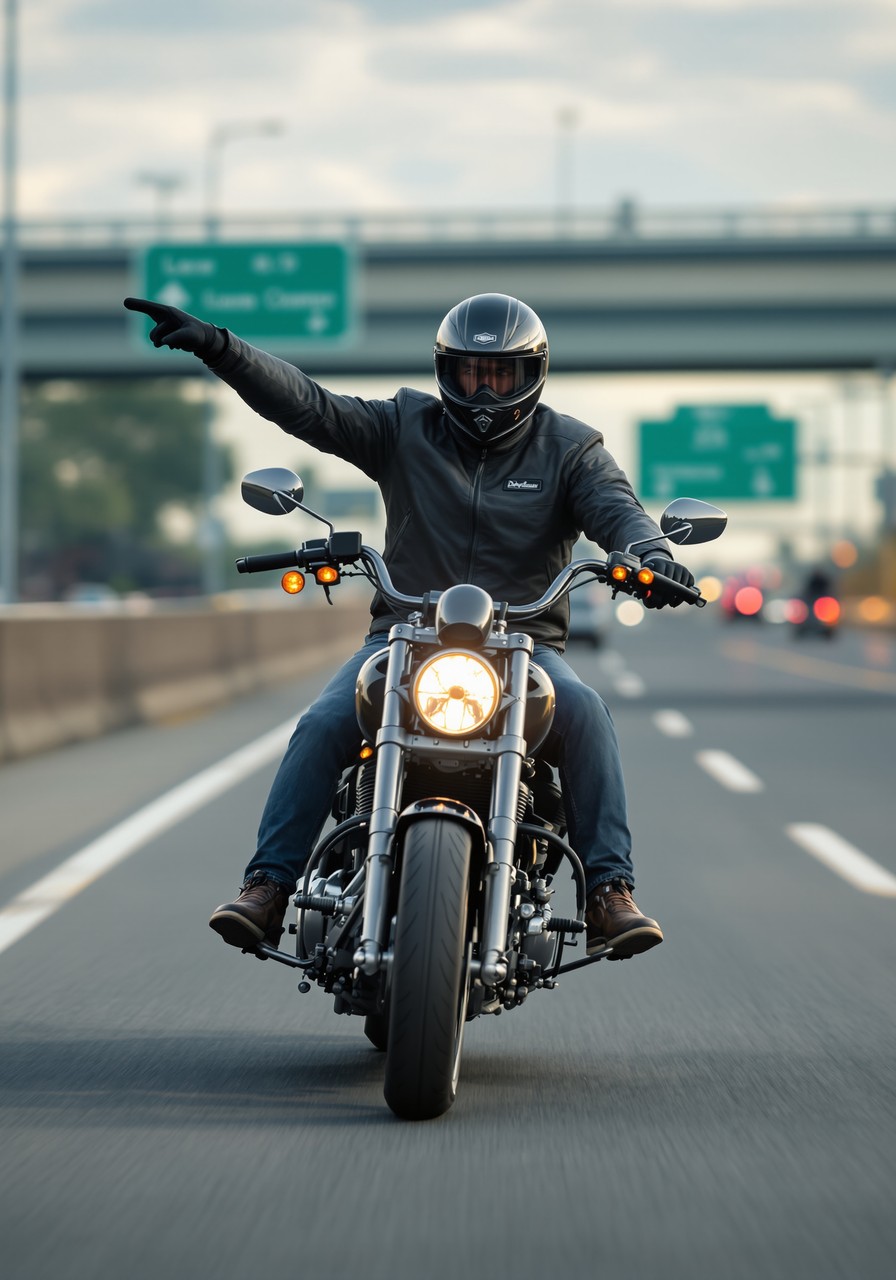
New tires and fresh rain do not mix. Take the first few miles easy while the rubber scrubs in. Small habits keep you upright. Hurt in a crash that was not your fault? Manuel Diaz, 214-800-2086. #RideNationDFW #RiderSafety #MotorcycleSafety
Engagement
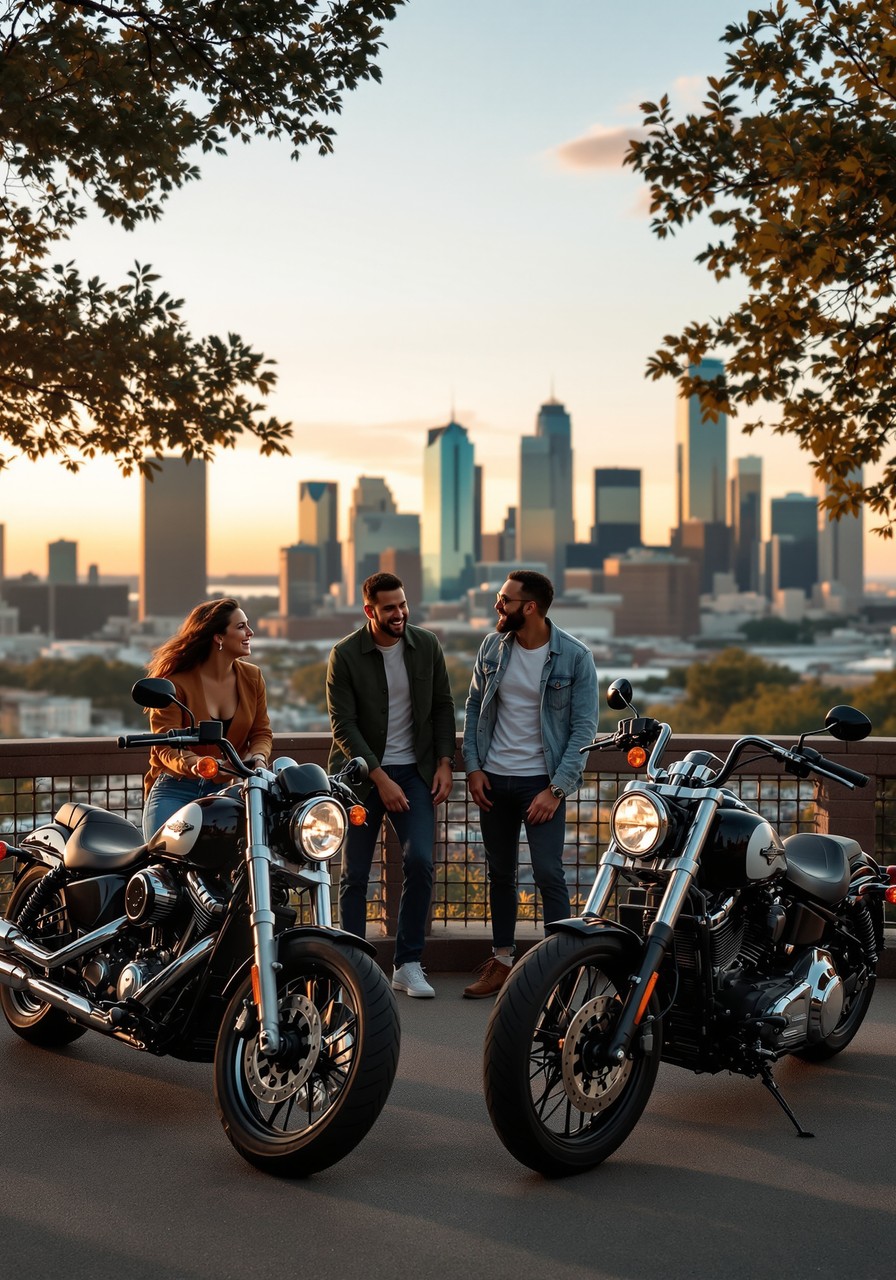
This or that. Loud pipes or smooth and quiet? Settle the debate below. #RideNationDFW #TwoWheels #TexasRiders
Giveaway & Countdown
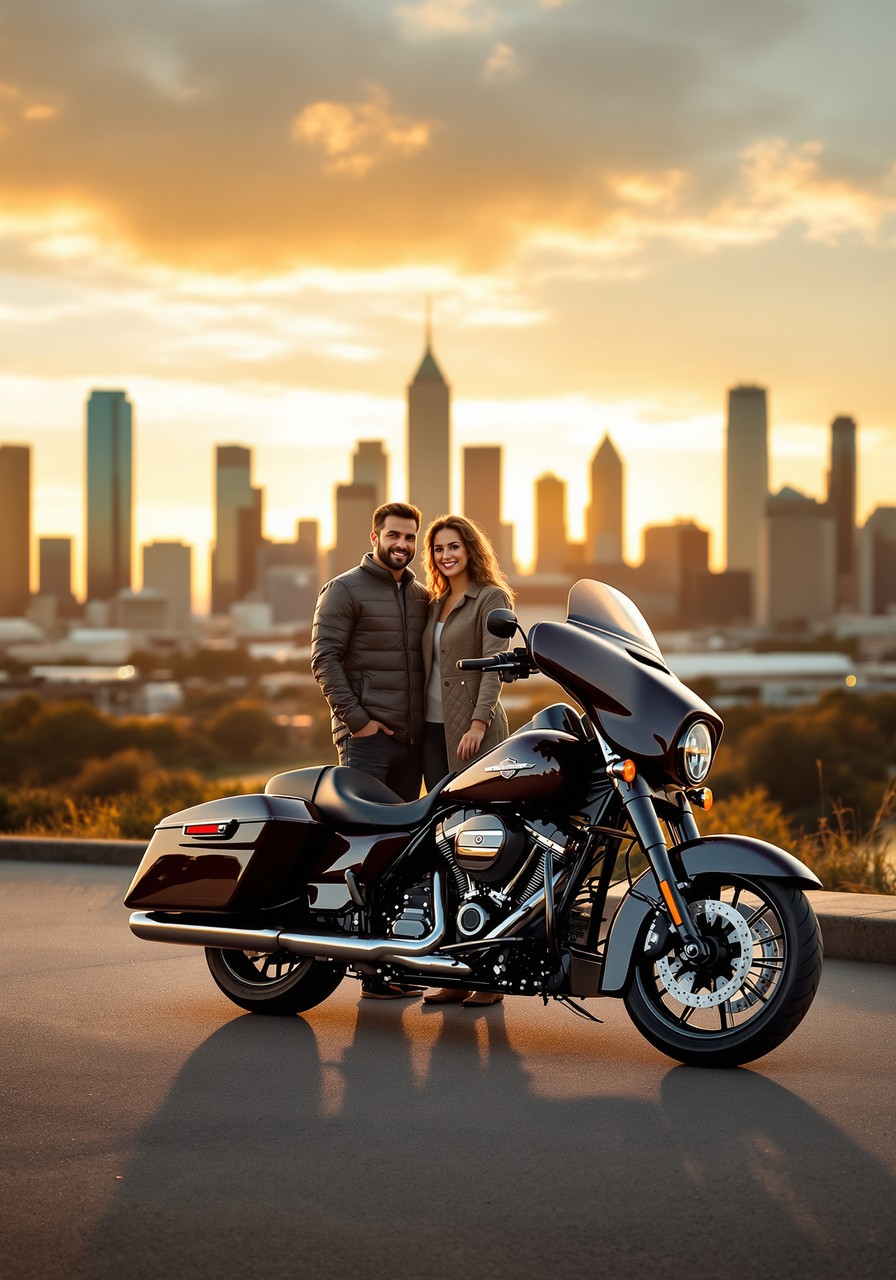
Staying entered is the smartest free move you will make all season. The next BikersWin $20,000 giveaway is open now. Entry link in the comments. #RideNationDFW #MotorcycleGiveaway #FreeToEnter
Local DFW & Rides
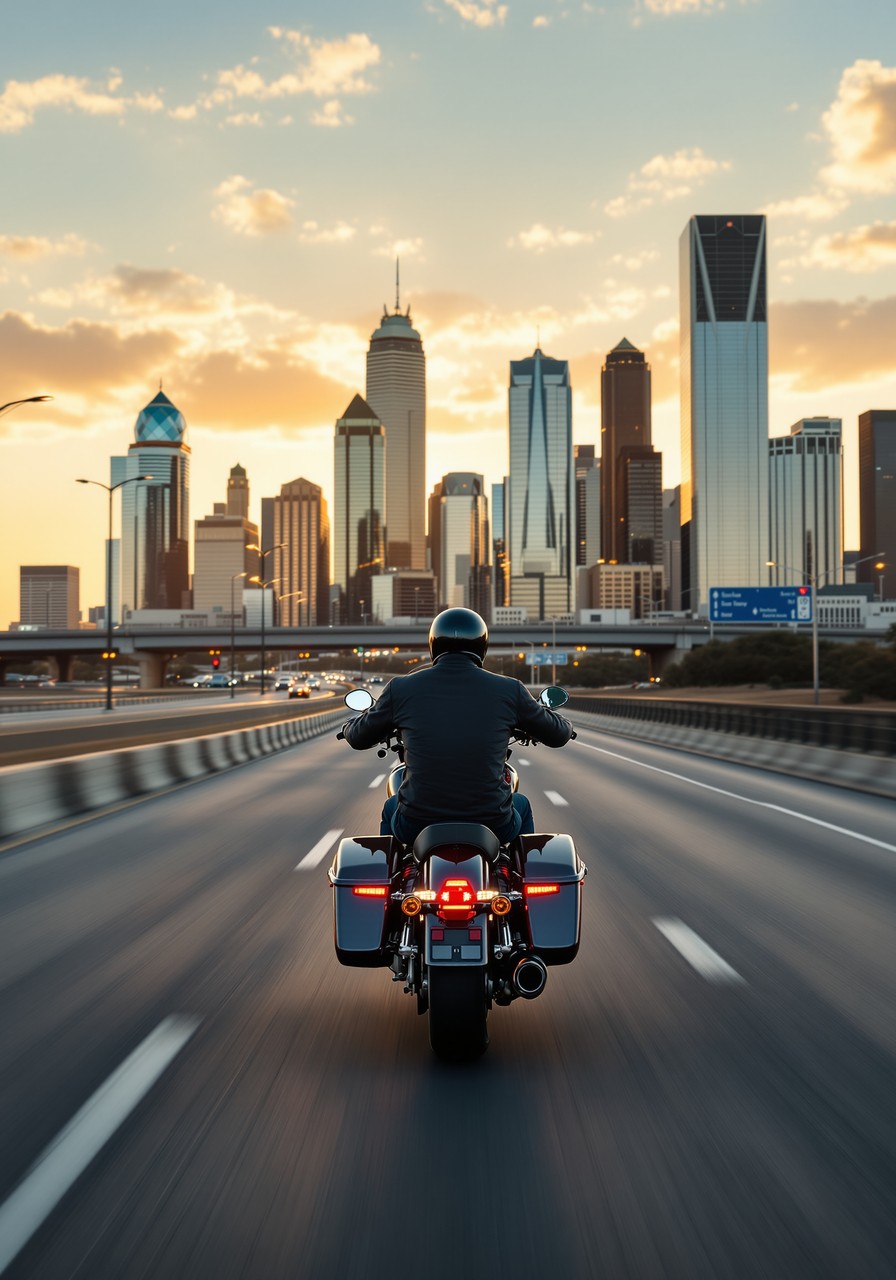
Watch the FM road edges after a heavy North Texas rain. Water pushes sand and gravel out of the ditches and right into your line. #RideNationDFW #TexasRiding #MotorcycleRoads
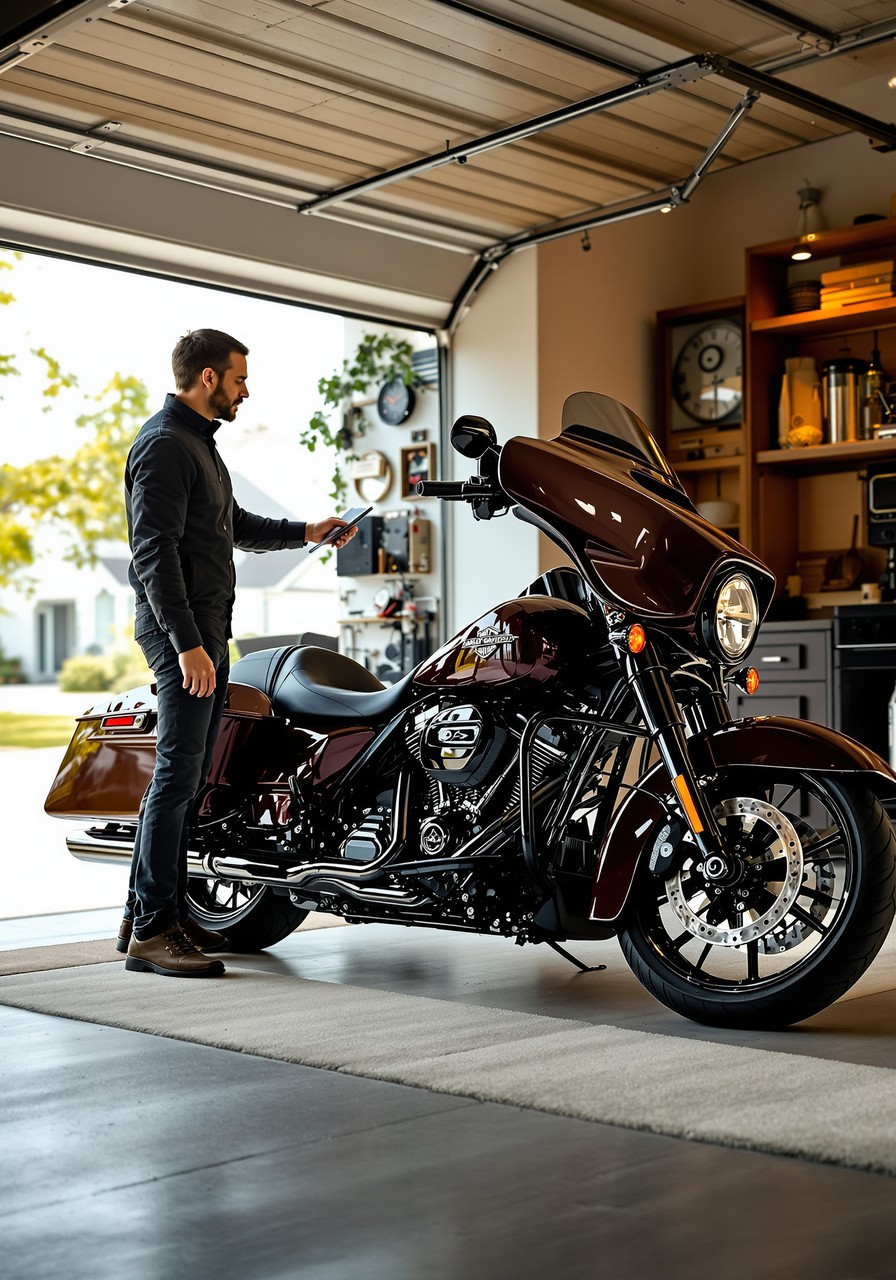
Gear & New Iron
New iron dropping this year leans hard into rider aids. Cornering ABS and traction control are not cheating, they are extra margin when the road surprises you. #RideNationDFW #NewIron #RiderTips
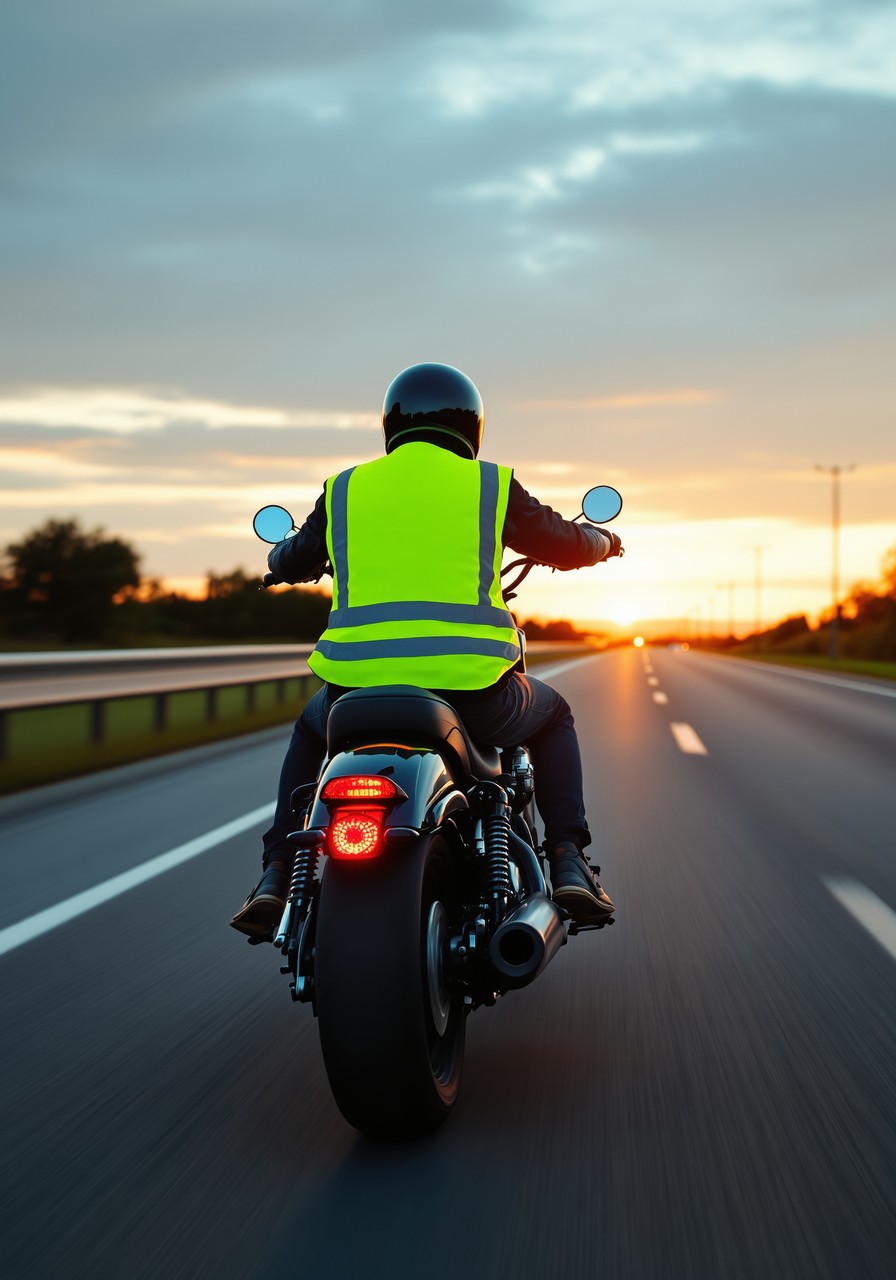
Safety & TX Law
Two years to file, but memories and evidence fade in weeks. The sooner you document a Texas crash, the stronger you stand. No rush on the deadline is a myth. Talk to Diaz Law Firm, 214-800-2086. #RideNationDFW #TexasLaw #KnowYourRights
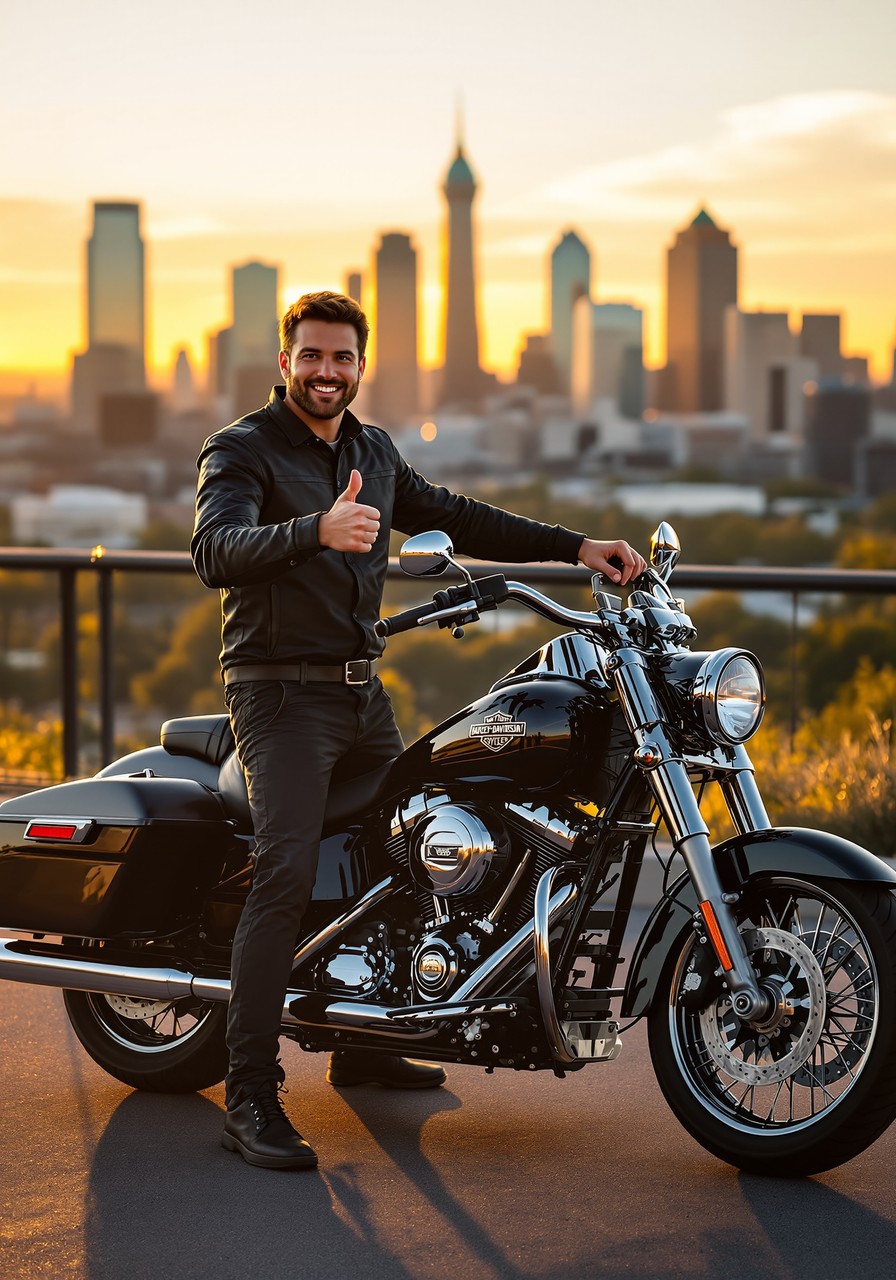
Engagement
Fill in the blank. If I could ride anywhere in Texas tomorrow, it would be ______. #RideNationDFW #DFWRiders #Texas
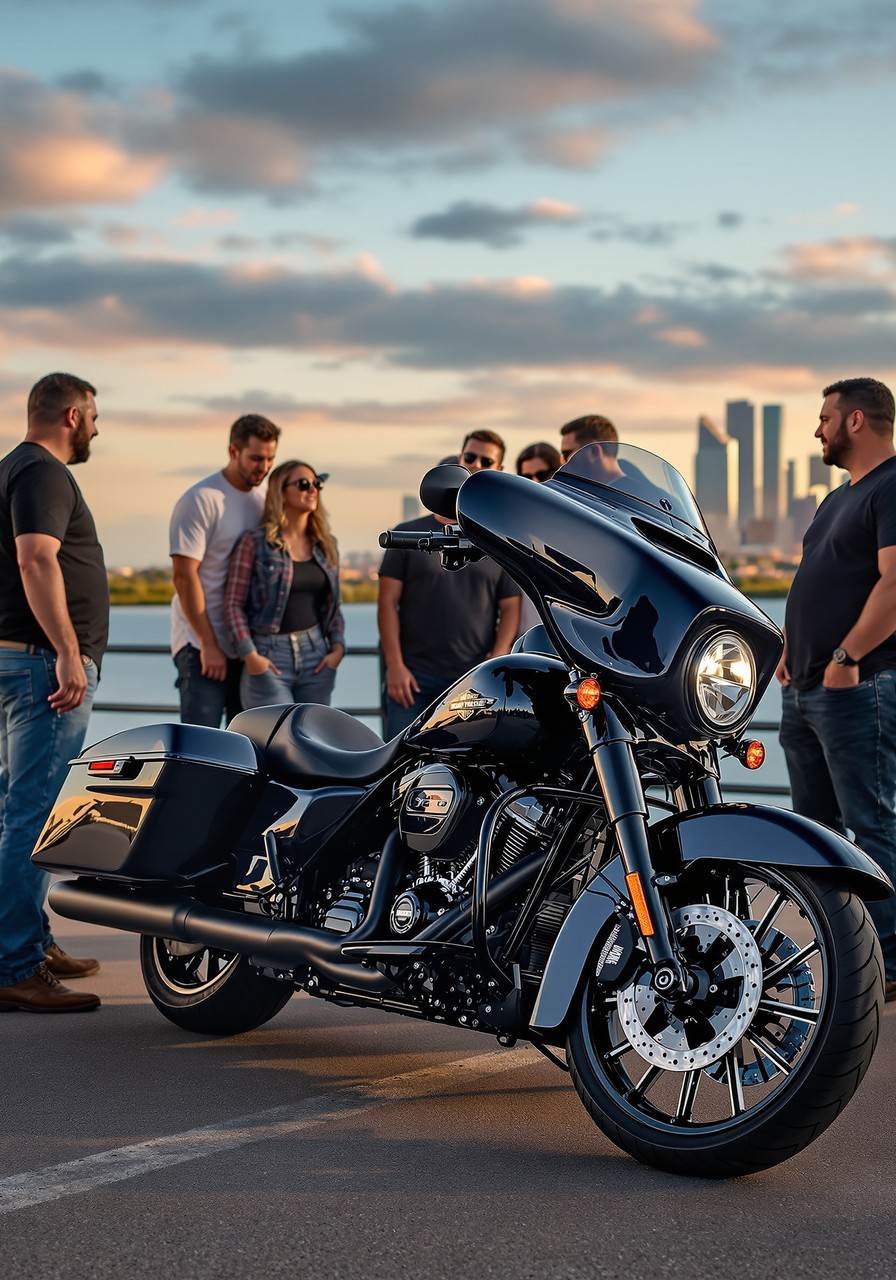
Giveaway & Countdown
February riders, this one is for you. $20,000 toward any motorcycle, free to enter, riders 18 and up. Your shot is waiting. Link in comments. Diaz Law Firm, 214-800-2086. #RideNationDFW #BikersWin #DFWRiders
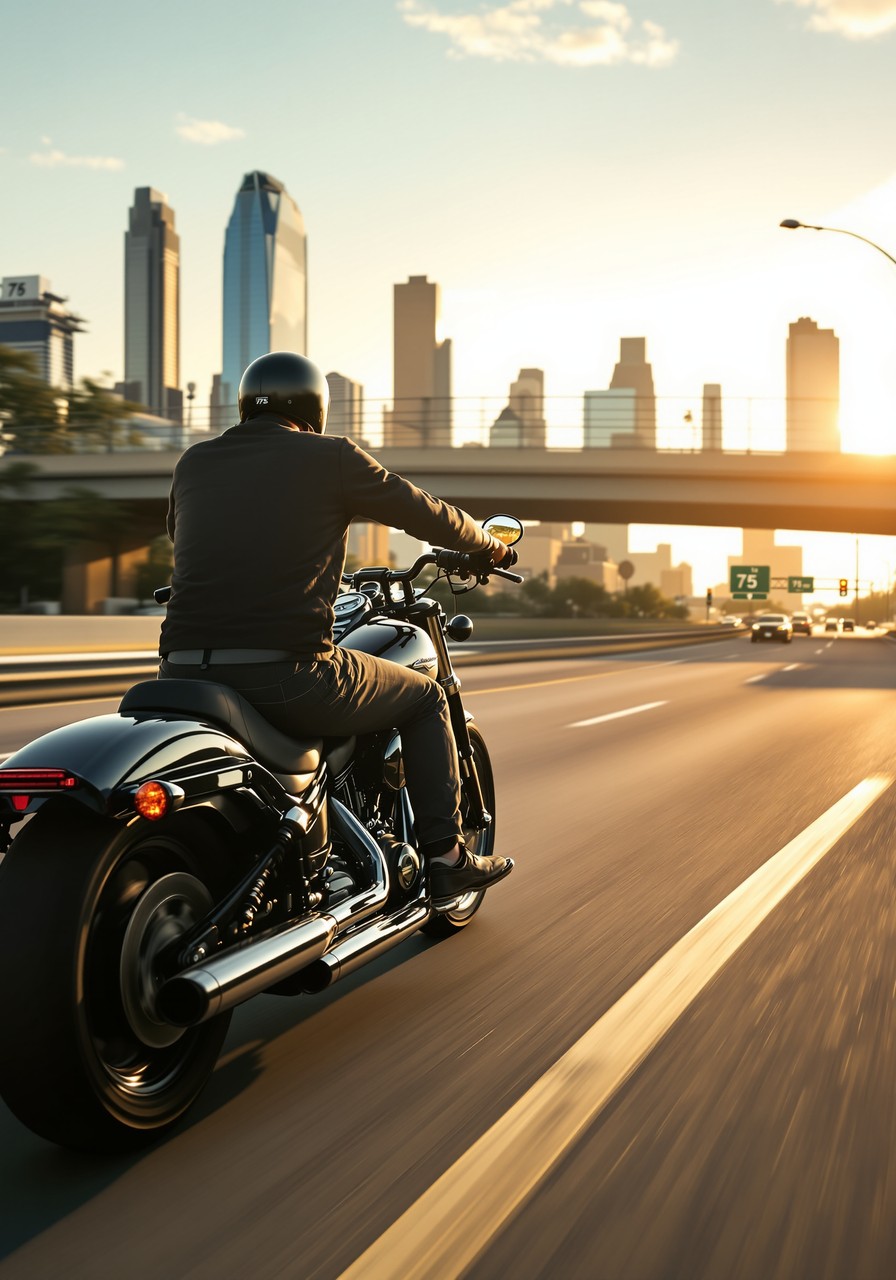
Local DFW & Rides
Bike night in the Stockyards is the easiest way to meet the DFW riding community. Park, walk the brick, and you will leave with a new route recommendation every time. #RideNationDFW #Stockyards #DFWRiders
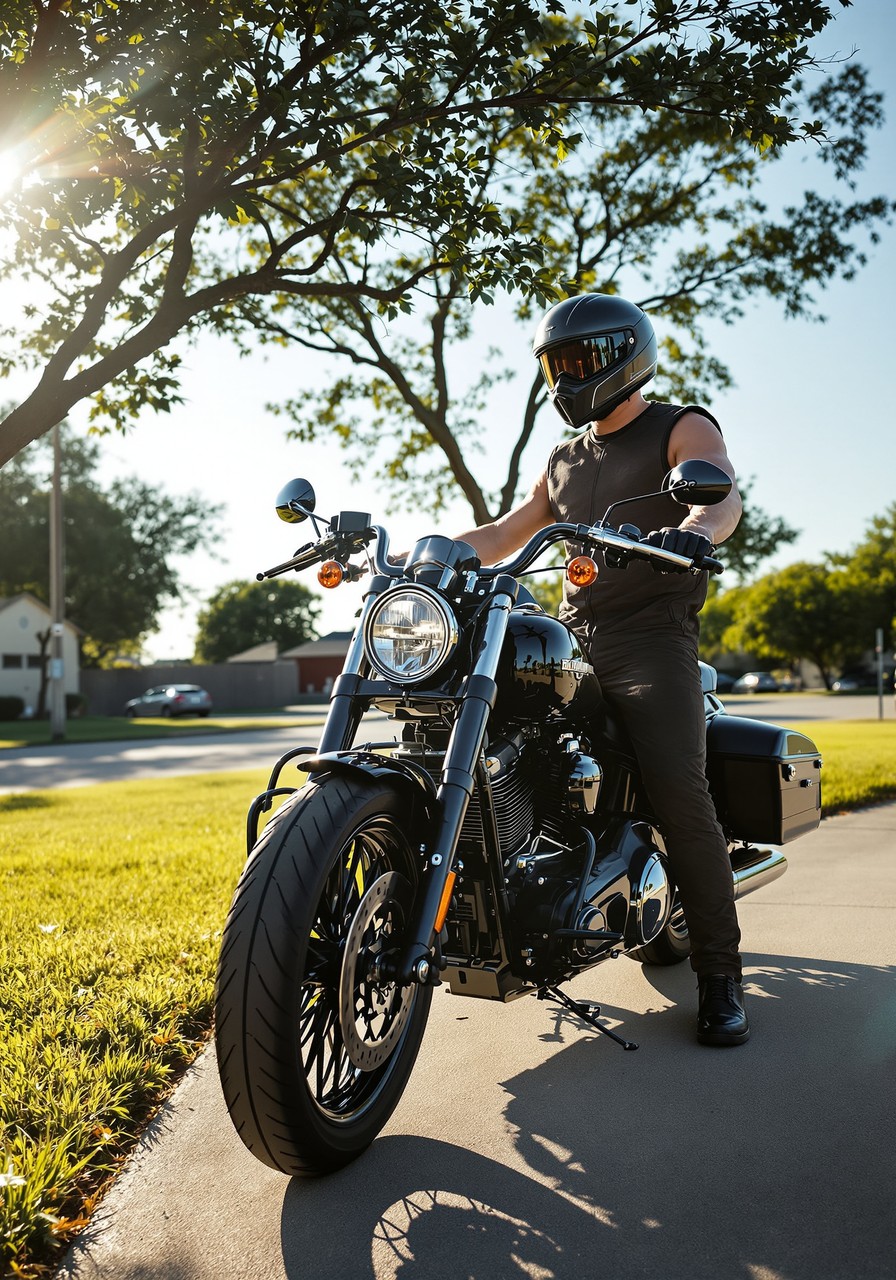
Gear & New Iron
Shopping for a new bike? Do not just chase horsepower. Look at the brakes, the tires it ships with, and whether it fits your body. Fit keeps you safer than specs. #RideNationDFW #NewIron #DFWRiders
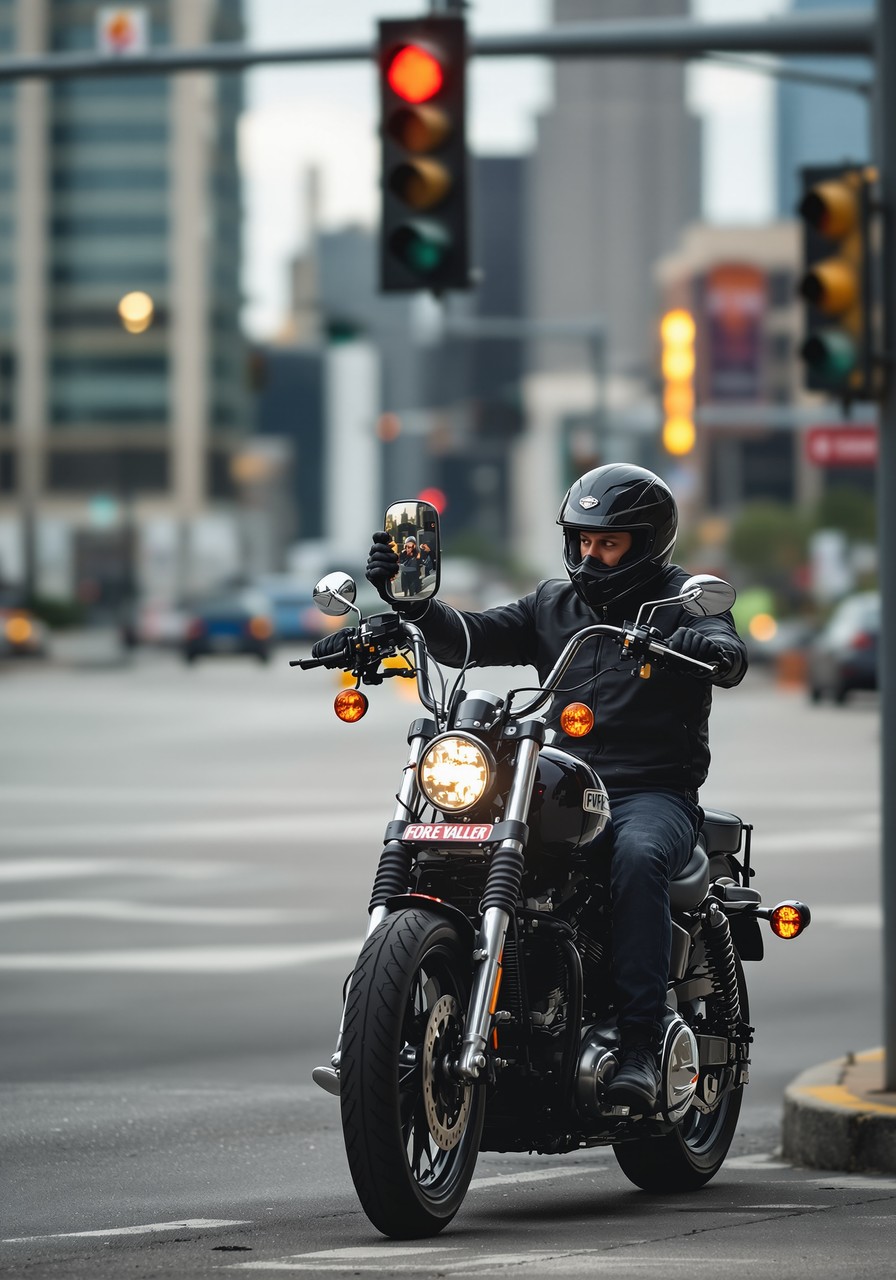
Safety & TX Law
A driver on their phone drifts into your lane and swears they never saw you. In Texas, your documentation is what keeps the fault off you. Hurt riding? Manuel Diaz, 214-800-2086. #RideNationDFW #KnowYourRights #RiderSafety
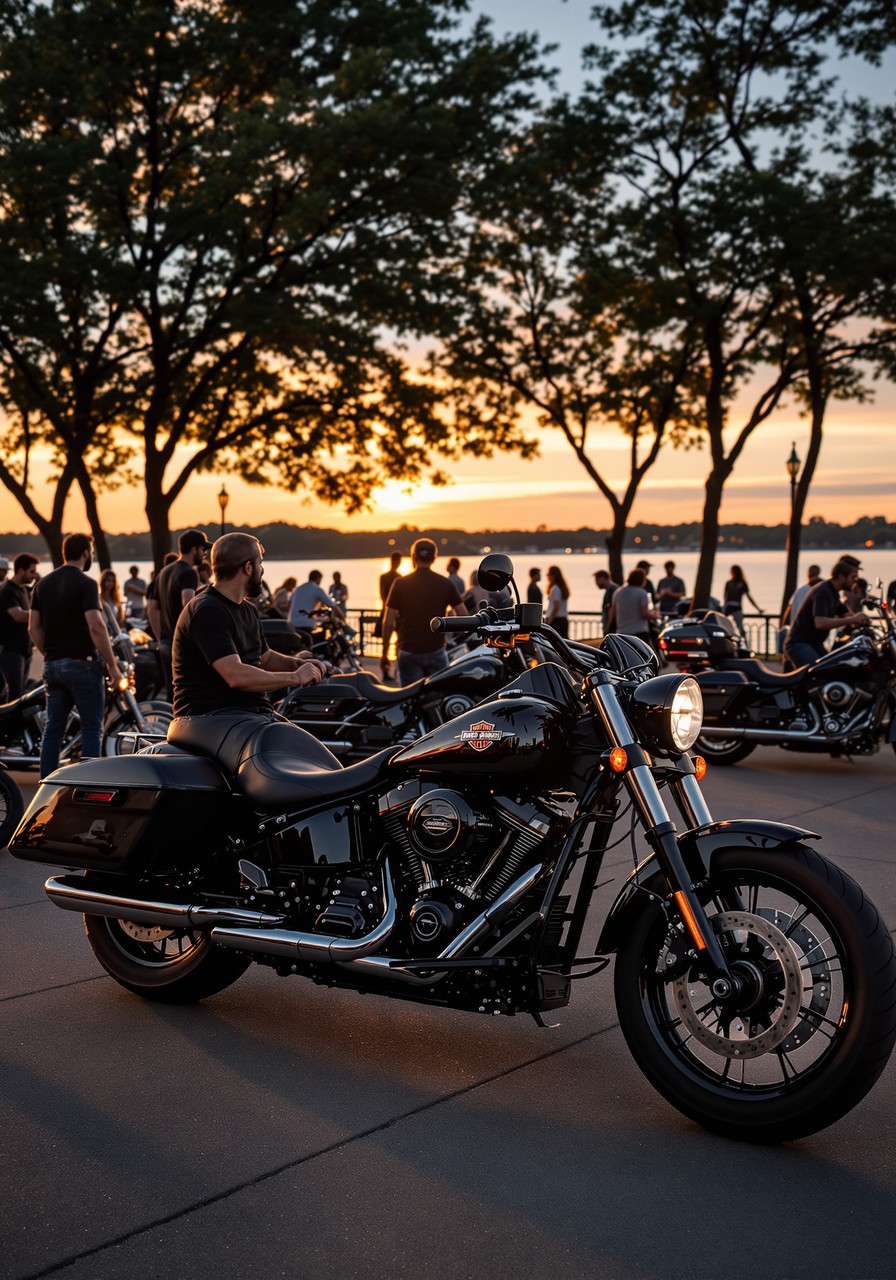
Engagement
Spring is coming. What is the first ride you are planning once it warms up? #RideNationDFW #FortWorth #TwoWheels
Giveaway & Countdown
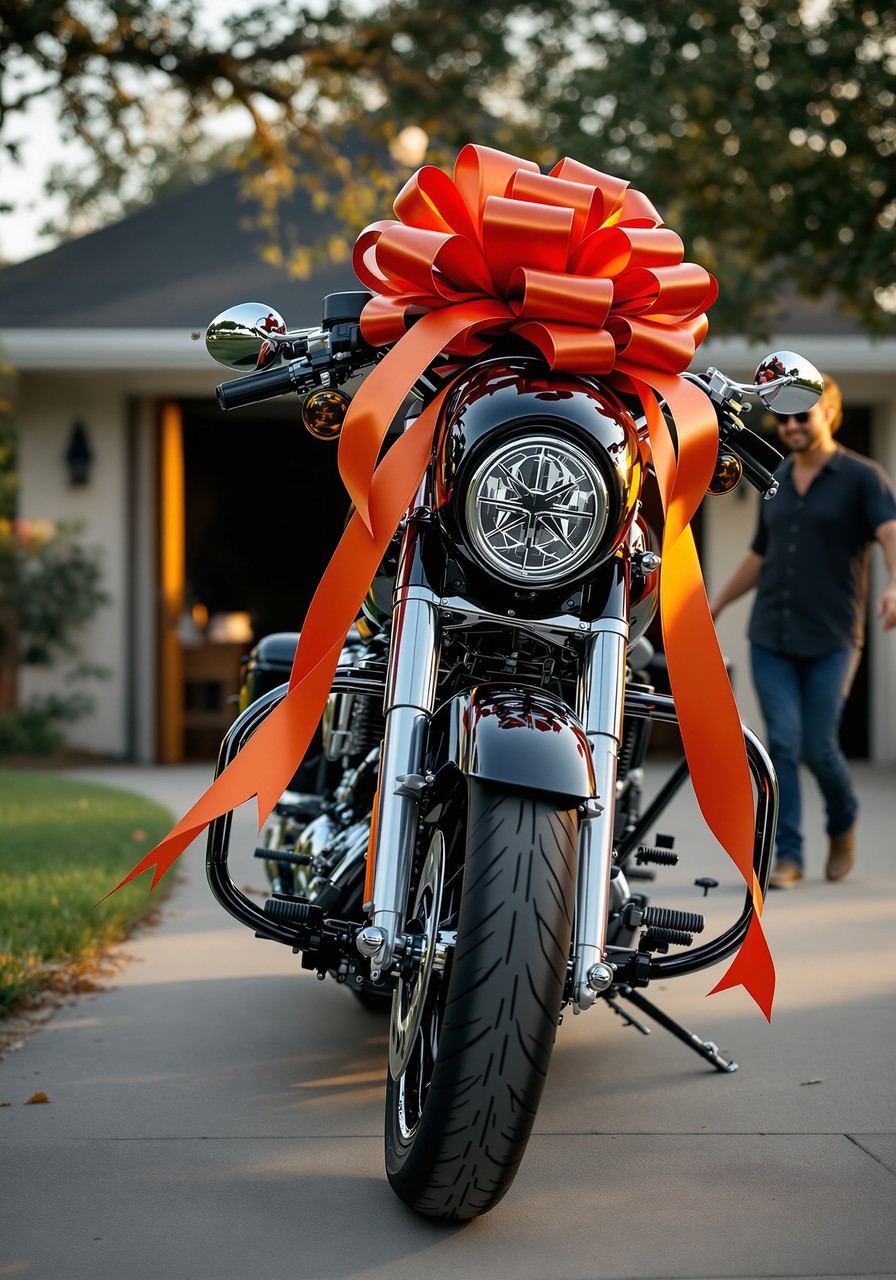
Imagine wrapping up winter with keys to a new bike and $20,000 covering it. That is what one free entry can do. Entry link in the comments. #RideNationDFW #WinABike #20kGiveaway
Local DFW & Rides
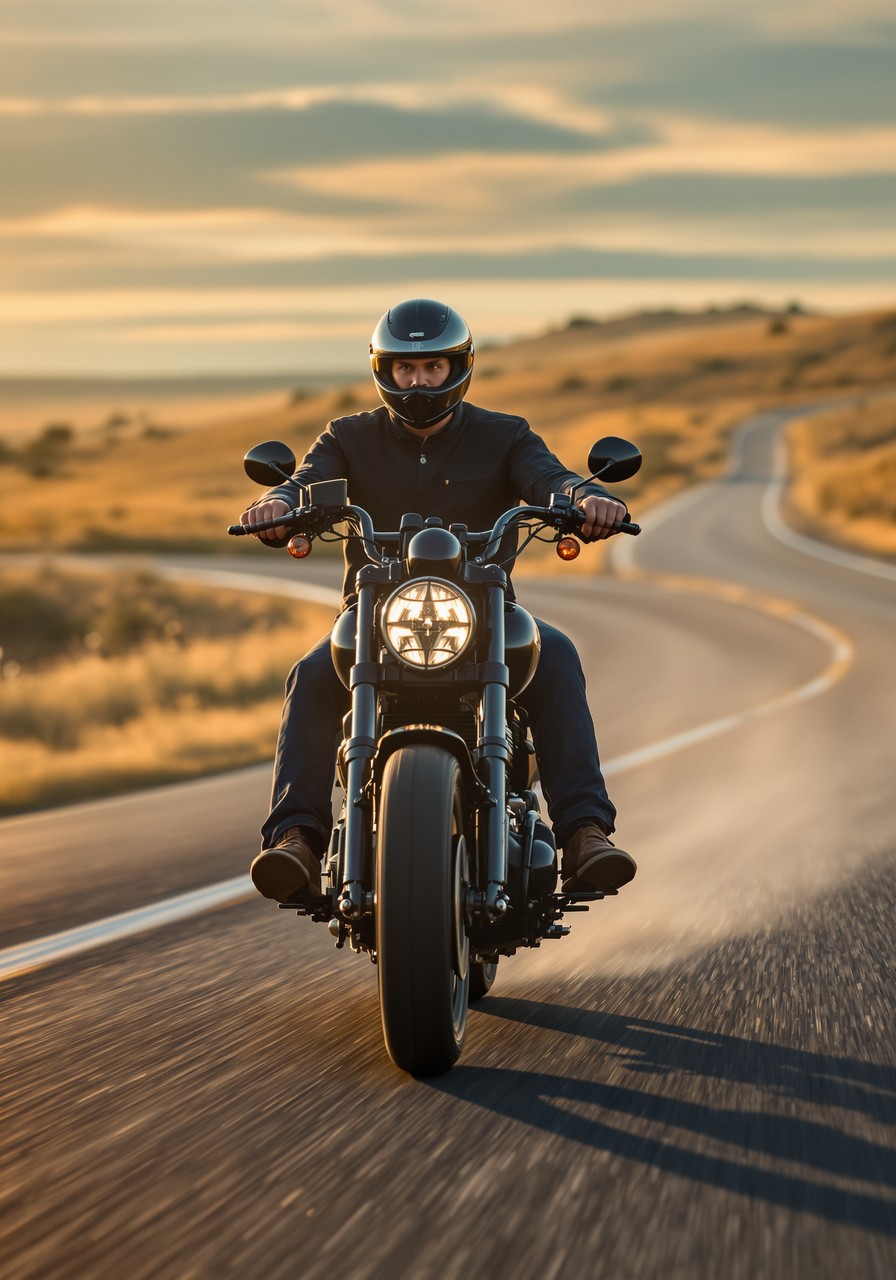
Cresson to Granbury and back is a clean loop when you only have a couple hours. FM 4 down, 377 home, coffee in the middle. #RideNationDFW #MotorcycleRoads #TexasRiding
Gear & New Iron
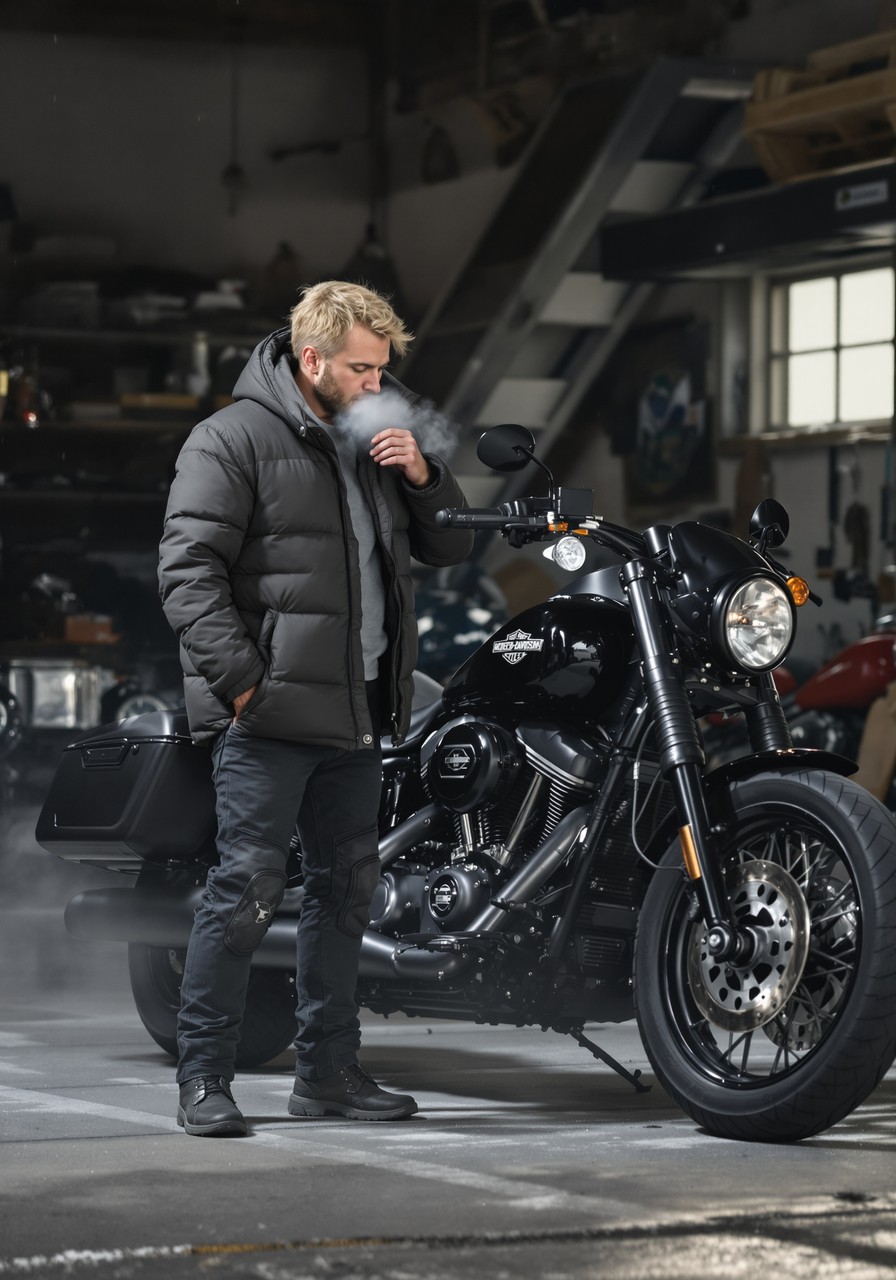
That brand new bike still needs a break in period. Vary the revs, avoid redline, and get the first service done on time. New iron earns its reliability. #RideNationDFW #NewIron #MotorcycleMaintenance
Safety & TX Law
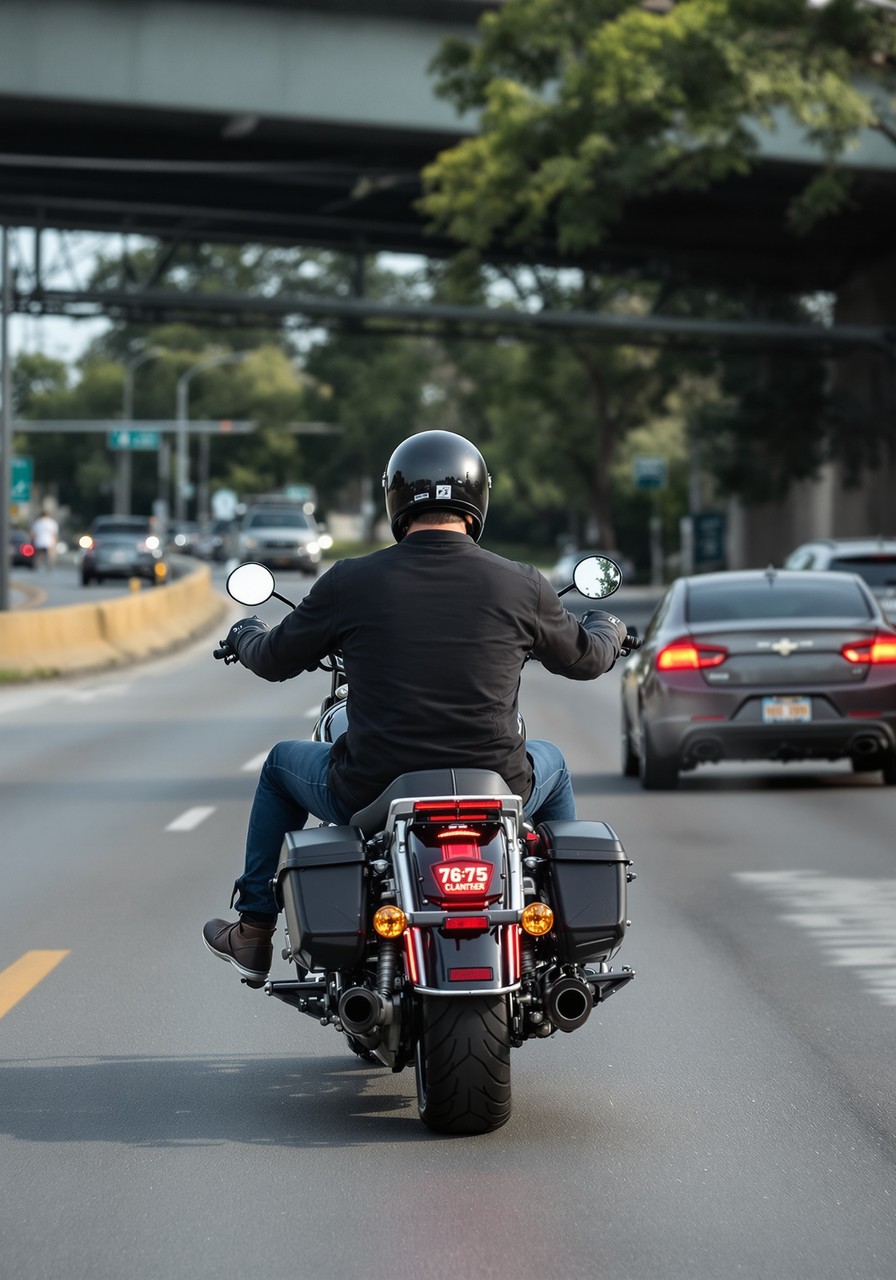
Filtering to the front at a red light feels smart, but it is not legal in Texas and it can flip the fault onto you. Hold your spot. Questions after a crash? Diaz Law Firm, no cost to talk, 214-800-2086. #RideNationDFW #TexasLaw #MotorcycleSafety
Engagement
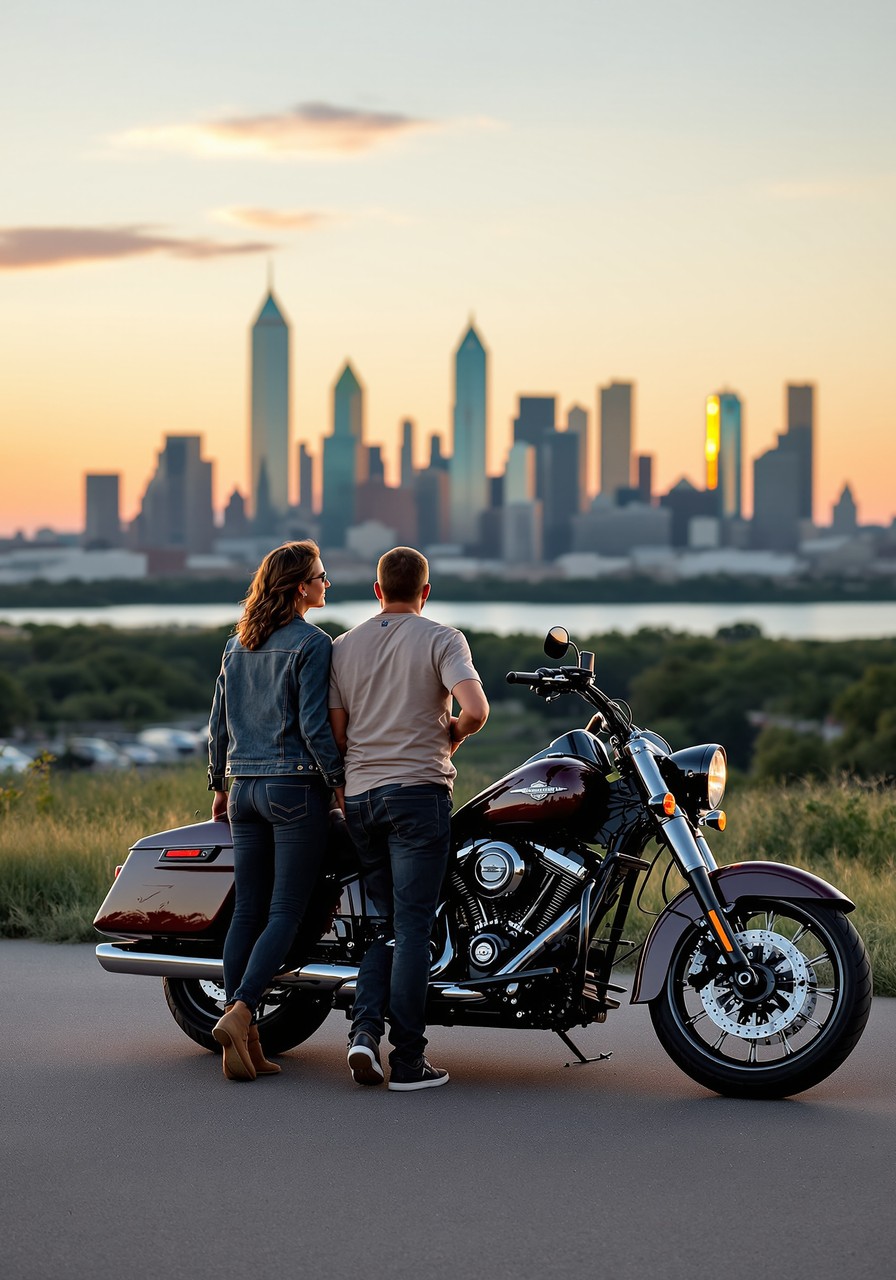
Last one. Describe this community in three words. We will screenshot the best. #RideNationDFW #DFWRiders #BikerLife
Giveaway & Countdown
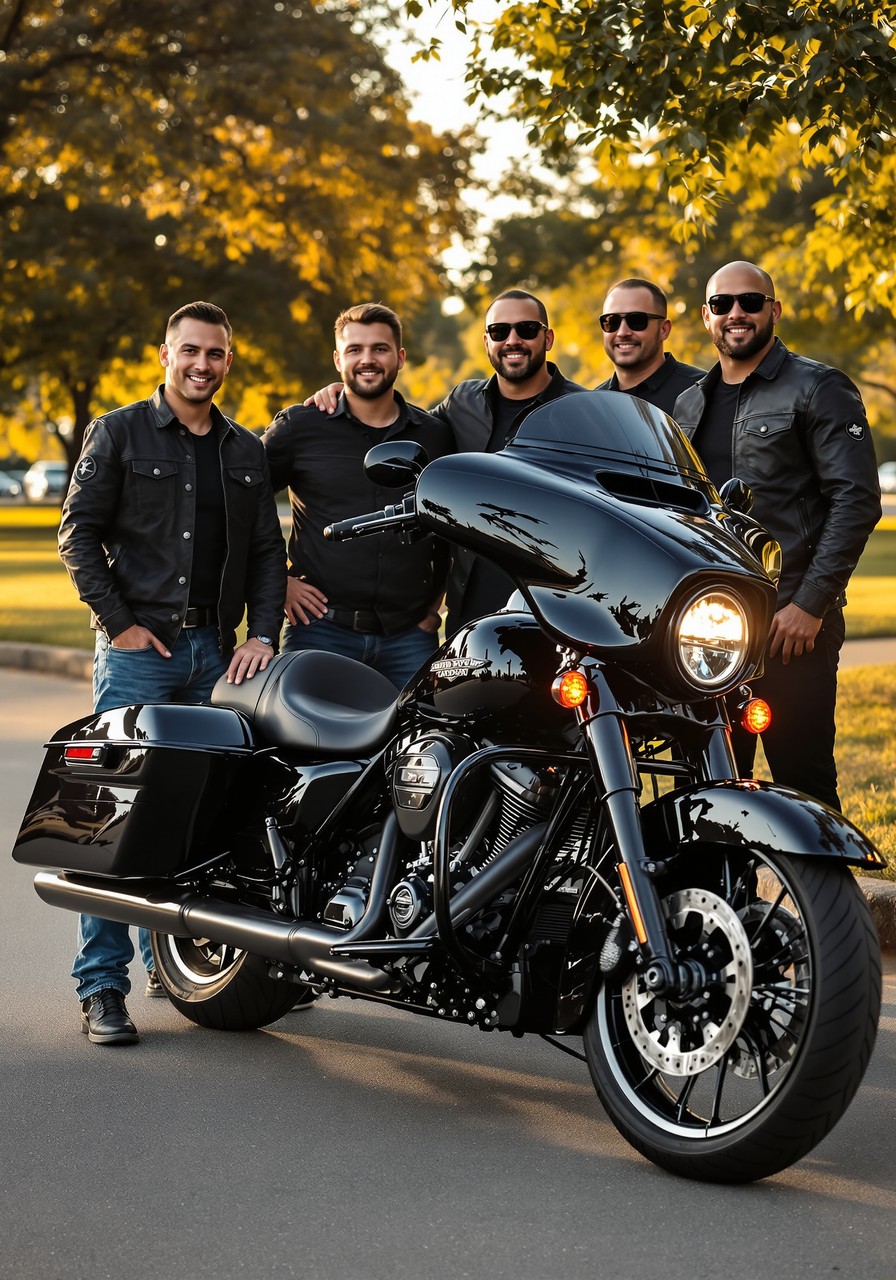
The giveaways keep rolling and so should you. Enter the current BikersWin $20,000 draw free today and keep your name in for every round. Link in comments. Diaz Law Firm, 214-800-2086. #RideNationDFW #BikersWin #DallasMotorcycles
Local DFW & Rides
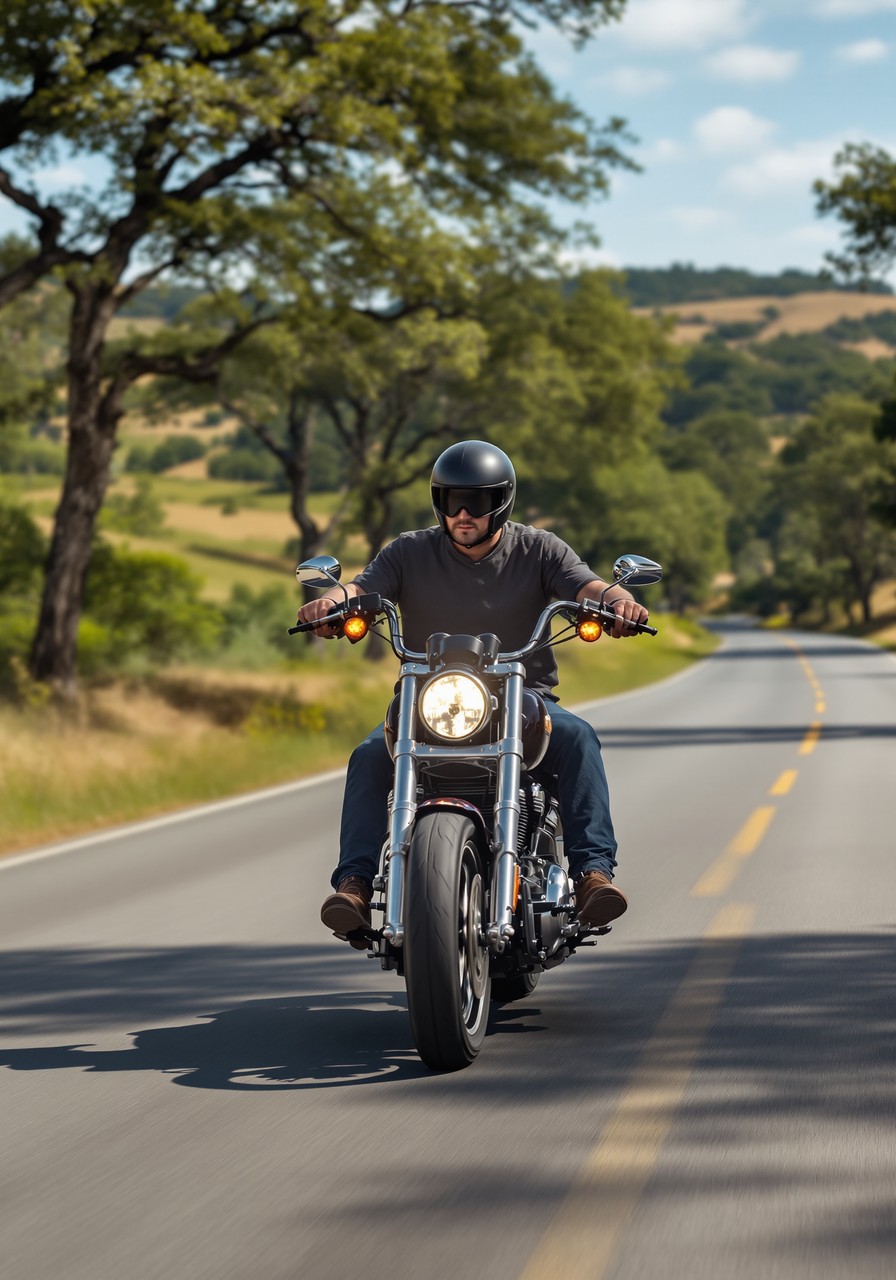
Winter afternoons are the sweet spot in North Texas. Wait for the sun to warm the pavement past noon, ride the dry farm roads, and be home before the temperature drops. #RideNationDFW #NorthTexas #TexasRiding
Gear & New Iron
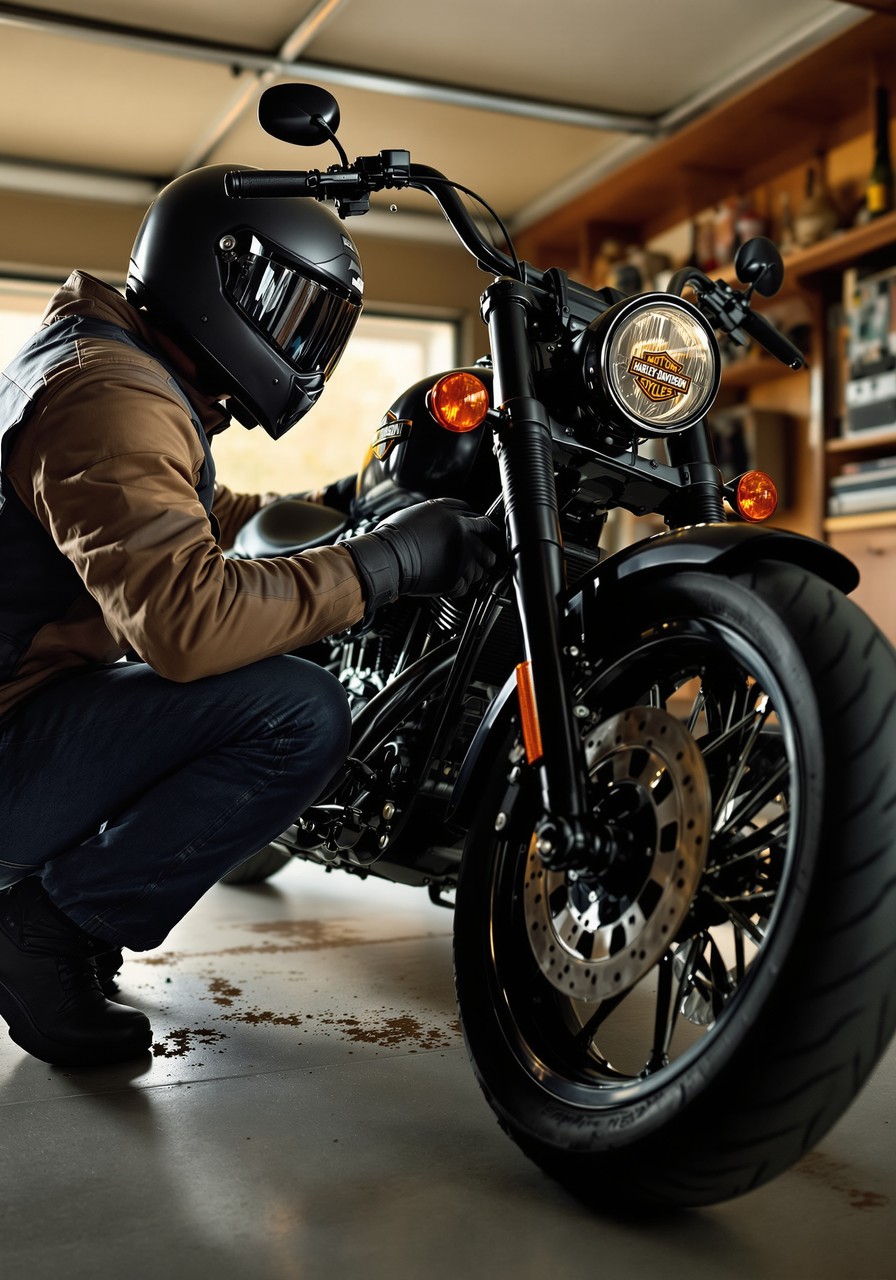
New bike, same rule. All the gear all the time. A fresh title and a shiny tank do not add one bit of padding between you and the pavement. #RideNationDFW #NewIron #ATGATT
Safety & TX Law
Check your own policy before you ever need it. Confirm the UM/UIM limits, know your deadline is two years, and ride knowing you are covered. Hurt on two wheels? Manuel Diaz and the Diaz Law Firm, 214-800-2086. #RideNationDFW #UninsuredMotorist #KnowYourRights